How Does the ICC View the Union Budget 2026-27?
Synopsis
The ICC has expressed its approval of the Union Budget 2026-27, citing a strong focus on tourism, green mobility, and the rapid development of Northeast India. This budget aims to create a sustainable and competitive future for the region.
Key Takeaways
Emphasis on Tourism: The budget prioritizes the development of tourism in the Northeastern region.
Green Mobility Initiatives: Plans for 4,000 electric buses will enhance environmentally friendly transportation.
Increased Funding: A 47 percent rise in funding for DoNER aims to strengthen infrastructure.
Buddhist Circuit Development: New schemes will promote spiritual tourism across six states.
Focus on MSMEs: Continued support for micro, small, and medium enterprises is a priority.
Guwahati, Feb 1 (NationPress) The North East India Regional Council of the Indian Chamber of Commerce (ICC) has expressed its approval of the Union Budget for 2026-27, highlighting its significant focus on promoting tourism, green mobility, and the accelerated development of the Northeastern Region.
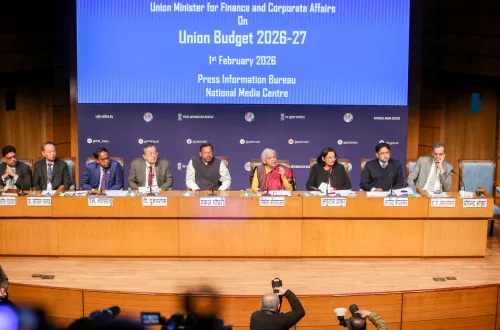
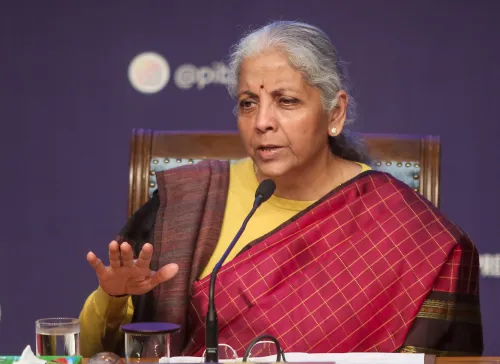
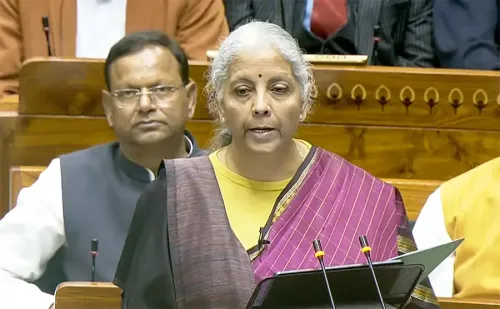
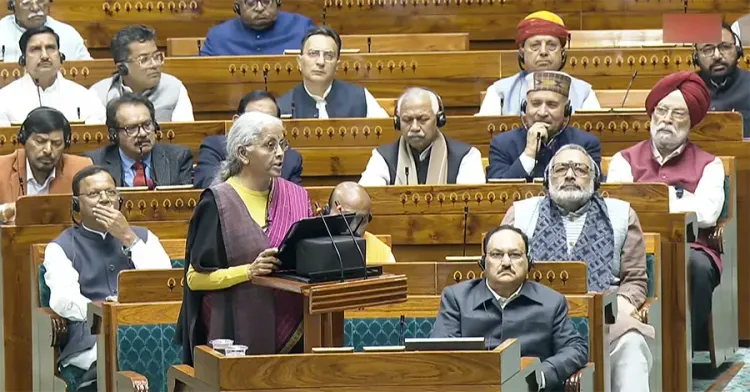
In a statement, the ICC praised the budget unveiled by Union Finance Minister Nirmala Sitharaman in Parliament, describing it as growth-oriented, inclusive, and forward-looking.
The budget is strategically designed to foster comprehensive socio-economic development across the Northeast, as noted by Ishantor Sobhapandit, Regional Director of ICC, NER.
The chamber pointed out that the Union Budget 2026-27 embraces the Ashtalakshmi development model for the Northeastern area, aiming to make it a multifaceted growth engine through targeted investments in connectivity, tourism, infrastructure, agriculture, healthcare, and industrial development.
The ICC noted that this strategy reinforces the region's significance as both a civilizational intersection and an emerging economic hub.
Mahesh Saharia, Chairman of the North East India Regional Council of ICC, remarked that the budget for FY 2026-27 lays a robust foundation for promoting socio-economic progress in the area through increased capital investments, tourism initiatives, enhanced trade and logistics, agricultural reforms, and continuous support for MSMEs.
Saharia specifically applauded the introduction of a new scheme aimed at developing Buddhist circuits across six Northeastern states: Arunachal Pradesh, Assam, Manipur, Mizoram, Sikkim, and Tripura. This initiative seeks to establish the region as a key spiritual and cultural tourism hub by conserving monasteries and heritage sites, creating pilgrimage interpretation centers, improving pilgrim facilities, and enhancing accessibility infrastructure.
He mentioned that this scheme would facilitate year-round tourism while safeguarding the region’s rich Buddhist heritage. Additionally, he commended the proposed high-speed rail link between Siliguri and Varanasi and the plan to deploy 4,000 electric buses throughout the Northeastern region, asserting that these efforts would significantly bolster public transportation, enhance last-mile connectivity, and support environmentally friendly mobility.
Moreover, Saharia emphasized that the dual focus on heritage-driven tourism and green infrastructure reflects a well-balanced and future-ready development approach.
Noting the government’s commitment to regional growth, Saharia welcomed the 47 percent increase in allocations for the Ministry of Development of North Eastern Region (DoNER), raising the total budget to Rs 5,915 crore. He stated that this augmented funding would be pivotal in fortifying infrastructure, social advancement, and economic capability across the region.
He further appreciated the attention given to industrial and rural development under the Purvodaya initiative, which includes targeted interventions and special packages for Autonomous Councils, in addition to supporting agricultural initiatives and rural value chains.
According to him, these actions would deepen local economic engagement and promote inclusive growth in both urban and rural sectors.
The ongoing emphasis on enhancing physical and logistical connectivity within the Northeast and to other parts of the country was also welcomed, as it would facilitate smoother movement of people and goods, improve market access, and bolster integration with national and global supply chains.
Meanwhile, Sarat Kumar Jain, Chairman of ICC's Assam and Meghalaya state committee, described the Union Budget 2026-27 as a decisive move towards reinforcing India’s economic resilience while ensuring balanced regional development.
He highlighted that the budget’s focus on tourism, infrastructure, healthcare, education, skill development, exports, and technology-driven growth is particularly crucial for the Northeastern Region.
Jain remarked that the concentrated efforts on spiritual tourism, green mobility, and connectivity would establish the Northeast as a sustainable and competitive destination, while investments in education, skill enhancement, and innovation would empower the region’s youth to engage meaningfully in emerging sectors.
He also welcomed the decision to upgrade national mental health institutes in Tezpur and Ranchi into regional apex centers, asserting that strengthening healthcare infrastructure in the Northeast will effectively address emerging public health challenges and improve access to specialized services.
Reaffirming its commitment, the ICC stated it would collaborate closely with the Government of India, state authorities, and industry stakeholders to facilitate the effective implementation of the budget initiatives.
The chamber expressed strong optimism that the Union Budget 2026-27, with its emphasis on infrastructure, tourism, green mobility, manufacturing, agriculture, MSMEs, healthcare, education, exports, and connectivity, will foster inclusive and sustainable growth throughout the Northeastern region.
Point of View
Focusing on sustainable development in tourism and infrastructure. Such initiatives not only enhance economic prospects but also preserve the region's cultural heritage. The ICC's response indicates a positive outlook, but successful implementation will be key to realizing these ambitions.
NationPress
17 Oct 2026
Frequently Asked Questions
What are the key features of the Union Budget 2026-27?
The Union Budget 2026-27 emphasizes growth in tourism, green mobility, infrastructure, and support for MSMEs, aiming for comprehensive development in Northeast India.
How will the budget impact tourism in Northeast India?
The budget introduces schemes for the development of Buddhist circuits, enhancing cultural tourism and infrastructure to attract more visitors.
What is the Ashtalakshmi model mentioned in the budget?
The Ashtalakshmi model focuses on multidimensional growth through targeted investments in various sectors including connectivity and healthcare.
What is the significance of the 47 percent increase in DoNER funding?
The increase in funding for DoNER will strengthen infrastructure and social development, boosting economic capacity across the Northeast.
How does the ICC plan to support the budget initiatives?
The ICC intends to collaborate with the Government of India and state authorities to ensure effective implementation of the budget initiatives.