Does India Advocate for Free and Fair Elections in Bangladesh Following Tarique Rahman's Return?
Synopsis
India reiterates its commitment to supporting free and fair elections in Bangladesh, viewing Tarique Rahman's return as pivotal for the nation's democracy. Amidst rising tensions and a political crisis, this development could shape the upcoming elections significantly.
Key Takeaways
India supports free and fair elections in Bangladesh.
Tarique Rahman returns after 17 years of exile.
The 13th national parliamentary election is set for February 12.
The political climate in Bangladesh is currently tense.
India emphasizes its commitment to strong ties with Bangladesh.
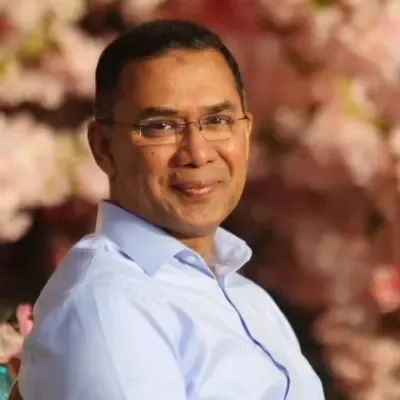
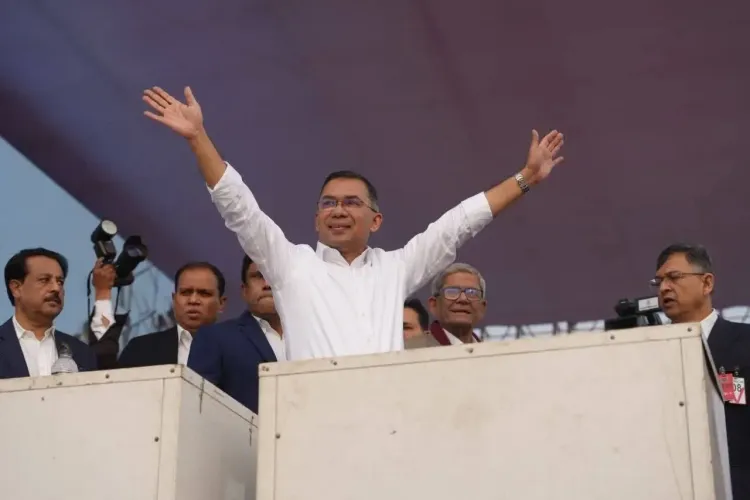
New Delhi, Dec 26 (NationPress) Emphasizing its commitment to free, fair, and inclusive elections in Bangladesh, India expressed on Friday that the return of Tarique Rahman, the acting chairman of the Bangladesh Nationalist Party (BNP), should be understood within the broader framework of democracy in the nation.
Ministry of External Affairs (MEA) spokesperson Randhir Jaiswal stated during a weekly press briefing in New Delhi, "We advocate for free, fair, and inclusive elections in Bangladesh, and Rahman's return from London must be seen in that light."
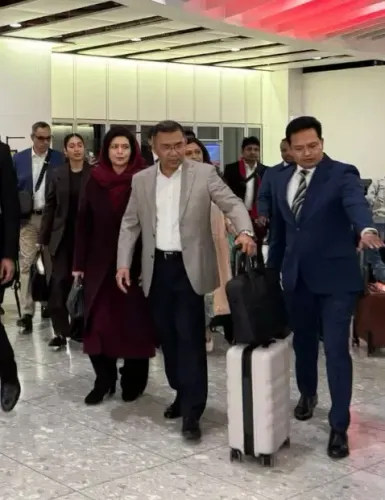
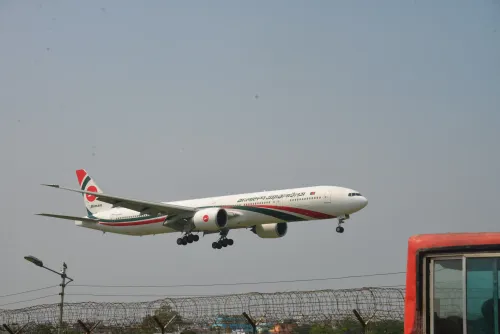
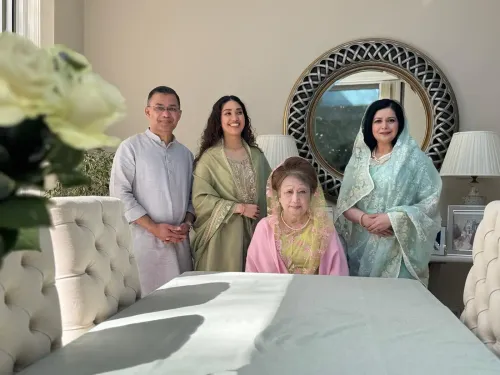
In the midst of a significant political crisis, Rahman arrived in Bangladesh on Thursday after 17 years of voluntary exile. He landed at Hazrat Shahjalal International Airport in Dhaka on a Biman Bangladesh Airlines flight, accompanied by his wife Zubaida Rahman and daughter Zaima Rahman.
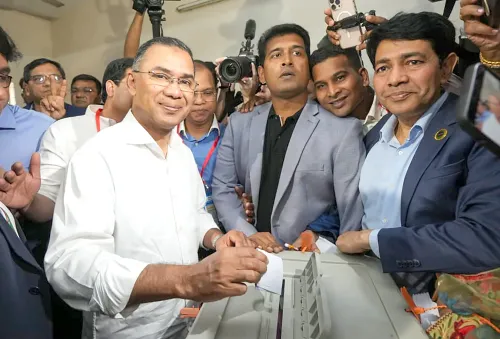
Rahman's comeback coincides with the announcement by the Bangladesh Election Commission regarding the upcoming 13th national parliamentary election and a referendum on the July Charter, set for February 12 next year.
Analysts suggest that Rahman's involvement in the February 2026 elections will be a litmus test amid the ongoing turbulence under the interim government led by Muhammad Yunus, which is facing increasing demands for a credible and fair election.
However, critics caution that Rahman's re-entry into Bangladesh's already unstable political environment could escalate tensions nationwide.
Meanwhile, the MEA reiterated India's dedication to fostering close and amicable ties with the people of Bangladesh, a bond rooted in the 1971 Bangladesh Liberation War and bolstered through numerous development and interpersonal initiatives.
"Our position concerning Bangladesh has consistently been clear. India seeks to fortify relations with the Bangladeshi populace, promoting peace and stability. We also firmly advocate for free, fair, inclusive, and participatory elections to occur in a peaceful setting," Jaiswal remarked.
In response to inquiries about New Delhi's financial support to Dhaka, the MEA acknowledged that while circumstances have evolved, India remains committed to peace and stability in Bangladesh, aiming to uphold strong connections with its people.
Bangladesh has experienced a notable rise in violence in recent months under the Yunus-led interim government, with attacks increasingly targeting Hindu minorities across the nation.
The MEA confirmed that India is closely monitoring the changing circumstances in Bangladesh and has expressed significant concerns to Bangladeshi authorities regarding the assaults on minorities, particularly Hindus.
Point of View
It's essential to recognize the significance of India’s stance on Bangladesh's political landscape. The return of Tarique Rahman amidst rising tensions underscores the complex dynamics at play. Maintaining peace and supporting democratic processes are crucial, and India’s role as a neighbor and ally is vital for regional stability.
NationPress
26 Sept 2026
Frequently Asked Questions
What is India's position on elections in Bangladesh?
India advocates for free, fair, and inclusive elections in Bangladesh, emphasizing the importance of a peaceful electoral process.
Why is Tarique Rahman's return significant?
Rahman's return after 17 years of exile is viewed as pivotal for the political climate in Bangladesh, especially with upcoming elections.
What concerns does India have regarding Bangladesh’s political situation?
India is concerned about the rising violence and attacks on minorities in Bangladesh and is closely monitoring the situation.
How long has Tarique Rahman been in exile?
Tarique Rahman has been in self-imposed exile for 17 years before returning to Bangladesh.
What upcoming events are relevant to Bangladesh's political landscape?
The 13th national parliamentary election and a referendum on the July Charter are scheduled for February 12 next year.