India backs Rohingya return to Myanmar after ICJ genocide ruling
Synopsis
The ICJ has found Myanmar guilty of genocide against the Rohingya — and India's immediate response is a careful diplomatic reaffirmation of its humanitarian role, stopping short of direct condemnation of Naypyidaw. With repatriation still a distant prospect amid post-coup chaos in Myanmar, the verdict raises hard questions about enforcement and India's balancing act in its eastern neighbourhood.
Key Takeaways
India reiterated support for the safe, speedy, and sustainable return of Rohingya refugees to Myanmar's Rakhine State on 20 November 2026 .
The ICJ ruled on 19 November 2026 that Myanmar committed genocide against the Rohingya during 2017 clearance operations , violating the Genocide Convention .
MEA spokesperson Randhir Jaiswal cited India's Operation Insaniyat — humanitarian aid in five tranches to Rohingya camps in Bangladesh — as evidence of India's sustained engagement.
The case was filed on 11 November 2019 by The Gambia on behalf of 57 OIC member states .
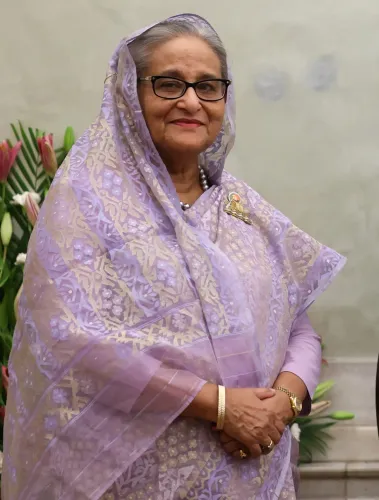
Former Bangladesh PM Sheikh Hasina welcomed the verdict and urged all UN member states to uphold the ICJ's judgment.
India on Friday, 20 November 2026 reiterated its support for the safe, speedy, and sustainable return of displaced Rohingya people to Myanmar's Rakhine State, following the landmark International Court of Justice (ICJ) verdict that found Myanmar responsible for committing genocide against the community. The statement came from Ministry of External Affairs (MEA) spokesperson Randhir Jaiswal during a bi-weekly media briefing in New Delhi.
India's Position on the ICJ Verdict
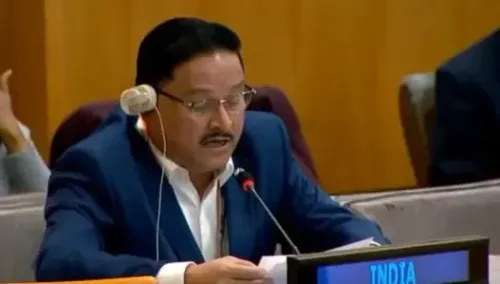
Responding to a question on the ruling, Jaiswal said India has 'taken note' of the judgment while underlining its longstanding diplomatic stance on the crisis. 'We have taken note of the verdict. India has consistently supported safe, speedy, and sustainable return of the displaced Rohingya people from the Rakhine State,' he said.
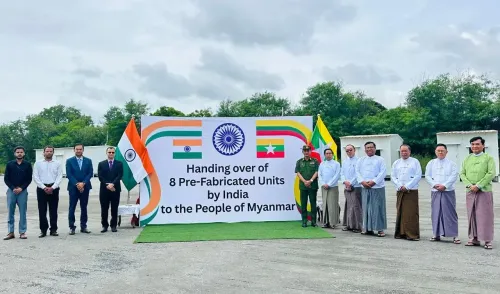
He further highlighted India's humanitarian track record under Operation Insaniyat, which was launched in 2017 to provide relief supplies to Rohingya refugee camps in Bangladesh across five tranches. India has also extended support to the Rakhine State Development Programme in Myanmar aimed at enabling eventual repatriation.
What the ICJ Ruling Found
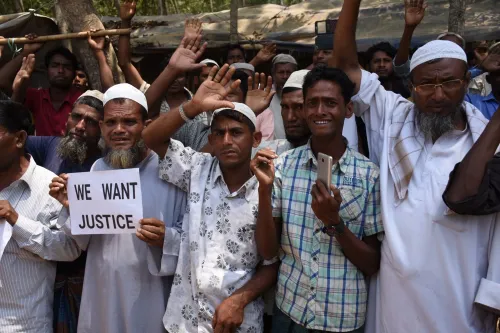
On Thursday, 19 November 2026, the ICJ delivered its long-awaited judgment in the case 'The Gambia vs Myanmar: 11 States intervening', ruling that Myanmar was responsible for committing genocide against the Rohingya community in northern Rakhine State during the 2017 'clearance operations'. The court found that Myanmar had violated its obligations under the Convention on the Prevention and Punishment of the Crime of Genocide.
The case was originally filed on 11 November 2019 by The Gambia, acting on behalf of the 57 members of the Organisation of Islamic Cooperation (OIC), alleging that Myanmar had failed to prevent and punish acts of genocide in Rakhine State.
Sheikh Hasina Welcomes the Ruling
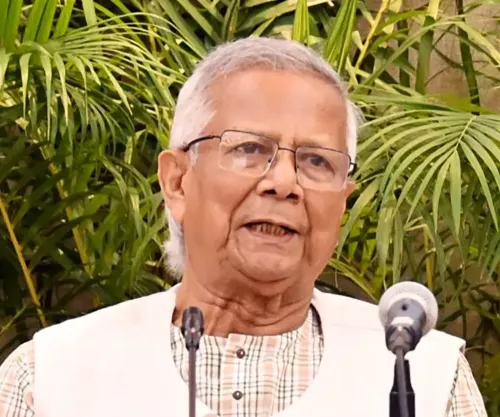
Former Bangladesh Prime Minister Sheikh Hasina welcomed the verdict and called on all UN member states to uphold the judgment. 'I am pleased that the ICJ has today issued its Judgement in The Gambia v Myanmar case, finding Myanmar responsible for genocide against the Rohingya minority. This is an important step forward for international justice and the return of the Rohingya to their homes in Rakhine State. I call upon all UN Member States to uphold this Judgment and ensure that it is respected by Myanmar,' read a statement issued by the former Prime Minister.
Hasina described the ruling as a critical milestone in the pursuit of international accountability and the eventual repatriation of the Rohingya people.
Background and Regional Stakes
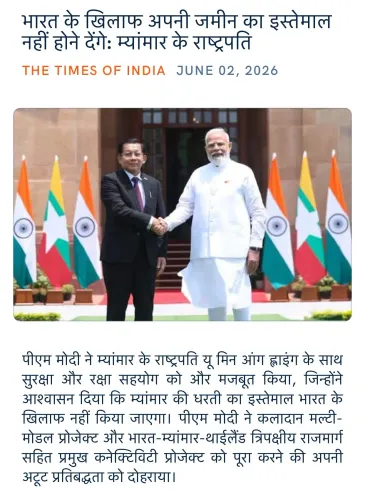
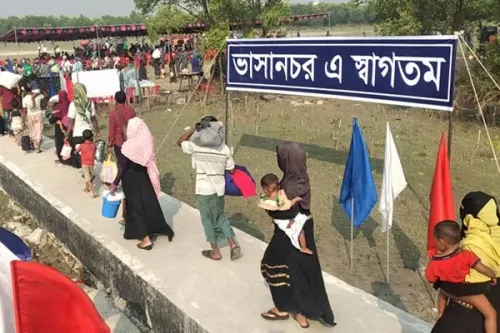
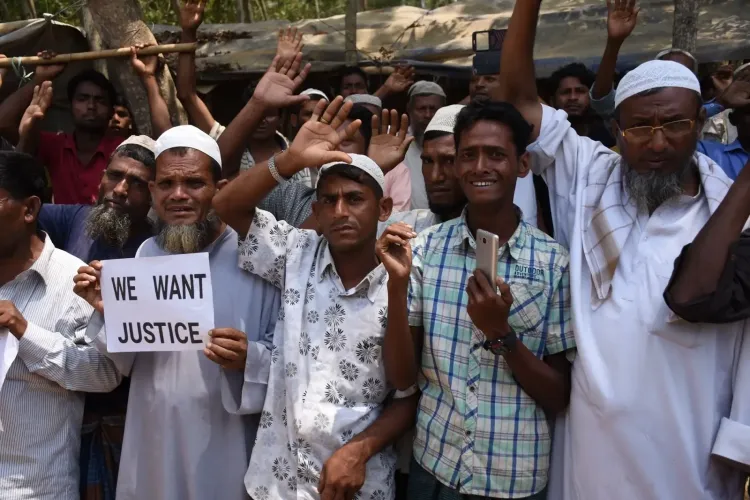
The 2017 military crackdown in Rakhine State triggered one of Asia's worst refugee crises, displacing over 700,000 Rohingya into Bangladesh. India, which shares borders with both Myanmar and Bangladesh, has historically walked a careful diplomatic line — engaging Naypyidaw on connectivity and security while extending humanitarian support to displaced populations. This comes amid ongoing instability in Myanmar following the 2021 military coup, which has further complicated prospects for a safe and voluntary repatriation of refugees. The ICJ verdict significantly raises the international legal and political pressure on Myanmar's military establishment.
Point of View
With whom New Delhi maintains strategic ties on connectivity and border security. The ICJ verdict is legally significant but practically constrained: Myanmar's post-coup military junta has shown little willingness to comply with international judicial orders, and repatriation remains stalled. India's dual exposure — a restive neighbour in Myanmar and a strained Bangladesh relationship — makes a bolder posture politically costly. The real question the mainstream coverage glosses over is whether 'taking note' and aid tranches are sufficient when the court has used the word genocide.
NationPress
20 Nov 2026
Frequently Asked Questions
What did the ICJ rule in the Gambia vs Myanmar case?
The ICJ found Myanmar responsible for committing genocide against the Rohingya community in northern Rakhine State during the 2017 'clearance operations', ruling that Myanmar violated its obligations under the Convention on the Prevention and Punishment of the Crime of Genocide. The case was filed by The Gambia on behalf of 57 OIC member states in November 2019.
What is India's position on the Rohingya crisis after the ICJ verdict?
India said it has 'taken note' of the ICJ verdict and reiterated its longstanding support for the safe, speedy, and sustainable return of displaced Rohingya to Myanmar's Rakhine State. MEA spokesperson Randhir Jaiswal highlighted India's Operation Insaniyat and its backing for the Rakhine State Development Programme as evidence of its humanitarian engagement.
What is Operation Insaniyat?
Operation Insaniyat is a humanitarian initiative launched by India in 2017 to provide relief supplies to Rohingya refugee camps in Bangladesh following the mass displacement triggered by Myanmar's military operations in Rakhine State. India delivered aid in five tranches under the operation.
What did former Bangladesh PM Sheikh Hasina say about the ICJ ruling?
Sheikh Hasina welcomed the ICJ verdict and called on all UN member states to uphold the judgment, describing it as 'an important step forward for international justice and the return of the Rohingya to their homes in Rakhine State.'
Will the ICJ verdict lead to Rohingya repatriation?
The verdict establishes legal responsibility but does not automatically trigger repatriation. Myanmar's military, which has governed the country since the 2021 coup, has previously resisted international pressure on the Rohingya issue. India and other regional actors continue to call for a voluntary and sustainable return, but the timeline remains deeply uncertain.