Kuno cheetah cubs: India-born female delivers 4, population hits 56
Synopsis
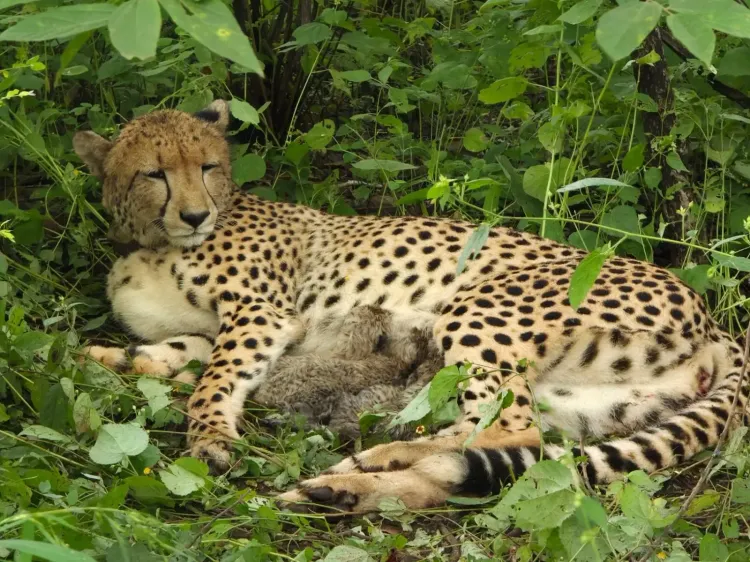
A day after Project Cheetah turned four, an India-born female cheetah at Kuno National Park delivered four cubs — the clearest sign yet that the species can reproduce across generations on Indian soil. With the population now at 56 and a second habitat opening at Gandhi Sagar, the programme is crossing the threshold from reintroduction to self-sustaining conservation.
Key Takeaways
India-born cheetah KGP12 gave birth to four cubs at Kuno National Park , raising India’s total cheetah count to 56 .
The births occurred on 19 September 2026 , one day after Project Cheetah's fourth anniversary on 17 September.
Before this litter, 32 cheetahs had been born in India since the programme began in 2022 .
Kuno hosts 49 cheetahs ; three more are at Gandhi Sagar Wildlife Sanctuary , Madhya Pradesh's emerging second cheetah habitat.
Union Minister Bhupender Yadav called the development a “truly historic and joyous moment” for Indian conservation.
Project Cheetah launched on 17 September 2022 with eight Namibian cheetahs ; translocations from South Africa and Botswana followed.
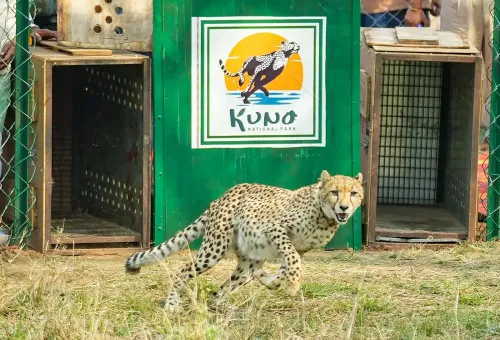
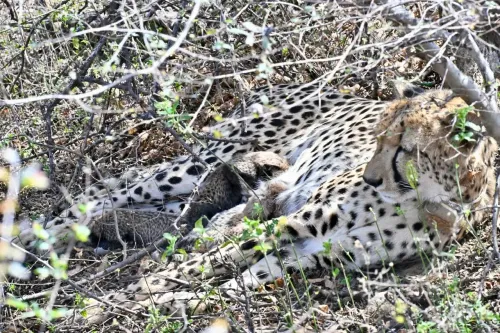
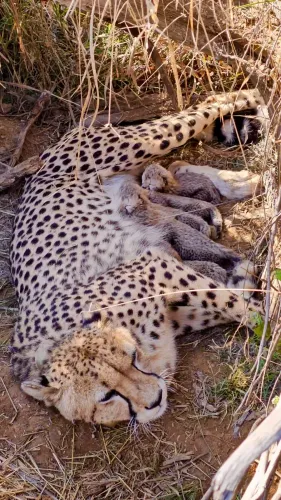
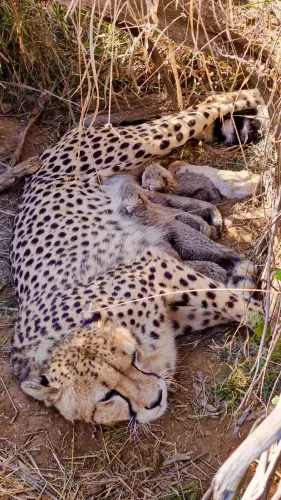
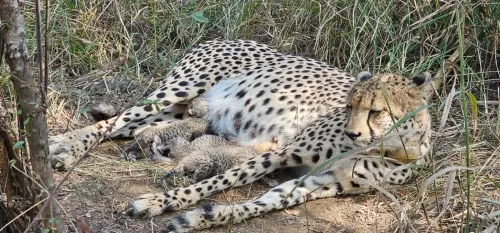
An India-born female cheetah designated KGP12 gave birth to four cubs at Kuno National Park in Madhya Pradesh's Sheopur district on 19 September 2026, pushing India's total cheetah count from 52 to 56 and marking a generational milestone for the country's wildlife revival effort. The births arrived just a day after Project Cheetah completed four years, adding symbolic weight to the development.
A Milestone Birth for Project Cheetah
KGP12 is herself India-born, making her litter the clearest evidence yet that the reintroduced cheetah population is capable of sustaining itself across generations on Indian soil. Her four cubs represent a natural progression from reintroduction to genuine population establishment — the programme's central long-term objective.
Before this litter, 32 cheetahs had been born in India since the programme's inception, underscoring the gradual but measurable success of captive management and in-situ breeding strategies deployed at Kuno.
What the Government Said
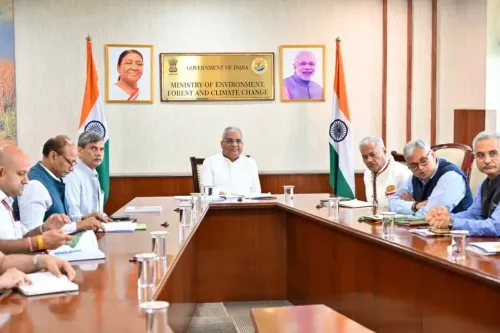
Union Environment, Forest and Climate Change Minister Bhupender Yadav announced the births and congratulated the teams involved. “Four years, four new lives — a beautiful symbol of hope, resilience and the growing success of cheetah conservation in India,” Yadav said in a post on X. He described the development as a “truly historic and joyous moment” for India’s conservation efforts and credited the collective contributions of central and state governments, wildlife experts, veterinarians, forest officials, and field staff.
Where India's Cheetahs Are Now
Kuno National Park remains the primary cheetah habitat, currently home to 49 animals. An additional three cheetahs are housed at Gandhi Sagar Wildlife Sanctuary, also in Madhya Pradesh, which is steadily emerging as the second major cheetah habitat in the state. The expansion to Gandhi Sagar reflects the programme's broader ambition to distribute the population beyond a single site, reducing concentration risk.
The Road Here: Challenges and Course Corrections
Project Cheetah was launched on 17 September 2022, when eight cheetahs were brought from Namibia and released into Kuno — marking the return of a species declared extinct in India seven decades earlier. The initiative was subsequently expanded with translocations from South Africa and Botswana.
The journey has not been without setbacks. Several translocated and India-born cheetahs have died, prompting authorities to intensify monitoring, increase veterinary intervention, and revise management protocols. Those corrections appear to be bearing fruit: the programme's focus has demonstrably shifted from simply adding animals to ensuring survival, breeding, and long-term viability.
What Comes Next
As Project Cheetah enters its fifth year, conservationists and officials are watching whether the India-born generation can sustain breeding rates sufficient to grow the population without continued imports. With Gandhi Sagar absorbing part of the population and the latest litter at Kuno, the programme is arguably transitioning from a reintroduction exercise into a self-sustaining conservation model — though experts caution that a population of 56 remains critically small by ecological standards.
Point of View
Concentrated almost entirely in one park, remains dangerously thin; a disease outbreak or a bad monsoon season could still set the programme back years. The real test in Year Five is whether Gandhi Sagar can be brought up to carrying capacity quickly enough to give the population a genuine buffer. The programme's credibility now rests less on headline birth numbers and more on the survival rate of this new generation through their first two years.
NationPress
18 Sept 2026
Frequently Asked Questions
How many cheetahs are now in India after the latest births?
India's cheetah population has risen to 56 following the birth of four cubs at Kuno National Park. Of these, 49 are at Kuno and three are at Gandhi Sagar Wildlife Sanctuary in Madhya Pradesh.
Who is KGP12 and why are her cubs significant?
KGP12 is an India-born female cheetah at Kuno National Park who successfully adapted to Indian conditions after the reintroduction programme began. Her cubs are significant because they represent a second India-born generation, demonstrating that cheetahs can now reproduce naturally across generations on Indian soil.
When was Project Cheetah launched and how did it begin?
Project Cheetah was launched on 17 September 2022, when eight cheetahs were brought from Namibia and released at Kuno National Park — ending a seven-decade absence of the species in India. The programme was later expanded with translocations from South Africa and Botswana.
How many cheetahs have been born in India since the programme started?
Before the latest litter, 32 cheetahs had been born in India since Project Cheetah's inception. The four new cubs bring the India-born cohort's contribution to the programme into even sharper focus.
What are the next steps for Project Cheetah as it enters its fifth year?
The programme is focused on expanding the population beyond Kuno, with Gandhi Sagar Wildlife Sanctuary in Madhya Pradesh already functioning as a second habitat. Authorities are also intensifying monitoring and veterinary oversight to improve survival rates, following the deaths of several cheetahs in earlier phases.