India limits bulk petrol, diesel sales at retail pumps for 90 days
Synopsis
India has capped bulk diesel purchases at 200 litres per customer per day at retail pumps and barred resale of retail-bought fuel — a 90-day directive aimed at curbing diversion as domestic prices rise roughly 5% since mid-May. The move signals tighter fuel supply management as the Strait of Hormuz crisis squeezes global crude markets.
Key Takeaways
India has restricted bulk fuel sales at retail outlets for up to 90 days via an official government notification dated 12 June .
Retail dealers cannot sell more than 200 litres of high-speed diesel (HSD) to any single customer or vehicle per day.
Resale of diesel purchased from retail fuel stations has been explicitly banned .
Institutional and commercial buyers must now source fuel through dedicated consumer or captive pumps .
Petrol prices in Delhi are up ₹4.75/litre (~5%) and diesel up ₹4.82/litre (~5.49%) since 15 May .
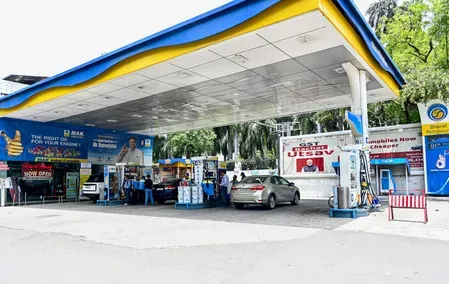
BPCL , HPCL , and IOC face increased scrutiny of retail distribution under the new rules.
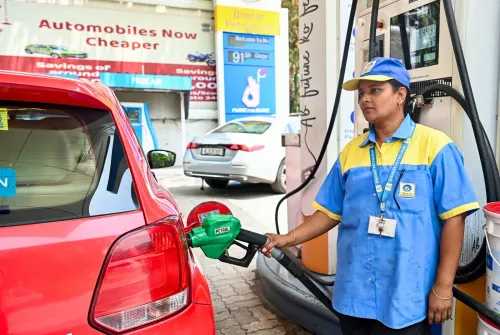
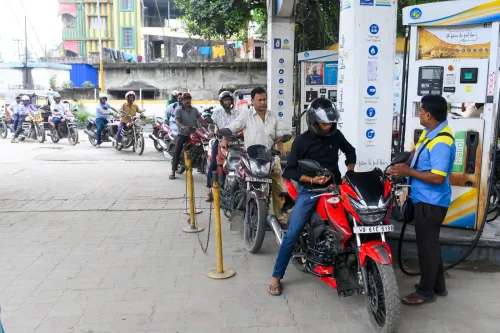
India has imposed restrictions on bulk purchases of motor spirit (petrol) and high-speed diesel (HSD) at retail fuel outlets, directing large institutional and commercial users to procure fuel through their dedicated consumer or captive pumps, according to an official government notification issued on 12 June. The directive will remain in force for an initial period of up to 90 days unless withdrawn or modified by a separate order.
Key Restrictions Under the New Order
Retail outlet dealers have been instructed not to sell more than 200 litres of high-speed diesel to any single customer or vehicle in a day. The order also explicitly bars the resale of diesel purchased from retail fuel stations, tightening oversight on bulk fuel movement across the supply chain.
The government stated the move is intended to ensure that fuel sold at retail pumps is primarily used by individual consumers. Large institutional and commercial buyers are now required to procure their requirements through authorised channels, effectively closing a loophole that reportedly allowed subsidised or retail-priced fuel to be diverted.
Impact on Oil Marketing Companies
The restriction is expected to affect bulk fuel buyers and could alter demand patterns for oil marketing companies, including Bharat Petroleum Corporation Ltd (BPCL), Hindustan Petroleum Corporation Ltd (HPCL), and Indian Oil Corporation Ltd (IOC), which may face increased scrutiny of their retail fuel distribution networks. Shares of these oil marketing companies are likely to remain in focus following the development.
Rising Fuel Prices and Global Pressure
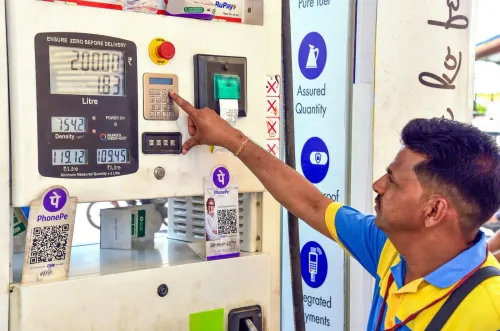
The directive comes amid sustained upward pressure on domestic fuel prices. Petrol prices in Delhi have risen by ₹4.75 per litre (approximately 5%) since 15 May, while diesel prices have climbed by ₹4.82 per litre (about 5.49%), reflecting the knock-on effect of global crude oil trends.
These increases follow disruptions to global shipping routes stemming from an ongoing conflict in the Middle East, which has tightened supplies through the Strait of Hormuz — a critical chokepoint handling nearly one-fifth of global oil trade. The disruption has pushed crude prices higher in international markets.
India's Position Among Major Economies
According to government officials, India remained the only major economy to hold domestic fuel prices steady for the first 76 days of the Hormuz disruption before initiating price adjustments — a period during which most other economies had already passed on rising costs to consumers. This context frames the new bulk-sale restriction as part of a broader fuel management strategy under heightened global energy market volatility.
With the 90-day window now in effect, the Centre's next move on fuel pricing and supply management will be closely watched by industry, consumers, and investors alike.
Point of View
Meaning the government is simultaneously raising prices and tightening distribution, a combination that will squeeze small commercial operators the hardest. The 200-litre daily cap is a blunt instrument; without a parallel digital tracking mechanism for captive pumps, diversion could simply migrate upstream. The real test is whether BPCL, HPCL, and IOC have the enforcement infrastructure to make this stick beyond the headline order.
NationPress
20 Sept 2026
Frequently Asked Questions
What is India's new restriction on petrol and diesel sales at retail outlets?
India has capped the sale of high-speed diesel at 200 litres per customer or vehicle per day at retail fuel outlets and banned the resale of diesel bought from retail stations. The directive, issued on 12 June, is in force for up to 90 days and requires institutional and commercial buyers to use dedicated captive pumps instead.
Why has the government imposed this 90-day fuel restriction?
The restriction is aimed at curbing the diversion of retail-priced or subsidised fuel into commercial and institutional channels. It comes amid rising domestic fuel prices and heightened global energy market volatility linked to supply disruptions through the Strait of Hormuz.
How much have petrol and diesel prices risen in India recently?
Petrol prices in Delhi have increased by ₹4.75 per litre (approximately 5%) since 15 May, while diesel prices have risen by ₹4.82 per litre (about 5.49%) over the same period, driven by higher global crude oil costs.
Which companies are affected by the new fuel sale rules?
Oil marketing companies — Bharat Petroleum Corporation Ltd (BPCL), Hindustan Petroleum Corporation Ltd (HPCL), and Indian Oil Corporation Ltd (IOC) — will face increased scrutiny of their retail fuel distribution. Large institutional and commercial buyers who previously sourced fuel from retail pumps are also directly affected.
How does the Strait of Hormuz disruption affect India's fuel prices?
The ongoing Middle East conflict has disrupted global shipping routes and tightened crude oil supplies through the Strait of Hormuz, which handles nearly one-fifth of global oil trade. Higher international crude prices have fed through to domestic fuel costs, prompting India's recent price revisions after holding prices steady for the first 76 days of the disruption.