India condemns Pakistan airstrikes on Afghanistan's Kunar, Paktika provinces
Synopsis
India issued a sharp condemnation of Pakistani airstrikes on Afghanistan's Kunar and Paktika provinces on 22 September, calling them a direct threat to regional peace and security. With three civilians confirmed dead, the Taliban warning of an 'appropriate response' and New Delhi's unambiguous rebuke of Islamabad, this episode is the most serious public rupture in Pakistan-Afghanistan ties in recent months — and India's posture signals it is watching closely.
Key Takeaways
India on 22 September 2026 condemned Pakistani airstrikes on Kunar and Paktika provinces of Afghanistan.
MEA spokesperson Randhir Jaiswal called the strikes an act of aggression that 'vitiates regional peace and security.' Taliban authorities confirmed three civilians killed and four injured in the strikes.
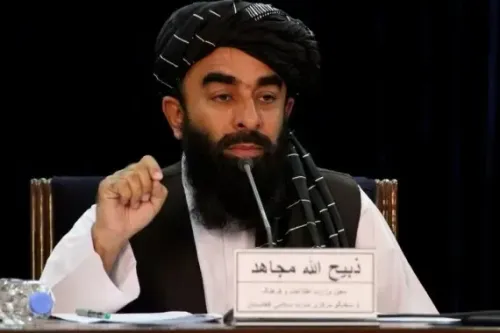
Taliban spokesperson Zabihullah Mujahid warned Afghanistan would give Pakistan 'an appropriate response.' Mujahid accused Pakistan's military leadership of launching strikes to divert attention from internal security failures.
India reaffirmed its 'strong and steadfast support' for Afghanistan's independence, sovereignty and territorial integrity .
India on Tuesday, 22 September 2026, formally condemned fresh Pakistani airstrikes on Afghanistan's Kunar and Paktika provinces, stating that such acts of aggression vitiate regional peace and security. The condemnation, delivered at a bi-weekly media briefing in New Delhi, follows Taliban authorities confirming that the strikes killed three civilians and injured four others.
India's Official Statement
Ministry of External Affairs (MEA) spokesperson Randhir Jaiswal offered condolences to the families of those killed and expressed hope for the swift recovery of the injured. He reaffirmed India's support for Afghanistan's sovereignty and territorial integrity.
'We strongly condemn the attacks from Pakistan, the airstrikes which were launched on Afghanistan in their Kunar and Paktika provinces. In this airstrikes, several civilians have been killed. We deeply offer our condolences on the precious lives lost... Such instances of aggression against a sovereign neighbour is something that goes against the regional peace and security, it vitiates the regional peace and security,' Jaiswal said.
He further added: 'It is yet another occasion of aggression from the Pakistani side. We also reaffirm our strong support, steadfast support for Afghanistan for their independence, for their sovereignty, for their territorial integrity as also for the welfare and well-being of their people.'
What Happened on the Ground
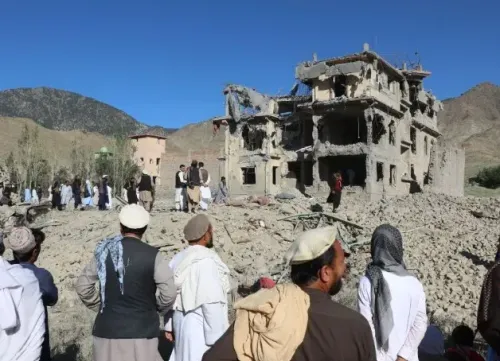
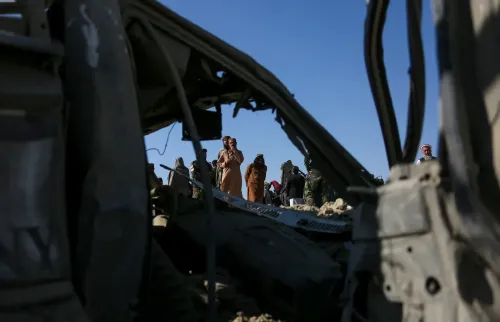
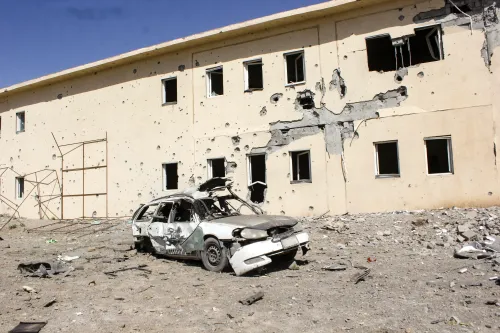
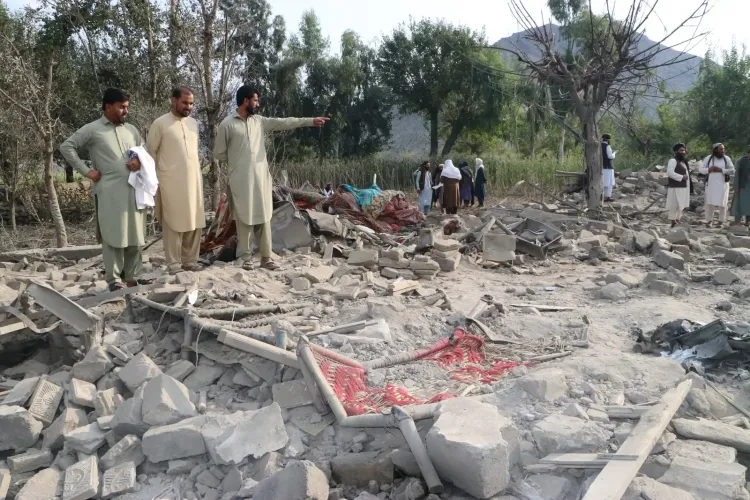
Taliban authorities confirmed that Pakistani strikes hit civilian areas in both provinces. In Kunar, one woman and two men were killed while two women and two men were wounded — all described as local civilian residents. In Paktika, a local shop and a house were targeted, with no casualties reported from that district.
Taliban chief spokesperson Zabihullah Mujahid posted a detailed account of the strikes on X, condemning the bombardment as a 'crime and aggression.' He accused Pakistan's military leadership of launching the strikes to divert public attention from internal security failures within the country.
Taliban's Warning to Pakistan
Mujahid warned that Afghans would deliver 'an appropriate response to this aggression, God willing.' He characterised the strikes as a 'repetition of crimes,' signalling the Taliban administration's intent to escalate its response beyond a diplomatic protest. This marks a notable hardening of the Taliban's public posture toward Islamabad.
Notably, Pakistan-Afghanistan relations have been under severe strain in recent months, with cross-border tensions escalating over Taliban-linked militant activity that Pakistan alleges originates from Afghan soil. The latest airstrikes appear to be the most direct Pakistani military action inside Afghanistan in this cycle of tensions.
Regional Implications
India's swift and unambiguous condemnation carries diplomatic weight: New Delhi has historically calibrated its public statements on Pakistan-Afghanistan developments carefully, and this sharp rebuke signals a deliberate positioning. India does not share a border with Afghanistan but has long maintained strategic and cultural ties with Kabul, and has been a significant development partner. This comes amid broader South Asian instability, with India-Pakistan relations already at a low ebb. The MEA's reference to 'yet another occasion of aggression' suggests a pattern-based framing — not an isolated protest but a cumulative indictment of Pakistani conduct.
How Pakistan responds to both the Taliban's warning and India's condemnation will determine whether this episode remains a bilateral Afghanistan-Pakistan flashpoint or widens into a broader regional confrontation.
Point of View
It is a deliberate indictment of a pattern. New Delhi rarely fires this publicly at Islamabad over Afghan developments, which makes the sharpness of Tuesday's MEA statement worth parsing: it signals India is actively framing Pakistan as a regional destabiliser, not just a bilateral adversary. The Taliban's own response — threatening retaliation and publicly blaming Pakistan's military for manufacturing a distraction from domestic failures — creates an unusually aligned moment between New Delhi and Kabul, two capitals that don't always find common ground. The deeper risk is escalation: if Pakistan continues these strikes and the Taliban carries out its promised 'appropriate response,' the security vacuum along the Af-Pak border deepens, with consequences that extend well beyond the two immediate parties.
NationPress
22 Sept 2026
Frequently Asked Questions
Why did India condemn Pakistan's airstrikes on Afghanistan?
India condemned the strikes because they targeted civilian areas in Afghanistan's Kunar and Paktika provinces, killing three people and injuring four. MEA spokesperson Randhir Jaiswal stated that such acts of aggression against a sovereign neighbour vitiate regional peace and security.
What happened in the Pakistani airstrikes on Kunar and Paktika?
Pakistani airstrikes hit civilian areas in Kunar and Paktika provinces of Afghanistan. In Kunar, one woman and two men were killed and four people were wounded; in Paktika, a house and a local shop were bombed with no casualties reported, according to Taliban authorities.
How did the Taliban respond to the Pakistani airstrikes?
Taliban chief spokesperson Zabihullah Mujahid condemned the strikes as a 'crime and aggression' and warned that Afghans would give 'an appropriate response.' He accused Pakistan's military of launching the strikes to distract from its own internal security failures.
What is India's position on Afghanistan's sovereignty?
India reaffirmed its 'strong and steadfast support' for Afghanistan's independence, sovereignty, and territorial integrity. New Delhi has long maintained strategic and developmental ties with Kabul despite the Taliban's takeover.
Is this the first time Pakistan has struck Afghanistan?
No. India's MEA described Tuesday's strikes as 'yet another occasion of aggression from the Pakistani side,' and Taliban spokesperson Mujahid called them a 'repetition of crimes,' indicating a pattern of cross-border military action in the current cycle of Pakistan-Afghanistan tensions.