India pushes global coconut cooperation at 62nd ICC session in Kochi
Synopsis
India opened the 62nd ICC Ministerial Meeting in Kochi by spotlighting its 30-million-strong coconut economy and pushing for a coordinated global response on climate resilience, research sharing, and market access — with Pacific island nations and the Jakarta-based ICC all at the table.
Key Takeaways
India hosted the 62nd Session of the International Coconut Community (ICC) in Kochi from 17 to 20 November .
India's coconut sector supports approximately 30 million people , including nearly 10 million farmers .
Union Minister Ram Nath Thakur called for research collaboration, climate-resilient farming, and expanded market access.
Agriculture Secretary Atish Chandra stressed quality standards and innovation to meet rising global demand for vegan and lactose-free coconut products.
Awards were presented to farmer K.
Sampathkumar , Apex Coco Products Limited , and scientist M.R.
Manikantan of ICAR-CPCRI .
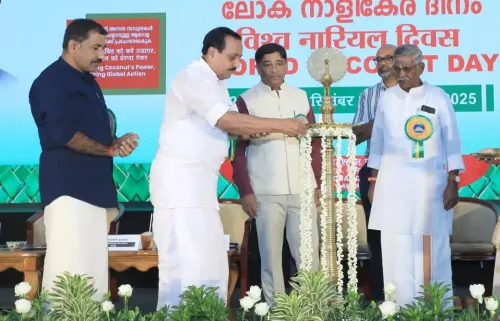
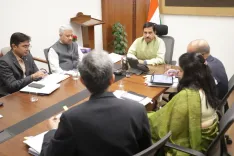
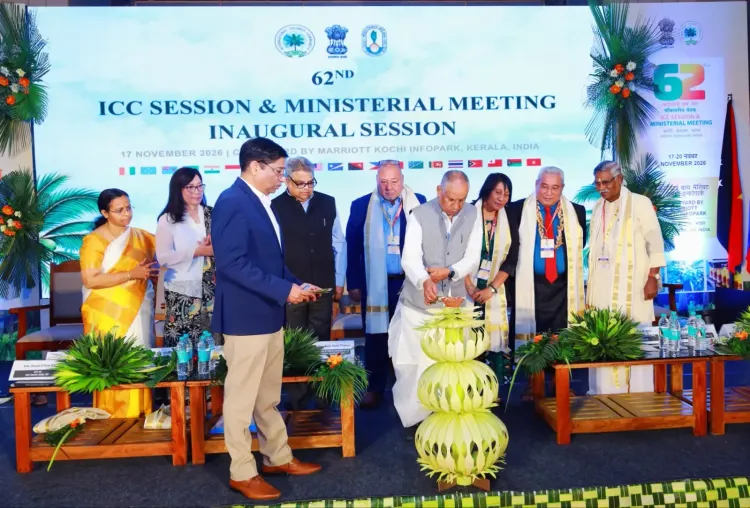
India on Tuesday, 17 November 2026, called for stronger international cooperation among coconut-producing nations to address common challenges and drive sustainable growth, as the 62nd Session of the International Coconut Community (ICC) and Ministerial Meeting got under way in Kochi. Union Minister of State for Agriculture and Farmers Welfare Ram Nath Thakur opened the four-day meeting by underscoring the urgency of research collaboration, climate-resilient farming practices, and broader market access for the sector.
India's Stake in the Coconut Sector
Inaugurating the session, Minister Thakur noted that India's coconut sector sustains the livelihoods of approximately 30 million people, including close to 10 million farmers. He stressed that the sector carries considerable export potential and that cooperation among producing nations was essential to realise it through farmer empowerment, skill development, value addition, and the expansion of international markets.
Thakur also called for greater sharing of technology and research findings to improve farm-level productivity and equip growers to navigate emerging challenges — including those posed by a changing climate.
What Agriculture Secretary Atish Chandra Said
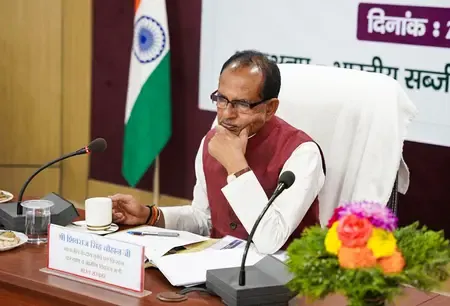
Union Agriculture Secretary Atish Chandra, who presided over the inaugural session, said the coconut industry must adapt to rapidly shifting consumer preferences and evolving international market requirements. He pointed to the growing global demand for sustainably produced, vegan and lactose-free products, and emphasised that food safety standards, quality certification, and innovation were non-negotiable for improving competitiveness on the world stage.
ICC's Role and Member Nations
International Coconut Community Director General Jelfina C. Alouw described the ICC as a vital platform for coconut-producing nations to exchange knowledge, build partnerships, and undertake collective action. Ministers and representatives from the Marshall Islands, Kiribati, and Samoa also addressed the gathering, highlighting how central the coconut economy is to their national livelihoods.
The four-day conference, running from 17 to 20 November, is jointly organised by the Coconut Development Board under India's Union Agriculture Ministry and the ICC, which is headquartered in Jakarta. Member countries will deliberate on research priorities, productivity enhancement, sustainability frameworks, value addition, and global marketing of coconut and its derivatives.
Awards for Outstanding Contributors
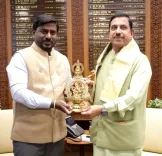
The event also honoured exceptional contributions to the sector. Awards were presented to coconut farmer K. Sampathkumar of Coimbatore, agri-business firm Apex Coco Products Limited, and scientist M.R. Manikantan of the ICAR-Central Plantation Crops Research Institute. The recognition signals India's intent to celebrate both grassroots farming excellence and institutional research that strengthens the industry's global competitiveness.
As the meeting progresses through the week, concrete proposals on shared research programmes and market-access frameworks are expected to take shape among member nations.
Point of View
Indian farmers remain structurally under-equipped to capture that premium. The 30-million-livelihood figure is a political talking point, but the real gap is in value addition — India still exports bulk raw coconut rather than finished derivatives. Unless the meeting produces binding research-sharing and market-access commitments, it risks being another multilateral forum that generates resolutions without changing farm income. The inclusion of Pacific micro-states like Kiribati and Samoa also signals that climate vulnerability — not just trade — is driving the ICC agenda, an angle mainstream coverage tends to underweight.
NationPress
17 Nov 2026
Frequently Asked Questions
What is the 62nd ICC session and why is it being held in Kochi?
The 62nd Session of the International Coconut Community (ICC) is a ministerial-level international conference where coconut-producing nations discuss research, sustainability, and global marketing. It is being held in Kochi from 17 to 20 November, jointly organised by India's Coconut Development Board and the Jakarta-based ICC, reflecting India's centrality to the global coconut economy.
How important is the coconut sector to India?
India's coconut sector supports the livelihoods of approximately 30 million people, including nearly 10 million farmers. The sector also holds significant export potential in coconut-based products, making it a priority for the Agriculture Ministry.
What did Union Minister Ram Nath Thakur stress at the ICC meeting?
Minister Thakur called for greater international cooperation on research collaboration, climate-resilient farming, and market access. He emphasised farmer empowerment, skill development, value addition, and the need for technology sharing to boost productivity across producing nations.
Who were the award recipients at the ICC session?
Awards were presented to coconut farmer K. Sampathkumar of Coimbatore, agri-business firm Apex Coco Products Limited, and scientist M.R. Manikantan of ICAR-Central Plantation Crops Research Institute, in recognition of outstanding contributions to the sector.
Which countries participated in the ICC ministerial meeting?
India hosted the meeting alongside ICC member nations; ministers and representatives from the Marshall Islands, Kiribati, and Samoa were among those who addressed the gathering, underscoring the coconut sector's economic significance across the Indo-Pacific region.