India rebalances ties with US, China in 2026: tariffs, FDI, and border talks
Synopsis
India has quietly pulled off a dual diplomatic reset in 2026 — settling its tariff war with Washington and cracking open the door to Chinese capital for the first time since the 2020 border standoff. With growth slipping to 6.6% and record bond inflows at stake, New Delhi is betting that two live economic channels are safer than one.
Key Takeaways
Modi and Trump agreed on 2 February 2026 to cut reciprocal tariffs on Indian goods to 18 per cent from 25 per cent , and scrapped the punitive 25 per cent duty on Russian oil purchases.
The Union Cabinet amended Press Note 3 on 10 March 2026 , creating an automatic FDI route for entities with non-controlling Chinese beneficial ownership below 10 per cent .
By late August 2026 , approximately ₹4,896 crore in FDI had entered India across 29 projects under the eased norms.
NSA Ajit Doval visited Beijing this week for the first Special Representatives boundary dialogue in five years , ahead of a BRICS summit in New Delhi .
India's 2026 growth forecast has been revised down to 6.6 per cent by the UN , from an estimated 7.4 per cent the prior year.
Overseas investors put a record $4.2 billion into Indian government bonds in June 2026 , the highest monthly inflow since August 2024 .
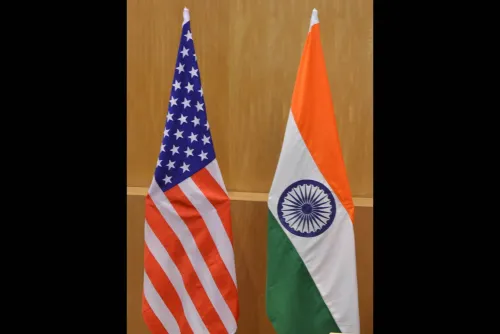
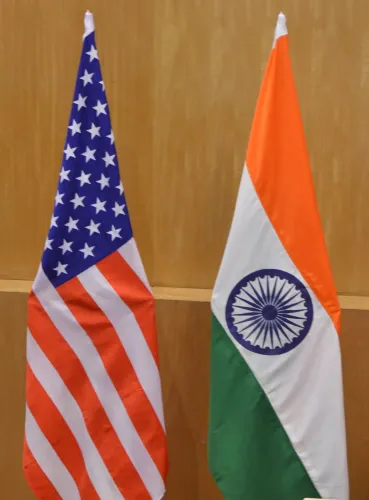
India has made significant strides in rebalancing its economic partnerships with both the United States and China through 2026, resolving a tariff standoff with Washington and cautiously reopening the door to Chinese capital for the first time since the 2020 border clashes, according to an analysis published in Geopolitical Monitor by Alok Kumar Kanojia. The twin moves, taken together, represent a deliberate effort by New Delhi to diversify its external economic dependencies at a moment when India's growth forecasts are being revised downward.
The US Tariff Settlement
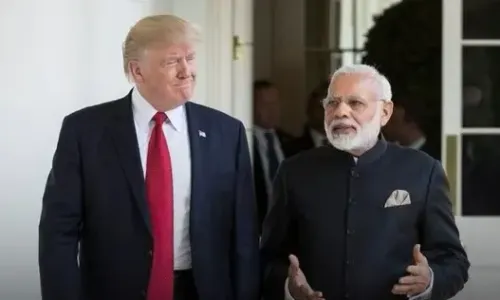
The American chapter closed first. On 2 February 2026, Prime Minister Narendra Modi and US President Donald Trump agreed, in a phone call, to reduce the reciprocal tariff on Indian goods to 18 per cent from 25 per cent, and to drop entirely the additional 25 per cent punitive duty that had been tied to India's purchases of Russian oil. Both governments have since publicly affirmed that the India-specific arrangement will hold irrespective of any ruling by the US Supreme Court on tariffs.
Washington has subsequently imposed separate Section 301 duties of 10 per cent, though approximately 45 per cent of Indian exports remain outside their scope. Quartz surface products face safeguard tariffs as high as 55 per cent. Despite these carve-outs, the net tariff environment is meaningfully lower and more predictable than it was a year ago, according to the analysis.
Press Note 3 Amendment and Chinese FDI
On 10 March 2026, the Union Cabinet amended Press Note 3 — the 2020 regulation that had subjected all investment from land-bordering countries, including China, to mandatory government approval. The amendment stopped short of reopening direct Chinese investment, which still requires prior clearance. Instead, it created an automatic route for entities where non-controlling Chinese beneficial ownership falls below 10 per cent, alongside a 60-day approval timeline for select manufacturing sectors including capital goods, electronic components, and solar inputs such as polysilicon and ingot-wafer.
By late August 2026, the government reported approximately ₹4,896 crore in foreign direct investment across 29 projects had flowed in under the relaxed norms, spanning information technology, pharmaceuticals, data centres, and manufacturing. The opening is narrow but consequential: it unblocks multinational manufacturers with minority Chinese ownership who had previously been locked out of the automatic investment route regardless of the size of the Chinese stake.
Beijing's Parallel Moves and Border Diplomacy
The easing on the Indian side has been accompanied by reciprocal signals from Beijing. China lifted export curbs on rare earth magnets, fertilisers, and tunnel boring machines in August 2025. Border talks have accelerated through 2026, culminating this week in National Security Advisor Ajit Doval's visit to Beijing for the first Special Representatives dialogue on the boundary dispute in five years. The talks precede a BRICS summit that New Delhi is scheduled to host next month.
Growth Forecasts and Capital Flows
The diplomatic recalibration comes as India's growth outlook softens. The UN's mid-year projection put 2026 growth at 6.6 per cent, down from an estimated 7.4 per cent the previous year, citing geopolitical tensions and policy uncertainty. S&P had earlier forecast 7.1 per cent for FY27, anchored on steady exports and a recovering investment cycle.
Overseas investors poured a record $4.2 billion into Indian government bonds in June 2026 — the strongest monthly inflow since August 2024 — at a time when domestic inflation had eased to 2.1 per cent and the Reserve Bank of India (RBI) Governor described the domestic environment as a 'Goldilocks' phase. Analysts note that a more stable and less escalation-prone tariff regime directly reduces the currency and bond-market volatility that the RBI has had to factor into its policy stance.
What Comes Next
Whether the rebalancing proves durable will depend on factors beyond India's direct control — including the longevity of the Section 301 duties and the outcome of the border talks ahead of the BRICS summit. For an economy whose growth model remains heavily reliant on external capital and export demand, having two active economic channels — each carrying its own risks and leverage — marks a meaningful structural shift, the analysis concludes.
Point of View
New Delhi has crafted a rule narrow enough to retain political cover but wide enough to unblock real supply-chain capital. The harder question is whether a 6.6 per cent growth environment — itself partly a product of the external turbulence these deals are meant to address — gives India enough runway to make the rebalancing stick before the next geopolitical disruption arrives.
NationPress
30 Aug 2026
Frequently Asked Questions
What tariff deal did India reach with the US in 2026?
On 2 February 2026, Prime Minister Narendra Modi and US President Donald Trump agreed to lower the reciprocal tariff on Indian goods to 18 per cent from 25 per cent, and to drop the additional 25 per cent punitive duty linked to India's Russian oil purchases. Both governments have confirmed the arrangement will hold regardless of any US Supreme Court ruling on tariffs.
What is the Press Note 3 amendment and what does it change?
Press Note 3 was a 2020 regulation requiring all investment from land-bordering countries, including China, to go through mandatory government approval. The March 2026 amendment created an automatic FDI route for entities where non-controlling Chinese beneficial ownership is below 10 per cent, with a 60-day approval window for select manufacturing sectors. Direct Chinese investment still requires prior clearance.
How much Chinese-linked FDI has entered India since the rule change?
The government reported approximately ₹4,896 crore in FDI across 29 projects by late August 2026 under the eased Press Note 3 norms, covering sectors such as IT, pharmaceuticals, data centres, and manufacturing.
What is the significance of Ajit Doval's visit to Beijing?
National Security Advisor Ajit Doval travelled to Beijing for the first Special Representatives dialogue on the India-China boundary dispute in five years. The talks are seen as a key step in the broader diplomatic thaw between the two countries and precede a BRICS summit that New Delhi is hosting next month.
How have India's growth forecasts changed in 2026?
The UN's mid-year outlook revised India's 2026 growth forecast down to 6.6 per cent from an estimated 7.4 per cent the previous year, citing geopolitical tensions and global policy uncertainty. S&P had earlier projected 7.1 per cent for FY27, contingent on steady exports and a recovering investment cycle.