India Denies Allegations of Transnational Violence in Nijjar Case as Politically Motivated
Synopsis
India firmly dismisses allegations of its involvement in transnational organized crime as unfounded and politically charged. This statement comes amidst rising tensions between India and Canada following the Nijjar case. Learn how both nations are navigating the complexities of diplomatic relations and security cooperation.
Key Takeaways
India rejects allegations of transnational violence as unfounded and politically motivated.
Commitment to judicial process emphasized by Indian officials.
Diplomatic relations with Canada strained due to Nijjar case allegations.
Security cooperation initiatives between India and Canada are progressing.
Joint Working Group on counter-terrorism established for better coordination.
New Delhi, March 2 (NationPress) On Monday, India reaffirmed its dedication to the judicial process while dismissing allegations of involvement in transnational organized crime as unfounded, politically motivated, and lacking credible evidence, despite numerous requests for substantiation.
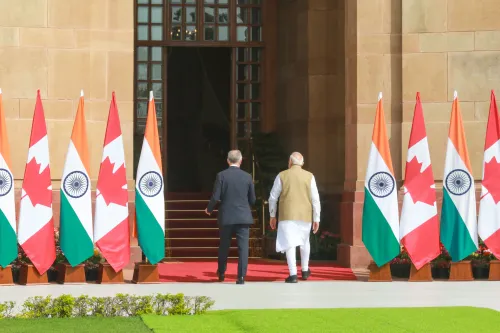
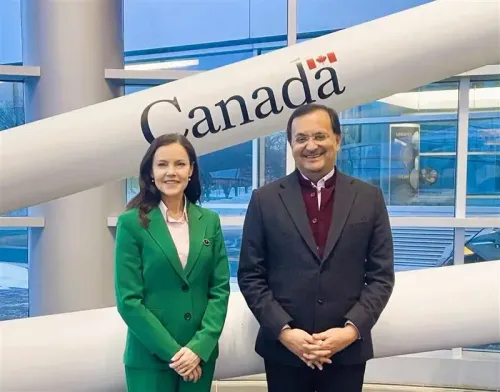
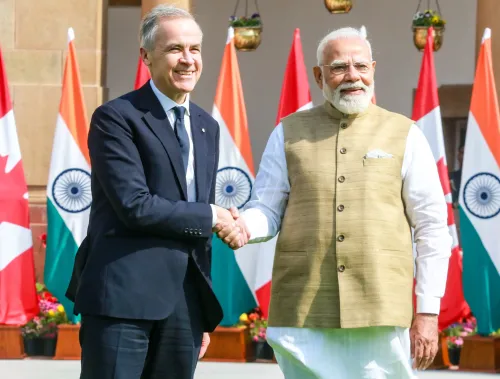
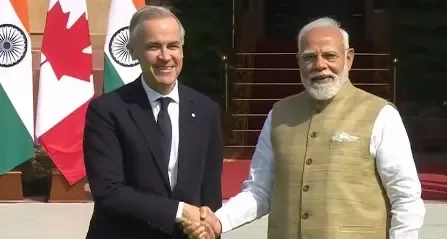
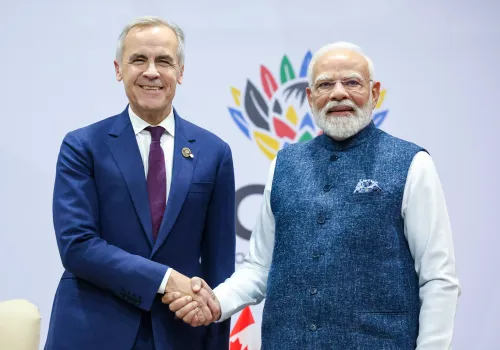
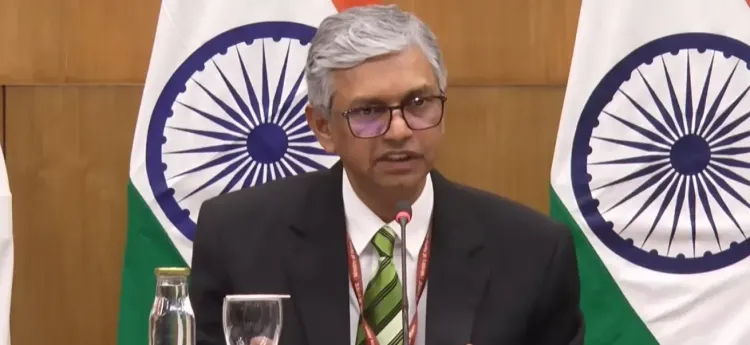
During a special briefing concerning Canadian Prime Minister Mark Carney's visit to India, Periasamy Kumaran, Secretary (East) in the Ministry of External Affairs (MEA), emphasized that any concerns should be resolved through law enforcement and judicial procedures, rather than through public discourse.
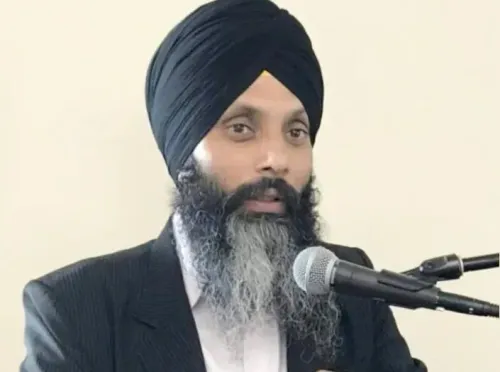
"India unequivocally rejects the claims of participation in transnational violence or organized crime. These assertions are groundless, politically driven, and lack credible evidence, despite repeated requests for validation. We believe that matters of this nature should be handled through credible law enforcement and judicial processes, rather than through publicized narratives," Kumaran stated in response to inquiries regarding the killing of Khalistani terrorist Hardeep Singh Nijjar.
Regarding the Nijjar case, he noted that the criminal investigation is progressing in accordance with established legal protocols. "The Canadian authorities have a defined legal framework, and it will unfold as such. India remains steadfast in its commitment to the judicial process and believes that sensitive issues under judicial review should proceed without public commentary," he added.
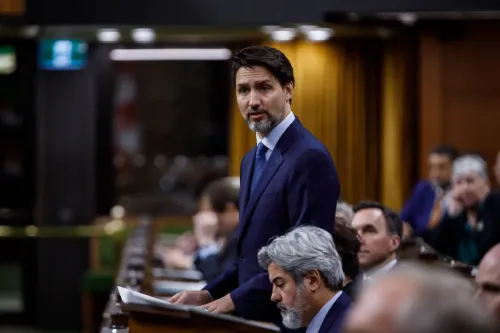
Bilateral relations between India and Canada have deteriorated following former Canadian Prime Minister Justin Trudeau's allegations in Parliament of credible claims regarding India's involvement in Nijjar's death. A significant diplomatic incident ensued when Canada labeled India's High Commissioner and other diplomats as persons of interest in the investigation.
India has categorically denied all allegations, branding them as absurd and motivated, accusing Ottawa of providing a platform for extremist and anti-India factions within its borders.
During the briefing, Kumaran also addressed the current security collaboration between India and Canada. He remarked that both nations have recognized advancements in initiatives designed to bolster the safety and security of their citizens.
On the matter of criminals finding refuge in Canada, Kumaran provided broader context regarding the ongoing security collaboration. Following directions from their leaders, National Security Advisors from both countries convened in Delhi on September 18, 2025, and again on February 7, 2026, in Ottawa. The two sides acknowledged progress on initiatives aimed at enhancing the safety and security of both nations' citizens. They agreed to continue high-level discussions on security and law enforcement cooperation.
"We also have a Joint Working Group (JWG) focused on counter-terrorism, along with a consular dialogue mechanism that covers various issues, including extradition, lookout circulars, and notices. The next edition of the Consular Dialogue is scheduled for the coming months. In the meeting held on February 6, both sides agreed on a shared work plan to direct bilateral cooperation on national security and law enforcement matters, facilitating practical collaboration on respective priorities," he elaborated.
Kumaran concluded by stating that both countries agreed to appoint security and law enforcement liaison officers to enhance working relationships, streamline communication, and enable timely information sharing on mutual concerns, including the illegal trafficking of drugs, particularly fentanyl precursors, and transnational organized criminal networks.
Point of View
The unfolding events surrounding the Nijjar case underscore the complexities of international relations and the critical importance of judicial processes. India’s rejection of allegations highlights its commitment to law and order, while the diplomatic tensions with Canada warrant careful navigation to ensure mutual security and cooperation.
NationPress
3 Oct 2026
Frequently Asked Questions
What are the allegations against India in the Nijjar case?
The allegations claim India's involvement in the transnational organized crime and violence related to the killing of Khalistani terrorist Hardeep Singh Nijjar, which India has categorically denied as unfounded and politically motivated.
How has India responded to these allegations?
India has rejected the allegations as baseless and politically driven, emphasizing that concerns of this nature should be addressed through law enforcement and judicial processes, not public narratives.
What is the current status of India-Canada relations?
Bilateral relations between India and Canada have soured following allegations made by former Canadian Prime Minister Justin Trudeau, leading to a significant diplomatic dispute.
What measures are being taken for security cooperation between India and Canada?
India and Canada have acknowledged progress in security cooperation initiatives and have agreed to continue discussions on law enforcement, counter-terrorism, and sharing vital information on mutual interests.
What is the Joint Working Group (JWG) on counter-terrorism?
The JWG is a collaborative effort between India and Canada focusing on counter-terrorism measures, aiming to enhance bilateral cooperation in addressing security threats.