India signs WTO accession protocol with Ethiopia, backs developing nations' trade integration
Synopsis
India signed a bilateral WTO accession protocol with Ethiopia in Geneva — a quiet but consequential move. As Ethiopia's second-largest trading partner and a leading investor, India is positioning itself at the centre of Africa's trade integration story, fast-tracking an agreement that could reshape bilateral commerce as Ethiopia nears full WTO membership.
Key Takeaways
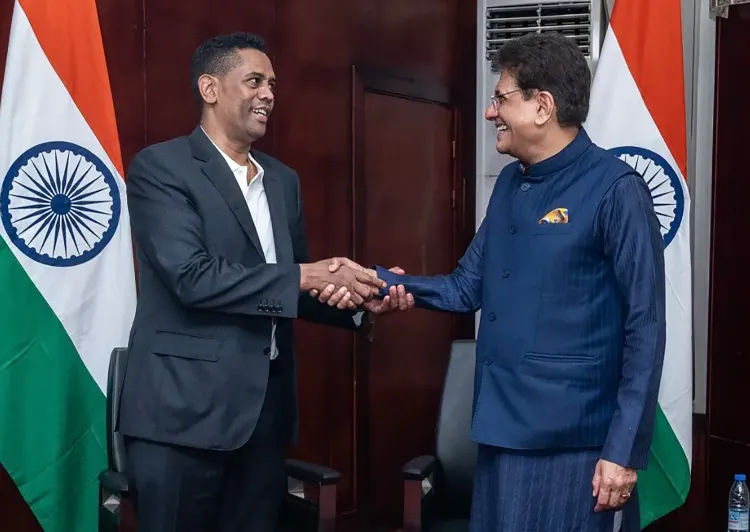
India signed a bilateral WTO accession protocol with Ethiopia in Geneva on 23 May 2026 .
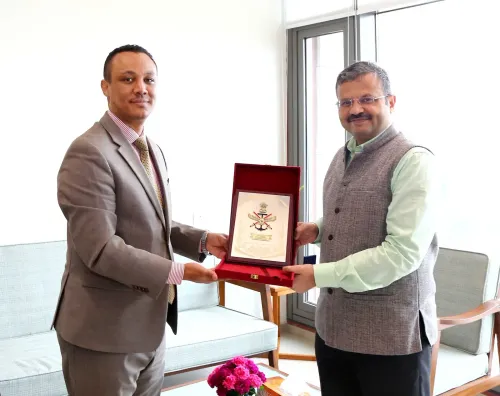
The protocol was signed by Dr Senthil Pandian C. for India and Tsegab Kebebew Daka for Ethiopia, and deposited with the WTO Secretariat .
Ethiopia's WTO Working Party has met seven times , most recently on 22–23 April 2026 , indicating an advanced accession stage.
India is Ethiopia's second-largest trading partner and a leading foreign investor in the country.
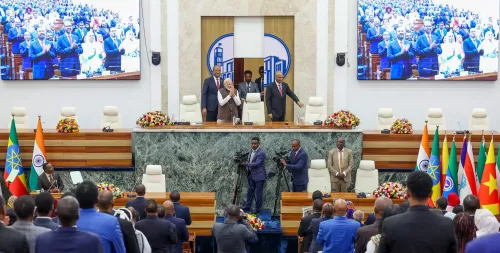
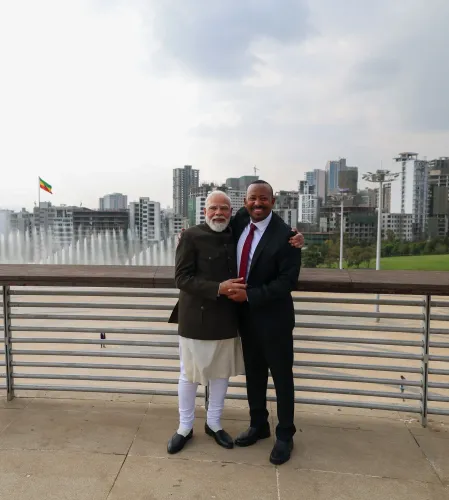
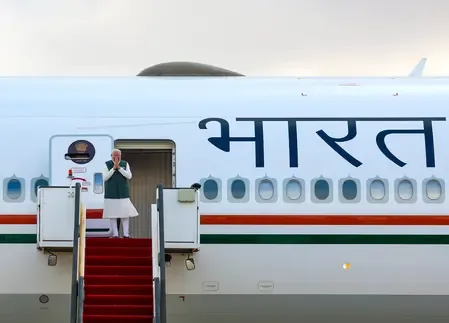
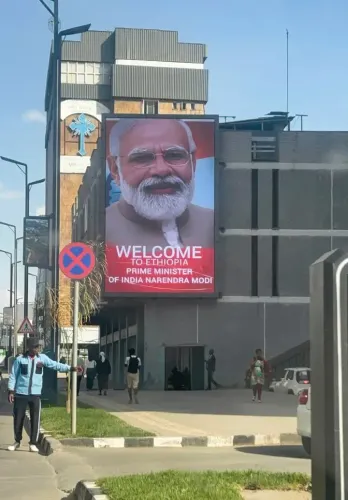
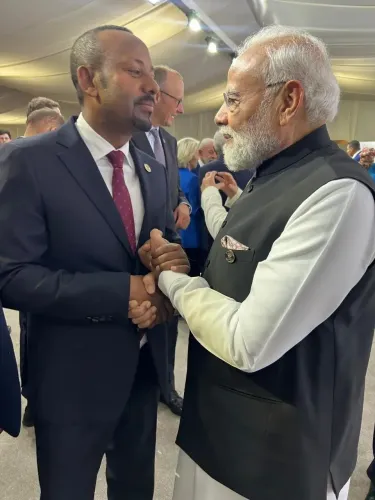
Bilateral ties were elevated to a Strategic Partnership during PM Modi's visit to Ethiopia in December 2025 .
The deal was fast-tracked under Commerce Minister Piyush Goyal's guidance.
India on 23 May 2026 signed a bilateral accession protocol with Ethiopia in Geneva, reaffirming its commitment to supporting developing countries and Least Developed Countries (LDCs) in joining the World Trade Organization (WTO). The signing marks a significant step in Ethiopia's ongoing WTO accession process and is expected to open new avenues for trade and investment between the two countries.
The Protocol Signing
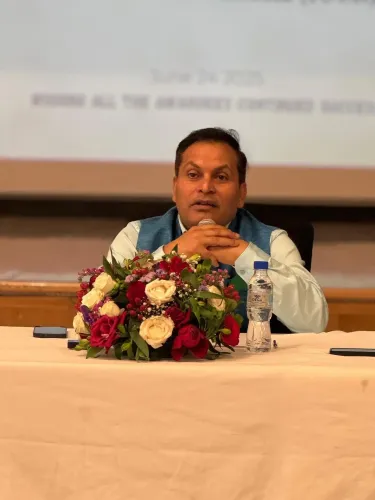
The protocol was signed by Dr Senthil Pandian C., Ambassador and Permanent Representative of India to the WTO, on behalf of India. Representing Ethiopia was Tsegab Kebebew Daka, Ambassador and Permanent Representative of the Federal Democratic Republic of Ethiopia to the United Nations Office and Other International Organizations in Geneva. Following the ceremony, the protocol and its annexes were formally deposited with the WTO Secretariat.
The agreement was fast-tracked and concluded under the guidance of Union Minister of Commerce and Industry Piyush Goyal, according to the Commerce Ministry.
Ethiopia's WTO Accession Progress
Ethiopia is at an advanced stage of its WTO accession, with its Working Party having convened for the seventh time on 22–23 April 2026. The WTO accession process requires a country to align its domestic economic and trade policies with WTO rules while negotiating market access commitments with existing member states — a process that can span years.
Notably, this signing comes as Ethiopia undertakes sweeping economic and trade policy reforms, and the Commerce Ministry indicated that the accession process is expected to generate new opportunities for enhanced trade, investment, and business collaboration between the two nations.
India-Ethiopia Bilateral Ties
India is Ethiopia's second-largest trading partner, and Indian companies are among the leading foreign investors in the East African country. Bilateral relations were elevated to a Strategic Partnership during Prime Minister Narendra Modi's visit to Ethiopia in December 2025 — the first visit by an Indian Prime Minister to the country in decades.
This comes amid a broader Indian foreign policy push to deepen economic engagement with Africa, positioning New Delhi as a partner of choice for the continent's developing economies as they integrate into global value chains.
India's Broader WTO Stance
India has consistently backed the accession of developing nations and LDCs to the WTO, arguing that their fuller integration into the multilateral trading system is essential for building a more inclusive and balanced global economy. The Geneva signing reinforces that position at a time when multilateral trade frameworks face growing pressure from rising protectionism and geopolitical fragmentation.
With Ethiopia's accession process nearing its final stages, both countries are expected to deepen their trade and investment frameworks in the months ahead.
Point of View
The Gulf states, and Western powers are all competing for influence in East Africa. Elevating the relationship to a Strategic Partnership during Modi's December 2025 Addis Ababa visit and then swiftly following up with a Geneva protocol signals a deliberate sequencing of diplomacy and commerce. The real question is whether Indian businesses can convert this institutional goodwill into durable market presence before competitors do.
NationPress
8 Oct 2026
Frequently Asked Questions
What is the WTO accession protocol that India signed with Ethiopia?
It is a bilateral agreement signed in Geneva on 23 May 2026, under which India formally supports Ethiopia's accession to the World Trade Organization. The protocol and its annexes were deposited with the WTO Secretariat following the signing ceremony.
Where does Ethiopia stand in its WTO accession process?
Ethiopia is at an advanced stage of accession, with its WTO Working Party having met for the seventh time on 22–23 April 2026. The process requires Ethiopia to align domestic trade and economic policies with WTO rules and negotiate market access commitments with existing members.
Why does the India-Ethiopia WTO protocol matter for bilateral trade?
India is Ethiopia's second-largest trading partner and a leading foreign investor there. The protocol is expected to create new opportunities for trade, investment, and business collaboration as Ethiopia integrates further into the global trading system.
Who signed the protocol on behalf of India and Ethiopia?
Dr Senthil Pandian C., India's Ambassador and Permanent Representative to the WTO, signed on behalf of India. Tsegab Kebebew Daka, Ethiopia's Ambassador to the UN Office and Other International Organizations in Geneva, signed on behalf of Ethiopia.
How does this relate to the India-Ethiopia Strategic Partnership?
Bilateral relations between India and Ethiopia were elevated to a Strategic Partnership during Prime Minister Narendra Modi's visit to Ethiopia in December 2025. The WTO protocol signing is a follow-through on that diplomatic upgrade, translating the partnership into concrete trade architecture.