Indus Water Treaty row: India warns Pakistan of 'world map' consequences
Synopsis
India's political class — BJP, Congress, and AAP together — delivered a rare unified warning to Pakistan on 14 August, threatening it will be 'removed from the world map' if it acts on its Indus Water Treaty threats. With New Delhi linking treaty restoration to a full halt of cross-border terrorism, and Ambassador Vinay Kwatra framing Pakistan as a 50-year bad-faith actor, the diplomatic standoff has hardened into a near-unconditional position.
Key Takeaways
Indian leaders across party lines warned on 14 August that Pakistan 'will be removed from the world map' for any misadventure over the Indus Water Treaty (IWT) .
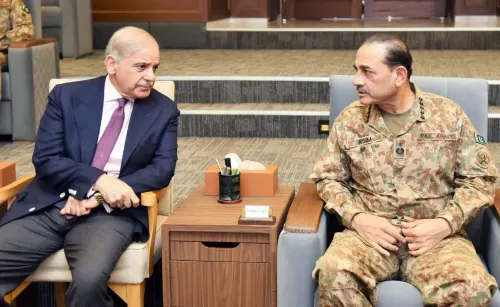
Pakistani PM Shehbaz Sharif had called water a 'red line,' triggering the cross-party Indian response.
BJP spokesperson R.P.
Singh invoked Operation Sindoor , warning of consequences far greater than what Pakistan suffered then.
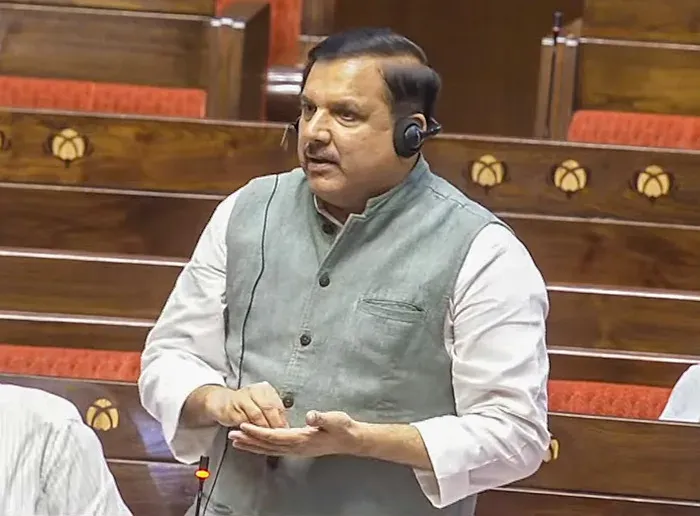
Congress MP Tariq Anwar and AAP MP Sanjay Singh both backed the government's position on keeping the IWT in abeyance.
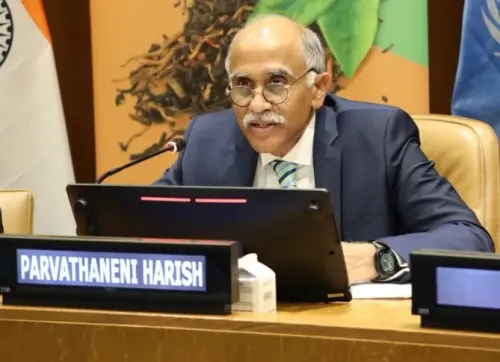
India's Ambassador to the US, Vinay Kwatra , said Pakistan spent 50 years dismantling the treaty's goodwill foundation, and its abeyance 'merely acknowledges what Pakistan's conduct had already destroyed.' India has conditioned restoration of the IWT on Pakistan completely stopping cross-border terrorism.
Leaders across India's political spectrum on Friday, 14 August issued sharp warnings to Islamabad over its threat regarding the Indus Water Treaty (IWT), declaring that Pakistan 'will be removed from the world map' if it attempts any misadventure. The unified cross-party response came a day after Pakistani Prime Minister Shehbaz Sharif issued what he called a 'direct response,' asserting that Pakistan 'won't compromise on water issue as it is the nation's red line.'
India has maintained that the Indus Water Treaty — signed in 1960 in a spirit of goodwill — will remain in abeyance until Pakistan completely halts cross-border terrorism.
What Indian Leaders Said
Union Minister Giriraj Singh dismissed Pakistan's posturing, saying: 'India works strictly in its own national interest. Whatever power there may be in the world...what stature does Pakistan even have? We work in our own interest and we defend our interests resolutely.'
Bharatiya Janata Party (BJP) National Spokesperson R.P. Singh issued a sterner warning, invoking Operation Sindoor: 'Shehbaz Sharif may have forgotten the state that Pakistan was reduced to during Operation Sindoor last year, the way their (terror) infrastructures and airports were destroyed. If they attempt any misadventure, Pakistan will get removed from the world map forever.'
The warning found echo across party lines. Indian National Congress (Congress) MP Tariq Anwar said: 'There is a reason why India has kept the IWT in abeyance. The way terrorist activities are being conducted on part of Pakistan and given the recent attacks in Kashmir which claimed the lives of innocents, it is very difficult for India to maintain relations with Pakistan.'
Aam Aadmi Party (AAP) MP Sanjay Singh added: 'Recently in Operation Sindoor, you must have seen how our Indian Armed Forces showed them every kind of line — red, yellow, blue. India possesses the capability to give a befitting reply to everything they do with a thousand times greater force. On this matter, the entire nation stands firmly with the Government of India and with the Indian Armed Forces.'
India's Diplomatic Position on the IWT
India's Ambassador to the United States, Vinay Kwatra, has previously stated that the IWT was signed in a spirit of goodwill and friendship in 1960, but that Pakistan spent 50 years dismantling this foundation. He said the treaty's abeyance 'merely acknowledges what Pakistan's conduct had already destroyed.'
This is a significant diplomatic framing — positioning New Delhi not as the aggressor but as the aggrieved party responding to decades of bad faith.
Context: Why the IWT Is in Abeyance
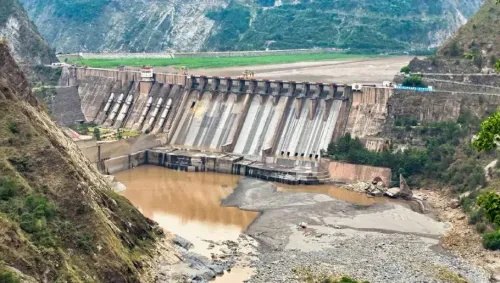
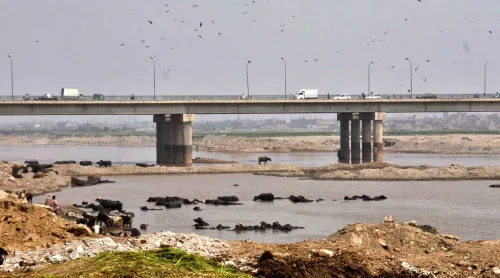
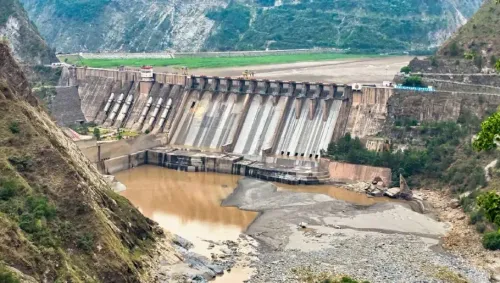
The Indus Water Treaty governs the allocation of water from the Indus river system between India and Pakistan. India placed the treaty in abeyance citing Pakistan-sponsored cross-border terrorism, including the Pahalgam attack and other incidents in Kashmir that claimed civilian lives. The move marked a sharp escalation in bilateral water diplomacy, with New Delhi linking treaty obligations directly to Pakistan's conduct on terrorism.
What Happens Next
With Pakistan framing water access as a 'red line' and India tying treaty restoration to counter-terrorism compliance, the diplomatic standoff shows no signs of near-term resolution. Analysts note that the cross-party consensus in India — spanning the BJP, Congress, and AAP — signals that the IWT's abeyance is unlikely to be reversed under current conditions. The next flashpoint will likely be any escalation along the Line of Control or a fresh terror incident attributed to Pakistan-based groups.
Point of View
Congress, and AAP to speak in one voice, and Islamabad would be unwise to read this as performative nationalism. What is underreported is the diplomatic architecture India is building around the IWT suspension: by framing it as a response to 50 years of Pakistani bad faith rather than a punitive post-Pahalgam measure, New Delhi is insulating itself from international pressure to restore water flows. The real question is whether Pakistan's 'red line' framing is domestic political theatre ahead of an anniversary, or a genuine escalatory signal — because India's response suggests it is treating it as the latter.
NationPress
28 Sept 2026
Frequently Asked Questions
Why has India kept the Indus Water Treaty in abeyance?
India placed the Indus Water Treaty in abeyance citing Pakistan's continued support for cross-border terrorism, including attacks in Kashmir that have claimed civilian lives. New Delhi has stated the treaty will remain suspended until Pakistan fully halts such activities.
What did Pakistani PM Shehbaz Sharif say about the IWT?
Pakistani Prime Minister Shehbaz Sharif issued what he called a 'direct response,' warning that Pakistan 'won't compromise on water issue as it is the nation's red line.' This statement triggered the sharp cross-party reaction from Indian leaders.
Which Indian leaders reacted to Pakistan's IWT threat?
Leaders from multiple parties responded, including Union Minister Giriraj Singh and BJP spokesperson R.P. Singh from the ruling side, Congress MP Tariq Anwar, and AAP MP Sanjay Singh — reflecting a rare cross-party consensus.
What is Operation Sindoor and why was it referenced?
Operation Sindoor was a military operation in which Indian Armed Forces targeted terror infrastructure and airports in Pakistan. BJP spokesperson R.P. Singh invoked it as a warning, saying Pakistan should not forget 'the state it was reduced to' during that operation.
What has India's Ambassador to the US said about the IWT?
India's Ambassador to the United States, Vinay Kwatra, stated that the IWT was signed in goodwill in 1960 but that Pakistan spent 50 years undermining it. He said the treaty's abeyance 'merely acknowledges what Pakistan's conduct had already destroyed.'