Mandaviya Seals ₹40 Cr Indian Oil MoU to Power Indian Boxing

Synopsis
Union Sports Minister Mansukh Mandaviya has announced a tripartite MoU between IOCL, SAI, and NSDF under which Indian Oil will invest ₹40 crore in Indian boxing development, aligned with PM Modi's vision of nurturing grassroots talent for the global stage.
Key Takeaways
₹40 crore from Indian Oil Corporation Limited (IOCL) will be channelled into Indian boxing development through a new tripartite MoU.
The agreement is signed among IOCL , the Sports Authority of India (SAI) , and the National Sports Development Fund (NSDF) .
The initiative aligns with PM Narendra Modi's stated vision of developing grassroots sporting talent and improving India's performance on the world stage.
The MoU builds on existing frameworks including the Khelo India scheme (launched 2017 ) and the Target Olympic Podium Scheme (TOPS) .
Implementation outcomes — including infrastructure upgrades and athlete competition exposure — are expected to be tracked over the next two to three years .
The tripartite model could be replicated for other Olympic-priority sports if boxing benchmarks are met.
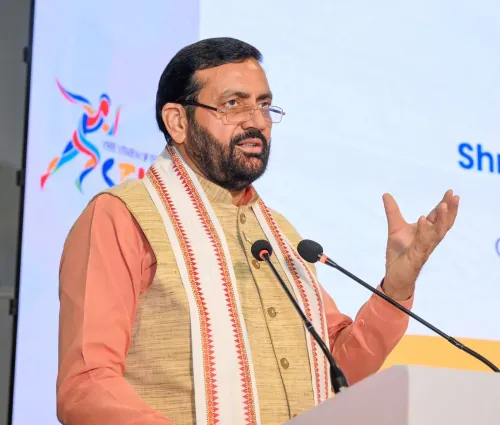
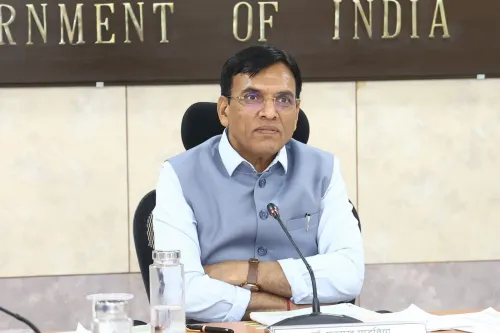
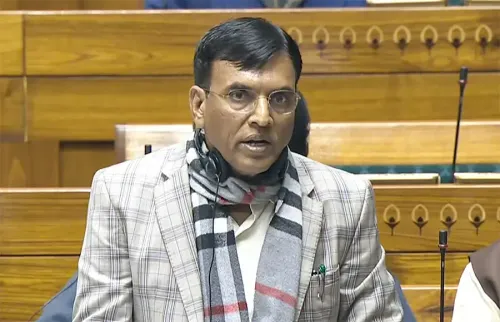
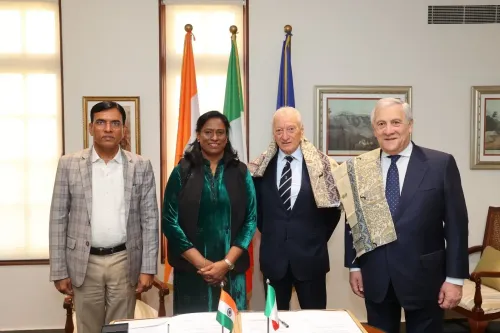
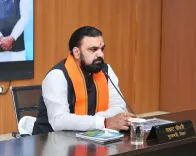
Forty crore rupees. One tripartite handshake. A new fuel line for Indian boxing. Union Labour and Sports Minister Mansukh Mandaviya announced on Tuesday, 13 October 2026, that Indian Oil Corporation Limited (IOCL), the Sports Authority of India (SAI), and the National Sports Development Fund (NSDF) have signed a tripartite MoU that channels ₹40 crore from Indian Oil directly into the development of Indian boxing.
Posting in Hindi on X, Mandaviya framed the moment with sharp optimism: 'भारतीय Boxing को नई उड़ान, युवा Champions को नई ताकत!' — 'New wings for Indian boxing, new strength for young champions!' He credited the initiative as flowing directly from Prime Minister Narendra Modi's vision to identify grassroots talent and raise the tricolour on the world stage.Three Signatures, One Pipeline for Young Boxers
The tripartite structure is the real architecture here. IOCL, one of India's largest public sector undertakings, contributes the ₹40 crore from its corporate social responsibility corpus. SAI provides the training infrastructure, coaching frameworks, and athlete support machinery it has built over decades. NSDF acts as the pooling mechanism that ensures funds flow in a structured, accountable way across both government and private-sector contributions. Together, the three pillars are designed to give young boxers something they have historically lacked: sustained, multi-year financial backing that does not depend on a single budget cycle.
Boxing in Modi's Sports Architecture
This MoU does not arrive in a vacuum. The Khelo India scheme, launched in 2017, set the template for grassroots talent identification across Olympic disciplines, boxing firmly among them. The Target Olympic Podium Scheme (TOPS) layered elite-athlete support on top — stipends, foreign exposure, specialised coaching. What the new tripartite agreement adds is a dedicated, ring-fenced CSR fund specifically for boxing, signalling that the Central government wants public sector giants to become active partners, not passive bystanders, in India's Olympic ambitions.
The broader pattern is deliberate. Central authorities have increasingly structured MoUs between PSUs, SAI, and NSDF to supplement budgetary allocations without waiting for fresh parliamentary approvals. Each agreement effectively creates a fast lane — money moves faster, accountability is contractual, and outcomes are measurable against agreed milestones.
What the ₹40 Crore Is Expected to Do
The funds are earmarked for the 'development of Indian boxing' — which in practice means expanded training infrastructure, greater competition exposure at the national and international level for junior athletes, and stronger coaching pipelines. Watch for implementation milestones over the next two to three years: whether national-level boxing academies receive upgrades, how many athletes enter the TOPS support list, and whether India's performance at the next Asian Games or World Championships carries the fingerprints of this investment.
If the model proves itself in boxing, similar tripartite agreements in other Olympic-priority sports are a logical next step — and Mandaviya's ministry has the institutional template ready to replicate.
Indian boxing has produced world champions and Olympic medallists before. With ₹40 crore and the full weight of a PSU-SAI-NSDF alliance behind the next generation, the ministry is betting the next one is already training in a gym somewhere in India — they just need the infrastructure to get there.
Point of View
Contractual investment aligned with government policy goals. For the BJP-led government, visible private-sector (PSU) participation in Olympic disciplines like boxing allows the sports ministry to demonstrate momentum even within existing budgetary constraints. The ₹40 crore figure is meaningful but modest; the real policy signal is the replicable template it creates. If implementation is tracked rigorously and outcomes are published, this model could become the default architecture for sports development funding across priority disciplines ahead of the 2028 Los Angeles Olympics.
NationPress
13 Oct 2026
Frequently Asked Questions
What is the IOCL SAI NSDF boxing MoU about?
It is a tripartite agreement under which Indian Oil Corporation Limited (IOCL) will contribute ₹40 crore for the development of Indian boxing, with SAI providing training support and NSDF managing the fund flow. Union Sports Minister Mansukh Mandaviya announced the signing on 13 October 2026.
How much money is Indian Oil giving for boxing development?
Indian Oil Corporation Limited (IOCL) will contribute ₹40 crore for Indian boxing development as part of the tripartite MoU signed with SAI and NSDF.
What is the National Sports Development Fund (NSDF)?
NSDF is a government mechanism designed to pool resources from both public and private sources for sports promotion in India. It acts as a financial intermediary that ensures structured and accountable fund flow to sports development programmes.
How does this MoU connect to the Khelo India scheme?
The Khelo India scheme, launched in 2017, established the framework for grassroots talent identification in Olympic disciplines including boxing. The new ₹40 crore MoU supplements that architecture by adding dedicated, ring-fenced CSR funding from a major PSU for boxing specifically.
What is the Target Olympic Podium Scheme and is boxing part of it?
TOPS is a government programme that provides targeted support — stipends, coaching, foreign exposure — to elite Indian athletes aiming for Olympic medals. Boxing is among the disciplines covered, and the new tripartite MoU is expected to strengthen the pipeline feeding into TOPS-level athletes.