₹2.9 crore in soil carbon payments reach 2,550 Punjab, Haryana farmers
Synopsis
India's farm-level carbon economy just made its first major payout: 2,550 small farmers in Punjab and Haryana are receiving over ₹2.9 crore for regenerative practices they adopted between 2019 and 2022. With 50,000-plus verified credits, two million acres enrolled, and 45 billion litres of water reportedly saved, this is the largest farmer-facing carbon credit settlement the country has seen — and a live proof-of-concept for India's nascent national carbon market.
Key Takeaways
More than ₹2.9 crore to be disbursed to 2,550 small farmers in Punjab and Haryana as soil carbon payments.
Individual payouts range from ₹3,000 to ₹15,000 , depending on each farmer's share of carbon credits generated.
The first issuance covered 30,000 acres and more than 50,000 carbon credits under the Verra VM0042 methodology.
The 'Aadi' programme by Grow Indigo , launched in 2019 with ICAR support, now spans over 2 million acres and 1,00,000 farmers across seven states .
Enrolled fields (2019–2022) are estimated to have saved 45 billion litres of water and kept 2 lakh tonnes of crop residue out of fires, avoiding 1,000 tonnes of PM2.5 emissions.
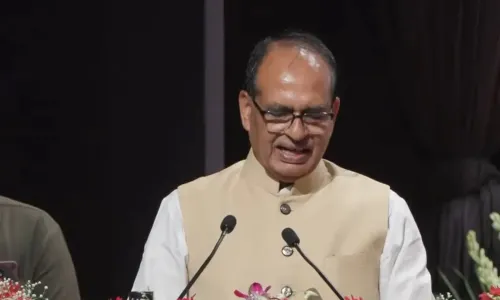
DBT was initiated by Dr M.L.
Jat , Director General of ICAR, at Punjab Agricultural University , Ludhiana.
India's agricultural carbon market has reached the farm level, with more than ₹2.9 crore to be disbursed digitally among 2,550 small and marginal farmers in Punjab and Haryana as payment for adopting regenerative farming practices, the Ministry of Agriculture said on 17 September 2026. The payments mark the country's first large-scale farmer-level carbon credit settlement, bridging sustainable agriculture with direct income support.
How the Payments Were Rolled Out
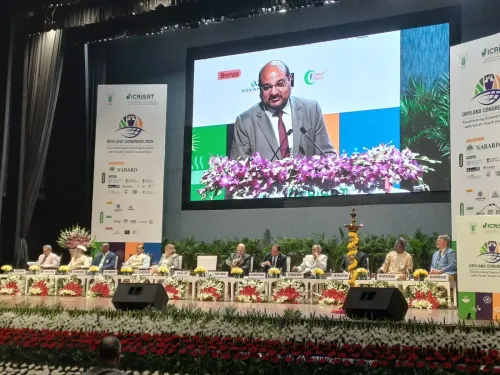
The first tranche was formally released at a programme held at Punjab Agricultural University (PAU) in Ludhiana, where Dr M.L. Jat, Secretary of the Department of Agricultural Research and Education (DARE) and Director General of the Indian Council of Agricultural Research (ICAR), initiated the Direct Benefit Transfer (DBT) to enrolled farmers. The initial issuance covered approximately 30,000 acres and generated more than 50,000 carbon credits, with individual farmers receiving between ₹3,000 and ₹15,000 each, depending on their contribution.
The 'Aadi' Programme and Farming Practices
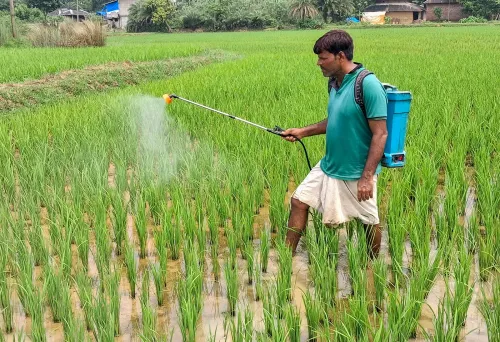
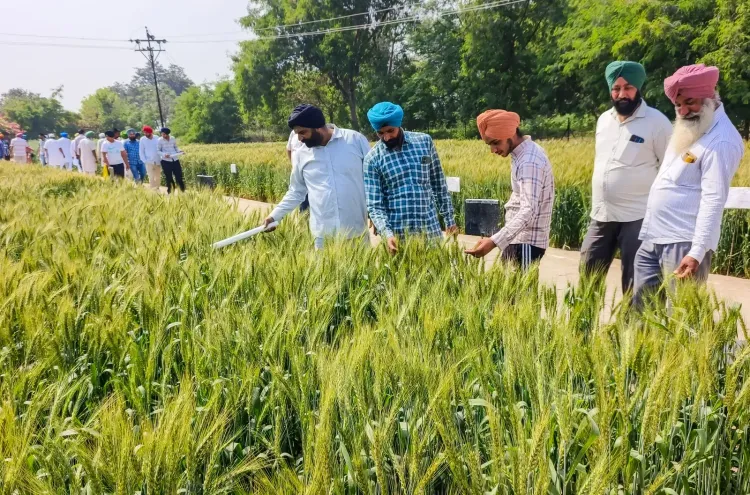
The payments flow from 'Aadi', a farmer carbon programme run by Grow Indigo and launched in 2019 with technical guidance from ICAR. Between 2019 and 2022, participating farmers adopted practices including Direct Seeded Rice (DSR), reduced tillage, and crop residue management. The greenhouse gas reductions and soil carbon increases generated by these practices were independently measured and verified before credits were issued under the internationally recognised Verra VM0042 methodology.
Grow Indigo released the payments digitally from its own funds ahead of full credit sales, allowing farmers to receive income without waiting for sale proceeds. Enrolled farmers could choose between an assured upfront payment or 75 per cent of net carbon revenue after credits were sold. Farmers who joined after 2022 will receive payments in the next monitoring cycle as their credits are issued.
Scale and Environmental Impact
The programme now covers more than two million acres and over 1,00,000 farmers across seven states. For fields enrolled during 2019–2022, the programme estimates savings of 45 billion litres of water and more than 2 lakh tonnes of crop residue diverted from burning, avoiding an estimated 1,000 tonnes of PM2.5 emissions. The use of Direct Seeded Rice reportedly reduces irrigation requirements compared with conventional paddy transplanting, while improved residue management directly addresses stubble burning — a persistent source of air pollution across the Indo-Gangetic Plain each winter.
ICAR's Scientific Role
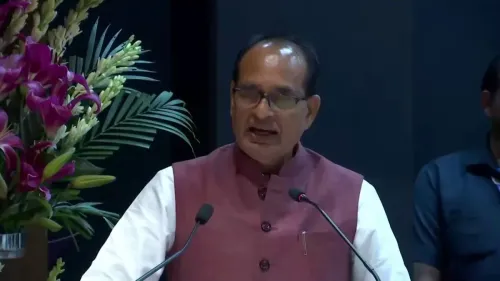
ICAR institutions contributed expertise spanning greenhouse gas accounting, crop-simulation modelling, soil-sampling protocols, device validation, field-team training, and satellite and remote-sensing approaches. Dr Jat said the initiative demonstrates how 'climate-smart farming practices, backed by scientific assessment and rigorous verification, can create additional income opportunities for small farmers while contributing to water conservation and improved air quality.'
What Comes Next
This payout is the opening phase of a longer rollout. With the programme operational across seven states and more farmers entering successive monitoring cycles, the volume of credits — and payments — is expected to grow. The scale of the Aadi programme positions it as a potential template for India's emerging national carbon market framework, whose policy architecture is still being finalised.
Point of View
But actual money reaching actual farmers has been scarce. This payout is notable precisely because it closes that gap — verified credits, independent measurement, direct digital transfer. The harder question is scale: 2,550 farmers across Punjab and Haryana is a start, not a system. The Verra methodology and ICAR's scientific scaffolding give this credibility that state-run schemes often lack, but with India's national carbon framework still being drafted, there is no guarantee that what Grow Indigo built privately will translate into a replicable public architecture. Stubble burning costs Delhi its air every October; a programme that provably reduces residue fires deserves fast-tracked policy integration, not just a launch event.
NationPress
17 Sept 2026
Frequently Asked Questions
What are soil carbon payments and why are farmers in Punjab and Haryana receiving them?
Soil carbon payments are financial rewards given to farmers for adopting practices that reduce greenhouse gas emissions or increase carbon stored in soil. Farmers in Punjab and Haryana enrolled in the 'Aadi' programme between 2019 and 2022 and adopted practices such as Direct Seeded Rice, reduced tillage, and crop residue management; their resulting carbon reductions were verified and converted into credits, which are now being paid out as over ₹2.9 crore to 2,550 participants.
How much will each farmer receive under this carbon credit scheme?
Individual payouts range from approximately ₹3,000 to ₹15,000, depending on each farmer's share of the verified carbon credits generated from their fields. Farmers could opt for an assured upfront payment or 75 per cent of net carbon revenue after the credits were sold.
What is the 'Aadi' programme by Grow Indigo?
'Aadi' is a farmer carbon programme launched in 2019 by Grow Indigo, with technical support from ICAR. It enrolls farmers to adopt climate-smart practices, measures and independently verifies the resulting greenhouse gas reductions, and issues carbon credits under the internationally recognised Verra VM0042 methodology. The programme now covers more than two million acres and over 1,00,000 farmers across seven states.
What environmental benefits has the programme delivered so far?
For fields enrolled during 2019–2022, the programme estimates savings of 45 billion litres of water and the diversion of more than 2 lakh tonnes of crop residue from burning, avoiding an estimated 1,000 tonnes of PM2.5 emissions. Direct Seeded Rice also reportedly reduces irrigation needs compared with conventional paddy transplanting.
When will farmers who joined after 2022 receive their payments?
Farmers who enrolled after 2022 are part of the next monitoring cycle and will receive payments once their carbon credits have been measured, verified, and issued, following the same multi-year process applied to the current cohort.