India's narco threat deepens: pharma diversion, Golden Triangle cartels, highway smuggling
Synopsis
India's drug crisis has moved well beyond border seizures. NCB data from 2020–2024 exposes three converging threats: pharmaceutical diversion flooding eastern states with diverted codeine and tablets, Haryana's highway grid functioning as a national narcotics transit hub, and the Manipur corridor channelling Golden Triangle heroin and synthetics into the country — all while Punjab absorbs ISI-backed supply at scale.
Key Takeaways
West Bengal recorded the highest codeine-based cough syrup seizures nationally — 27.50 lakh bottles between 2020 and 2024 .
Assam led tablet seizures with 1.72 crore tablets recovered in the same five-year period.
Haryana has emerged as a major highway transit corridor; agencies seized 1,465.99 kg of opium , 51,074 kg of marijuana , and 74,828 kg of poppy husk along this route.
Punjab saw 62,245 arrests and 5,942.29 kg of heroin seized over five years; officials attribute sustained supply to an ISI-backed network .
The Manipur corridor is directly linked to the Golden Triangle (Myanmar, Thailand, Laos), with international cartels dealing primarily in heroin and synthetic drugs.
The NCB has flagged pharmaceutical diversion, highway exploitation, and northeastern trafficking routes as the three priority focus areas going forward.
Indian security and narcotics agencies are confronting a multi-front drug crisis, as fresh data from the Narcotic Control Bureau (NCB) reveals a sharp rise in pharmaceutical drug diversion, the exploitation of national highway corridors for trafficking, and deepening links to international cartels operating through the Golden Triangle. The threat is no longer confined to border states — it now cuts across Bihar, West Bengal, Assam, Tripura, Punjab, Haryana, and the northeastern frontier.
Pharmaceutical Diversion: The Hidden Pipeline
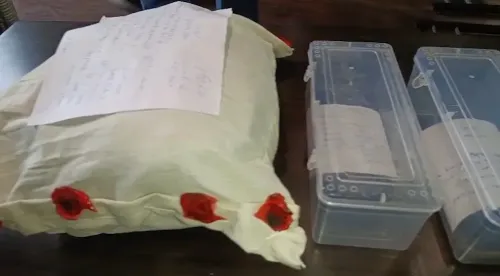
Among the most alarming emerging trends is the systematic diversion of legally manufactured pharmaceutical products into illicit networks. West Bengal leads the country in codeine-based cough syrup seizures, with agencies recovering 27.50 lakh bottles between 2020 and 2024, according to the NCB. In Assam, the same five-year window saw the seizure of 1.72 crore tablets — the highest tablet-seizure figure recorded in any single state nationally. Tripura also reported significant recoveries of both tablets and codeine-based syrups during this period.
Officials say this trend reflects a deliberate exploitation of India's large generic pharmaceutical manufacturing base, where diverted medicines are re-routed into street-level drug markets. The NCB has flagged the need for tighter supply-chain monitoring across chemical and pharmaceutical supply lines.
Haryana's Highway Corridor: A National Transit Hub
Recent seizure data has brought Haryana into sharp focus as a critical narcotics transit corridor. According to an Intelligence Bureau official, the state's extensive road and rail connectivity makes it a preferred route for traffickers linking Delhi-NCR, Punjab, Uttar Pradesh, Rajasthan, Uttarakhand, Himachal Pradesh, Jammu and Kashmir, and Ladakh.
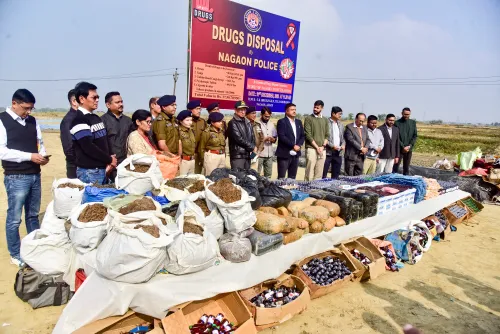
Between 2020 and 2024, agencies operating along this corridor seized 1,465.99 kg of opium, 51,074 kg of marijuana, and 74,828 kg of poppy husk. The NCB has identified the need for extensive highway interdiction operations and improved logistics monitoring to choke these supply lines.
Manipur and the Golden Triangle Threat
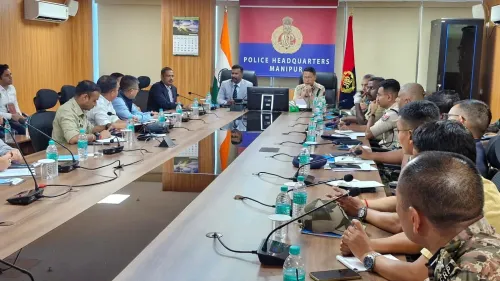
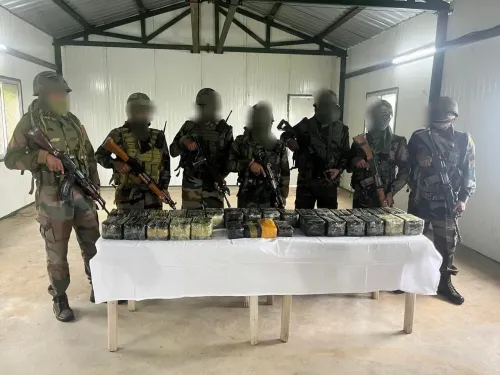
Officials describe Manipur as a high-value trafficking risk zone, directly linked to the Golden Triangle — the convergence of Myanmar, Thailand, and Laos — where powerful international cartels produce and export synthetic drugs and heroin into India. The Manipur route is characterised by a higher density of foreign operatives compared to other corridors, officials noted.
Heroin accounts for the highest volume of seizures on this route, according to the NCB. The involvement of international players adds a layer of operational complexity that domestic interdiction alone cannot address, officials say.
Punjab: The Epicentre, With a Cross-Border Dimension
Despite the spread of trafficking across multiple states, Punjab remains the most acute flashpoint. Over the five-year period from 2020 to 2024, agencies in the state arrested 62,245 persons and seized 5,942.29 kg of heroin. Officials have stated that Pakistan's Inter-Services Intelligence (ISI) has been actively pushing drugs into Punjab and has reportedly established an entrenched network in the state.
This comes amid longstanding concerns that cross-border narcotics trafficking into Punjab is being used as an instrument of economic and social destabilisation, according to officials.
Regional Consumption Patterns and the Road Ahead
NCB data also maps distinct regional preferences in drug consumption. Heroin dominates in the northeastern states; Delhi sees high demand for cocaine, mephedrone, and ephedrine; Jammu and Kashmir records the highest preference for heroin and hashish; Bihar and Jharkhand lean toward opium and poppy; and Odisha shows the highest consumption of marijuana.
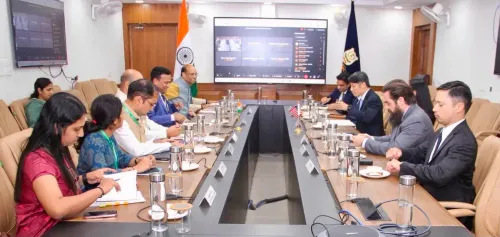
Officials say the scale of the challenge demands intensive coordination between Central agencies, state police forces, and the Intelligence Bureau. The Union Government's declared 'drug-free India' campaign has accelerated enforcement, but officials acknowledge that tackling international cartels, pharmaceutical diversion, and highway networks simultaneously will require sustained, multi-agency effort. The next phase of operations is expected to focus on highway interdiction, supply-chain audits of pharmaceutical firms, and enhanced intelligence-sharing with neighbouring countries.
Point of View
Transport infrastructure, and state-level enforcement capacity. The codeine diversion numbers from West Bengal and the tablet figures from Assam suggest that legal manufacturing pipelines are being systematically exploited, a gap that drug policy has historically underweighted relative to border interdiction. Meanwhile, framing Punjab's heroin crisis primarily through an ISI lens, while operationally accurate, risks obscuring the domestic demand and distribution networks that make the supply viable. A durable counter-narcotics strategy will need to address both the cross-border supply and the local ecosystems that absorb it — and the two require very different policy instruments.
NationPress
11 Oct 2026
Frequently Asked Questions
What is pharmaceutical drug diversion and why is it rising in India?
Pharmaceutical drug diversion refers to the illegal redirection of legally manufactured medicines — such as codeine-based cough syrups and prescription tablets — into illicit drug markets. The NCB has flagged a sharp rise in such cases across West Bengal, Assam, Bihar, and Tripura, with West Bengal recording 27.50 lakh codeine bottles seized between 2020 and 2024.
Why has Haryana become a major drug trafficking corridor?
Haryana's extensive road and rail connectivity links it to Delhi-NCR, Punjab, Uttar Pradesh, Rajasthan, Uttarakhand, Himachal Pradesh, Jammu and Kashmir, and Ladakh, making it an attractive transit route for smugglers. Between 2020 and 2024, agencies seized 1,465.99 kg of opium, 51,074 kg of marijuana, and 74,828 kg of poppy husk along this corridor.
What is the Golden Triangle and how does it connect to India's drug crisis?
The Golden Triangle is the convergence zone of Myanmar, Thailand, and Laos, one of the world's largest opium and synthetic drug producing regions. Drugs manufactured there enter India primarily through the Manipur route, where international cartel operatives are reportedly more active than in other corridors, according to officials.
What is the scale of Punjab's drug problem and what is the ISI's alleged role?
Punjab recorded 62,245 arrests and 5,942.29 kg of heroin seized between 2020 and 2024 — the most severe concentration of the crisis nationally. Officials have stated that Pakistan's Inter-Services Intelligence (ISI) has been actively pushing drugs into the state and has reportedly built an entrenched trafficking network there.
How do drug consumption patterns vary across Indian states?
According to NCB findings, heroin is the dominant substance in the northeastern states and Jammu and Kashmir, while Delhi sees high demand for cocaine, mephedrone, and ephedrine. Bihar and Jharkhand show preference for opium and poppy, and Odisha records the highest marijuana consumption. Each region's profile reflects both geographic proximity to supply routes and local demand patterns.