Indresh Kumar: Reassurance on Oil and Gas Resources Amid Global Concerns
Synopsis
At an Eid Milan event in Delhi, Indresh Kumar, RSS leader, reassured citizens about India's oil and gas resources, asserting no shortages exist. He highlighted India's energy policy advancements while calling for peace in West Asia and electoral integrity.
Key Takeaways
India has sufficient oil and gas resources .
Call for peace in West Asia is vital.
Electoral integrity is crucial for democracy.
National unity must be reinforced through collective efforts.
Vision for Developed India 2047 emphasizes education and social harmony.
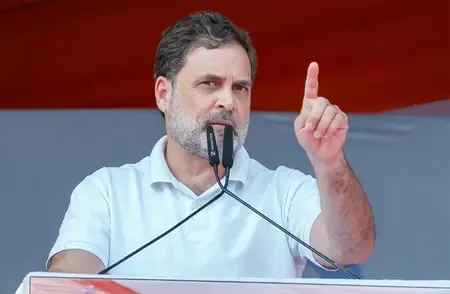
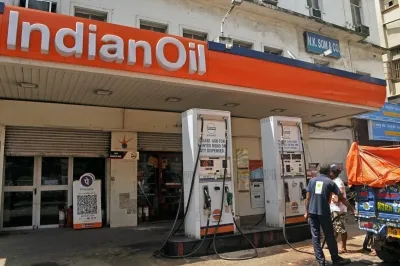
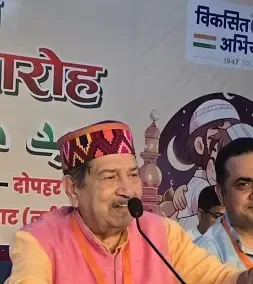
New Delhi, March 29 (NationPress) At an Eid Milan event in Delhi, Indresh Kumar, the Convenor of the Muslim Rashtriya Manch (MRM) and a leader of the Rashtriya Swayamsevak Sangh (RSS), urged citizens to refrain from panicking regarding the supply of oil and gas, asserting that the nation is not facing any resource shortages.
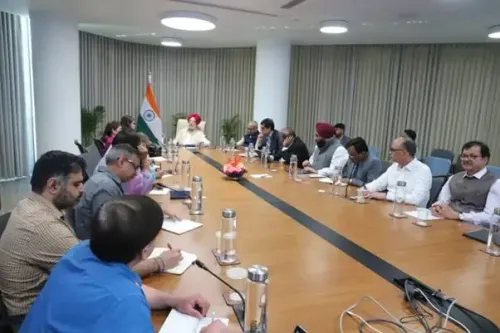
Kumar called for an immediate cessation of the conflict in West Asia and facilitated discussions on peace, electoral processes, and global issues at the Gandhi Smriti Darshan Satyagraha Mandap in Rajghat, where the national executive meeting of the organization took place.
A statement released during the event indicated that topics such as escalating tensions in West Asia, international concerns regarding oil supplies, and India’s strategic standing were thoroughly examined.
Indresh Kumar stated, “India is in a position of strength today. Despite the global tensions, we should have faith in our own capabilities. The Union government has made it clear that our country can fulfill its energy requirements.”
This declaration came amid rising discussions about a possible energy crisis worldwide.
Experts and attendees at the gathering concurred that India has made significant advancements in its energy policy in recent years.
“The diversification of import sources, establishment of strategic reserves, and an increasing focus on alternative energy have bolstered the nation’s self-reliance,” the participants noted.
“Thus, even during sudden crises, India can manage effectively, and there is no cause for the general public to panic,” they emphasized.
Regarding elections, Indresh Kumar highlighted that a robust democracy requires a completely transparent and secure electoral process.
The veteran RSS leader stressed the necessity of strictly controlling “infiltrators,” noting that any discrepancies in voter rolls or the electoral procedure could threaten national unity and security.
Following his comments, other speakers also expressed their thoughts on electoral integrity, national security, and social consciousness.
Many speakers pointed out that free and fair elections are not solely the obligation of political parties; they necessitate active involvement from all societal segments.
Concerns were raised regarding the growing social divisions within the nation and the dissemination of misinformation via social media.
“Speakers underscored that rumors can spread quickly in today’s digital landscape, leading to societal confusion and tension. In such circumstances, accurate information, open dialogue, and awareness are the most effective remedies,” they noted.
Framed as a form of “Eid Diplomacy,” the event conveyed that festivals are not merely times for celebration but also opportunities to foster dialogue and seek solutions.
The gathering saw significant participation, reflecting its scale and relevance. Intellectuals, academicians, and social activists from various parts of the country engaged actively.
Notable attendees included Zakir Hussain (Administrator, Haryana Waqf Board), Mohammad Afzal (National Convener, Muslim Rashtriya Manch), Shahid Akhtar (Acting Chairman, National Commission for Minority Educational Institutions), and Shalini Ali (social activist).
Other distinguished participants included Majid Talikoti (Honorary Health Commissioner, India-GCC Trade Council), Colonel Tahir Mustafa (Registrar, Jamia Hamdard University), Qari Abrar Jamal (Chairman, Jamiat Himayat-ul-Islam), Padma Shri Dilshad Hussain, Afser Alam (Vice-Chancellor, Jamia Hamdard University), and Mahtab Alam Rizvi (Registrar, Jamia Millia Islamia).
The statement noted that Shams Iqbal (Director, National Council for Promotion of Urdu Language), Acharya Yeshi Phuntsok (former Vice President, Tibetan Parliament-in-Exile), Syed Raza Hussain Rizvi (former member, Press Council), Abu Bakar Naqvi (former Chairman, Rajasthan Waqf Board), Mazahir Khan (former member, UP Madrasa Board), Syed Ziyarat Haqqani from the Sufi Shah Malang community, and Rizwan Khan (Head, English Department, Aligarh Muslim University) were also in attendance.
All guests emphasized the importance of fostering brotherhood, enhancing education, raising social awareness, and reinforcing national unity through their statements.
The document released during the event stated that ensuring the nation remains free from riots, violence, and terrorism is the duty of every citizen.
The meeting also involved extensive discussions regarding the vision of “Developed India 2047.”
Speakers asserted that achieving this goal requires equal attention to education, healthcare, employment, and social cohesion.
The role of youth was deemed crucial, with a call to provide them with the right direction and opportunities.
Point of View
It's clear that Indresh Kumar's statements reflect a commitment to national security and energy independence. His emphasis on electoral integrity highlights the need for collective responsibility in democracy. The call for unity and social awareness amidst rising tensions is crucial for maintaining national stability.
NationPress
15 Sept 2026
Frequently Asked Questions
What did Indresh Kumar say about oil and gas supply?
Indresh Kumar reassured that India is not facing any shortages in oil and gas resources, urging citizens not to panic.
What were the main topics discussed at the Eid Milan ceremony?
Key discussions included peace in West Asia, India's energy policy, electoral integrity, and the need for social awareness.
Who were some notable attendees at the event?
Prominent attendees included Zakir Hussain, Mohammad Afzal, and Shalini Ali, among others from various sectors.
What is the vision of 'Developed India 2047'?
The vision focuses on achieving advancements in education, healthcare, employment, and social harmony for the future.
How can citizens contribute to national unity?
Citizens are encouraged to promote brotherhood, education, and social awareness to ensure peace and stability.