Smriti Irani Marks Modi's Record PM Tenure Milestone
Synopsis
BJP leader Smriti Irani marked PM Narendra Modi's 4,399-day tenure on 10 June 2026, describing it as the longest by an elected Prime Minister in India's democratic history and calling the period 'the most consequential.' The post is part of the BJP's sustained communication strategy around leadership continuity.
Key Takeaways
BJP leader Smriti Irani posted on X on 10 June 2026 marking 4,399 days of PM Modi's tenure.
Modi has served three consecutive terms beginning 26 May 2014 , 30 May 2019 , and 9 June 2024 .
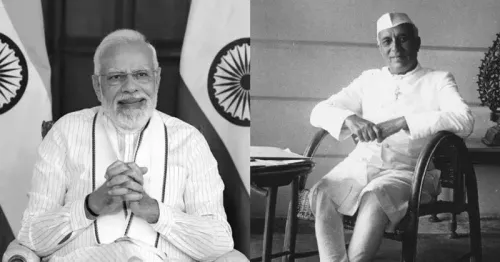
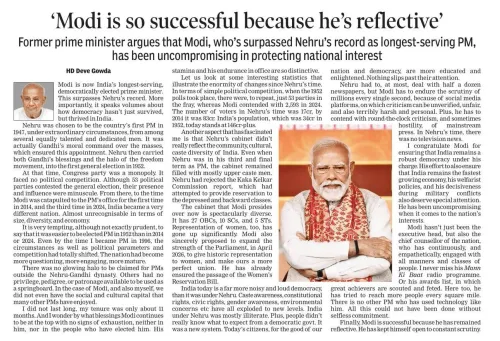
The BJP frames the milestone as the longest tenure by an 'elected' Prime Minister, distinguishing it from Jawaharlal Nehru 's longer but pre-election-era continuous service.
The tenure record claim has been a subject of ongoing political and academic debate, with the research noting it is unverified.
The post forms part of the BJP's broader communication strategy around governance stability ahead of future electoral cycles.
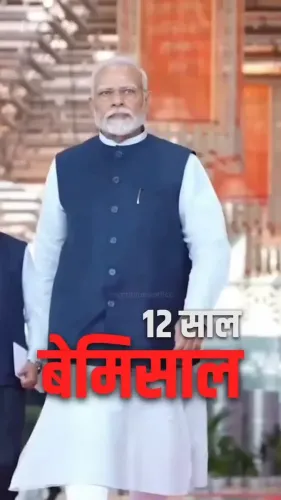
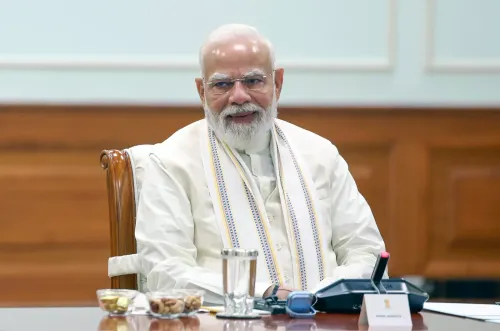
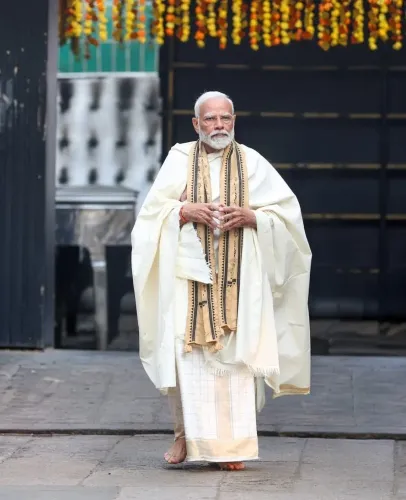
Senior BJP leader Smriti Irani on Wednesday, 10 June 2026, took to X to mark what she described as 4,399 days of Prime Minister Narendra Modi's tenure — calling it 'not just the longest tenure by an elected Prime Minister in India's democratic history, but the most consequential one.'
Context
Narendra Modi was first sworn in as Prime Minister on 26 May 2014 following the BJP-led NDA's decisive victory in the 14th general elections. He began a second consecutive term on 30 May 2019 after the BJP returned with an increased parliamentary majority, and commenced a third term on 9 June 2024 after the NDA again secured a mandate at the general elections.
Irani's post, tagged #LongestServingElectedPMModi, frames the milestone in terms of both duration and impact, describing the period as 'the most consequential' in India's post-independence democratic experience.
Policy Backdrop
The BJP has consistently used tenure-related messaging as a marker of governmental stability, particularly in contrast to the coalition fragility that characterised several earlier governments. Milestone anniversaries — including the completion of each year in office — have regularly been accompanied by coordinated social media campaigns from party leaders and ministers.
India's first Prime Minister, Jawaharlal Nehru, served continuously from 1947 to 1964 — a span of over 16 years. Nehru, however, assumed office at Independence before competitive multi-party general elections were fully established in their current form, which is the basis on which the BJP frames Modi's tenure as a record among 'elected' prime ministers. The distinction between historical and elected-tenure records has been a point of ongoing political and academic debate.
Stakeholders and Impact
The post is directed primarily at BJP supporters and the party's wider social media ecosystem, reinforcing a leadership narrative ahead of future electoral cycles. Political commentators have noted that such messaging serves a dual purpose: consolidating the party's base while projecting an image of uninterrupted, stable governance to undecided voters.
Opposition parties have previously contested the framing of Modi's tenure as a record, pointing to Nehru's longer uninterrupted service. Formal responses from opposition leaders or parliamentary groups to this specific post had not emerged at the time of publication.
What's Next
As the NDA government moves deeper into its third term, BJP communication is expected to increasingly anchor its messaging around governance continuity and the scale of policy delivery across 12 years in office. Official statistical or constitutional bodies have not issued any independent certification of the tenure claim. Whether opposition parties choose to formally contest the characterisation — in Parliament or through public statements — will shape how this narrative develops in the months ahead.
Point of View
Using a numerical milestone to project an image of unmatched democratic legitimacy. The qualifier 'elected' does meaningful work here — it sidesteps the historically documented longer service of Jawaharlal Nehru while still making a record claim that resonates with the BJP's base. This kind of milestone messaging is a well-worn tool in the party's communication playbook, typically deployed to frame governance continuity as a voter-facing asset. As the NDA enters the latter half of its third term, expect this longevity framing to intensify as the party begins laying the groundwork for the next electoral cycle.
NationPress
26 Oct 2026
Frequently Asked Questions
How many days has PM Modi been in office as of June 2026?
According to a post by BJP leader Smriti Irani on 10 June 2026, PM Narendra Modi had completed 4,399 days in office. Modi was first sworn in on 26 May 2014 and has since served three consecutive terms.
Is Modi the longest-serving Prime Minister in India?
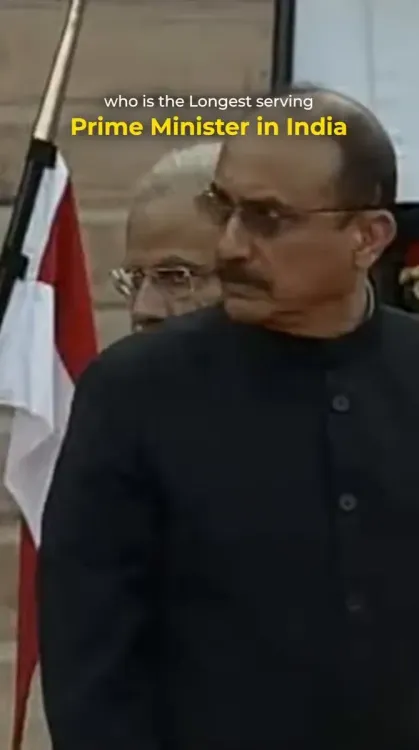
The BJP frames Modi as the longest-serving 'elected' Prime Minister in India's democratic history. However, India's first Prime Minister Jawaharlal Nehru served continuously from 1947 to 1964 — over 16 years — making this a contested claim that depends on how the record is defined.
When did Narendra Modi become Prime Minister for the first time?
Narendra Modi was first sworn in as Prime Minister of India on 26 May 2014, following the BJP-led NDA's victory in the 2014 general elections.
How many terms has PM Modi served?
PM Narendra Modi has served three consecutive terms: beginning in May 2014, May 2019, and June 2024, each following a general election victory for the BJP-led NDA.
What is the BJP's #LongestServingElectedPMModi hashtag about?
The hashtag was used by BJP leader Smriti Irani in a June 2026 post to mark PM Modi's 4,399-day tenure, framing it as the longest by any elected Prime Minister in India's post-independence democratic history.