The ISI's Global Strategy: Linking Khalistan to Islamic State Threats Against India

Synopsis
Concerns are rising over Pakistani-origin individuals abroad joining Islamic State, posing threats to Indian interests internationally. As the ISI seeks to leverage both Khalistani factions and IS operatives, vigilance is paramount for India's safety on a global scale.
Key Takeaways
Increasing Threat: The number of Pakistani-origin individuals abroad aligning with the Islamic State is rising.
ISI's Strategy: The ISI is using both Khalistani elements and IS operatives to target India.
Vulnerable Targets: Hindu temples and Indian diplomatic missions are at high risk.
Global Reach: ISI aims to expand its influence and recruit in various countries.
Urgent Vigilance: Indian missions need to remain alert against these threats.
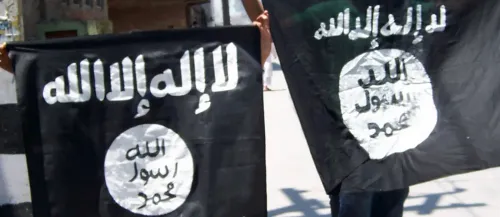
New Delhi, April 10 (NationPress) There is an increasing alarm regarding the number of individuals of Pakistani descent residing overseas who have aligned themselves with the Islamic State. According to Indian intelligence agencies, these individuals represent a significant threat to nations such as the United States, Canada, and various European countries.
An official from the Intelligence Bureau indicated that these individuals are actively attempting to undermine Indian interests internationally. The Islamic State has been focusing on recruiting individuals of Pakistani origin with the aim of orchestrating attacks against Indian assets abroad.
The official further noted that this strategy mirrors what the ISI anticipates from Khalistani factions. The ISI aims to utilize both Khalistani supporters and individuals inspired by the Islamic State to target Indian interests.
Among the potential targets are Hindu temples, Indian diplomatic missions, and sites associated with the Jewish-Indian community. This indicates a significant plan by the ISI that extends beyond Indian borders, as they seek similar recruits in multiple countries to inflict damage on India globally.
The ISI is formulating various tactics to strike at India. Recent investigations by several agencies have unveiled that the ISI is attempting to establish homegrown terrorist cells. They have intensified their propaganda efforts, encouraging the youth to self-recruit and create operational modules.
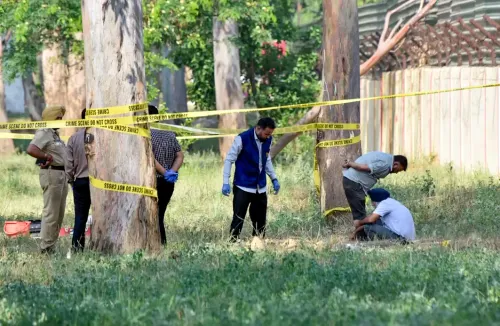
The Faridabad module serves as a prime example of this initiative. In addition to targeting India by establishing local terror cells, the ISI has devised a strategy that transcends India's borders.
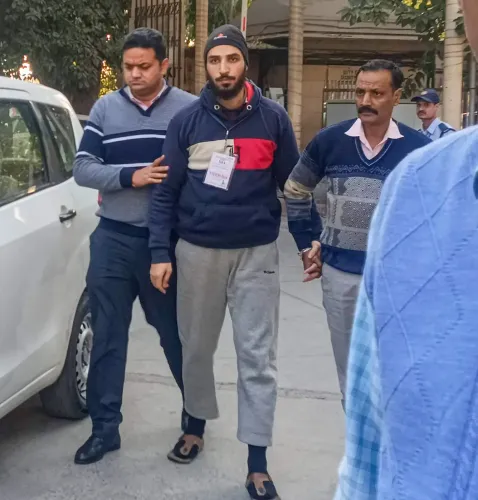
The recent admission by a Pakistani-origin individual in Canada underscores the activation of the ISI's international agenda. Muhammad Shahzzeb Khan, arrested near the US-Canada border while attempting to illegally enter the United States with the aid of a human smuggler, confessed in a US federal court to planning an attack on a Jewish center in Brooklyn.
Khan, who was apprehended in September 2024, now faces the possibility of life imprisonment after pleading guilty to terrorism-related charges. He revealed intentions to launch an assault on a Jewish center on October 7, coinciding with the anniversary of the Hamas attack on Israel.
Another official stated that with such schemes underway, Indian diplomatic missions must remain highly vigilant. The ISI is increasingly relying on lone actors to execute these attacks, which not only threaten India's interests but also instill fear and anxiety within the Indian diaspora.
The Khalistani movement has previously caused disruptions in the US, UK, and Canada, and now the ISI is keen on utilizing Islamic State operatives to carry out similar actions.
While the Khalistani threat remains substantial, the ISI's plan to leverage these lone actors poses an exceptionally grave danger.
According to another official, these attacks are designed for maximum destruction and to convey a message to India that its citizens and interests are vulnerable everywhere.
For the ISI, executing such attacks is critically important, especially in light of the embarrassment Pakistan experienced after Operation Sindoor. This operation, conducted by the Indian Armed Forces in response to the Pahalgam attack, resulted in significant damage to terror infrastructure in both Pakistan-occupied Kashmir (PoK) and Pakistan. In an effort to retaliate and regain its reputation, the ISI has developed multiple strategies aimed at inflicting harm on India both domestically and internationally.
Point of View
Khalistani elements, and Islamic State operatives illustrates a multi-faceted threat that requires immediate attention and strategic countermeasures to safeguard Indian interests abroad.
NationPress
20 Sept 2026
Frequently Asked Questions
What is the connection between ISI and Islamic State?
The ISI is reportedly leveraging individuals associated with the Islamic State to target Indian interests overseas, similar to their strategy with Khalistani factions.
What are the potential targets of these attacks?
Potential targets include Hindu temples, Indian diplomatic missions, and locations linked to the Jewish-Indian community.
What evidence supports the claims of ISI's international agenda?
The confession of Muhammad Shahzzeb Khan, who planned an attack on a Jewish center in Brooklyn, serves as a significant piece of evidence linking ISI's strategies to international plots.
How is the Indian government responding to these threats?
Indian agencies are on high alert and are investigating potential threats posed by these individuals to ensure the safety of Indian interests abroad.
What actions are being taken to combat these threats?
Multiple agencies are working to dismantle homegrown terror modules and counter ISI propaganda aimed at recruitment.