ISI's Shehzad Bhatti runs anti-India perception network via social media recruits
Synopsis
An ISI-backed operative named Shehzad Bhatti has built a multi-module network inside India that recruits disgruntled social media users, trains them to amplify anti-India narratives, and may be preparing to target Punjab with a Khalistan-linked campaign — even as Maharashtra ATS raids over 200 locations to dismantle existing cells.
Key Takeaways
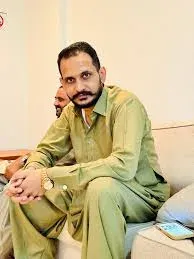
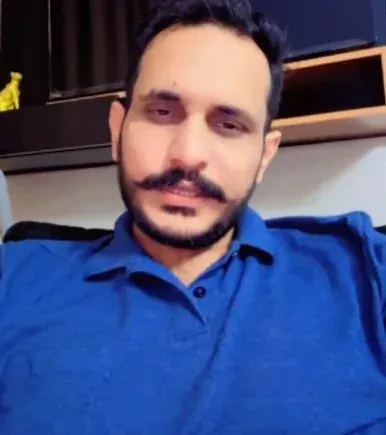
Shehzad Bhatti , an ISI -backed operative, is running a social media-based anti-India perception network from Pakistan .
Recruits are identified through anti-establishment posts and given escalating tasks, from posting content to eventually distributing ISI-supplied material.
Bhatti has set up multiple modules in India — for attacks, surveillance, and perception warfare — each operating independently.
The Maharashtra ATS has raided over 200 locations in connection with the case, busting at least one perception-warfare module.
At least 11 Pakistani handlers are reportedly involved, each using individual social media handles to recruit Indian youth.
Officials warn Bhatti's next operation may target Punjab , linked to efforts to revive the Khalistan movement.
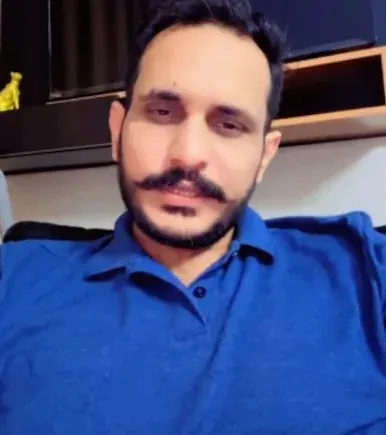
Shehzad Bhatti, an Inter-Services Intelligence (ISI)-backed operative based in Pakistan, has been systematically using social media to recruit Indian nationals and deploy them in a coordinated perception war against India, according to security officials. The network, which spans multiple states, is designed to manufacture and amplify anti-India narratives both domestically and internationally.
How the Recruitment Works
According to officials, Bhatti and his aides closely monitor social media activity — particularly comments and posts that express dissatisfaction with the government or public authorities. Individuals who make such posts are flagged as potential recruits and subsequently contacted by members of the Bhatti network.
Once contacted, recruits are initially assigned minor tasks: posting against the establishment, amplifying negative commentary around domestic incidents, and engaging with content to boost its algorithmic reach. Officials say the intent is to gradually deepen their involvement before providing them with centrally directed content from Bhatti's Pakistan-based team.
Structure of the Modules
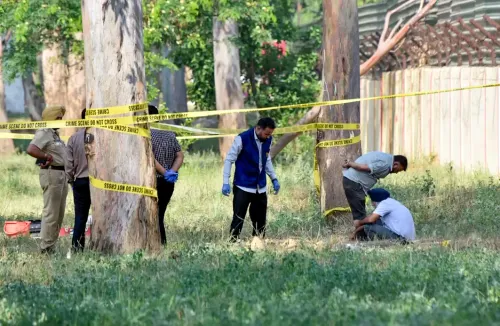
Security officials say Bhatti has established several distinct operational modules inside India, each with a separate function. Some modules are tasked exclusively with attack planning. Others focus on surveillance — gathering intelligence on sensitive and crowded locations, and reportedly installing solar-powered CCTV cameras in strategic areas.
A dedicated module, described by an Intelligence Bureau (IB) official as 'extremely dangerous,' is focused solely on the perception battle — posting anti-establishment content and amplifying incidents that reflect poorly on India. Bhatti, who was himself a social media influencer before being recruited by the ISI, reportedly brings direct knowledge of viral content mechanics to this operation.
Maharashtra ATS Crackdown
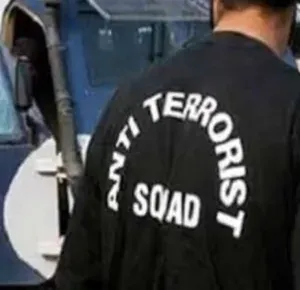
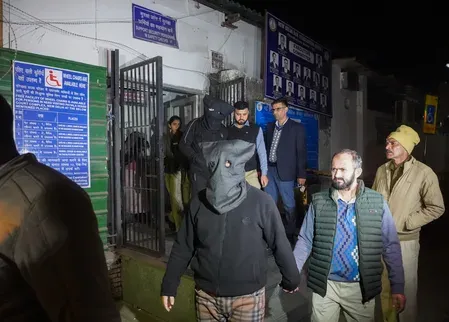
The Maharashtra Anti-Terrorism Squad (ATS) has already busted one such module, conducting raids at over 200 locations across the state in connection with the Bhatti case. Officials, however, caution that the network's decentralised structure means new modules are likely being set up even as existing ones are dismantled.
Apart from Bhatti, the Pakistani handlers reportedly controlling these modules include Abu Musa, Amjal Gujjar, Abit Jat, Rana Husen, Abdul Memon, Munna Jhingada, Farooq Khokar, Zafar Supari, Shani Tiger, Sheikh Salman, and Sarfaraz Dongar. Each handler reportedly operates individual social media accounts used to recruit Indian youth.
Punjab and the Khalistan Angle
Officials warn that Bhatti's next major operation could target Punjab, with a focus on the Khalistan issue. The ISI has long sought to revive the separatist movement, and according to officials, Bhatti is expected to be tasked with establishing new modules in the state to that end. This comes amid a broader pattern of Pakistan-linked operatives attempting to exploit regional fault lines to destabilise India from within.
What Comes Next
Security agencies across multiple states remain on alert, with officials noting that Bhatti's network is not limited to financially motivated recruits — ideologically susceptible individuals are equally in the crosshairs. As the Maharashtra ATS investigation continues, agencies are expected to share intelligence to pre-empt module formations in other states.
Point of View
Emotionally engaged social media user base is itself an attack surface. The ISI's shift from physical sleeper cells to algorithmically amplified perception modules is a doctrinal evolution — harder to detect, easier to scale, and nearly impossible to attribute. The Maharashtra ATS action is significant, but 200 raids against a decentralised, self-replicating network is closer to symptom management than a cure. The Punjab-Khalistan warning is the detail that deserves the most scrutiny: if Bhatti's model migrates there, it will find a more volatile information environment and a diaspora with global reach.
NationPress
15 Jul 2026
Frequently Asked Questions
Who is Shehzad Bhatti and what is his connection to the ISI?
Shehzad Bhatti is a Pakistan-based operative reportedly backed by the Inter-Services Intelligence (ISI). He was previously a social media influencer before being recruited by the ISI to build and run anti-India perception networks using social media platforms.
How does the Bhatti network recruit Indians?
According to security officials, Bhatti's aides monitor social media for posts expressing dissatisfaction with the government or authorities. Individuals who make such posts are contacted, drawn in with minor tasks, and gradually used to post and amplify anti-India content.
What action has the Maharashtra ATS taken in this case?
The Maharashtra Anti-Terrorism Squad (ATS) has conducted raids at over 200 locations across the state in connection with the Shehzad Bhatti case, successfully busting at least one module involved in the anti-India perception campaign.
Who are the Pakistani handlers linked to the Bhatti network?
Officials have named 11 Pakistani handlers connected to the network: Abu Musa, Amjal Gujjar, Abit Jat, Rana Husen, Abdul Memon, Munna Jhingada, Farooq Khokar, Zafar Supari, Shani Tiger, Sheikh Salman, and Sarfaraz Dongar. Each reportedly uses individual social media accounts to recruit Indian youth.
Is Punjab at risk from the Bhatti network?
Security officials have warned that Bhatti's next major operation could target Punjab, linked to ISI efforts to revive the Khalistan separatist movement. Agencies are reportedly on alert to pre-empt the formation of new modules in the state.