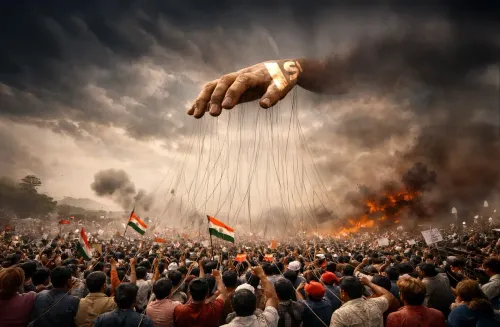
ISI runs 5,000 fake accounts to fuel SIR protest violence, IB warns
Synopsis
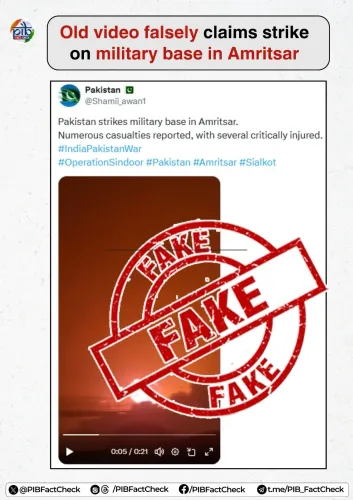
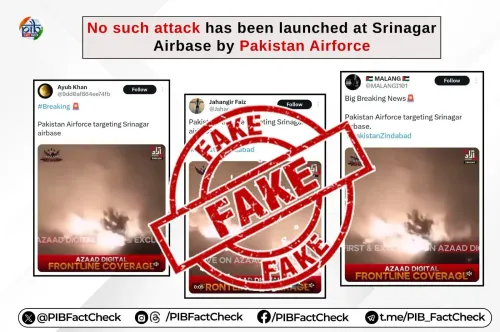
India's Intelligence Bureau has flagged an ISI-linked disinformation blitz tied directly to the anti-SIR protests: more than 5,000 fake social media accounts, dispersed across multiple Pakistani cities, allegedly recruited locals and even Indians under 'Operation Ground Wire' to flood feeds with fabricated police-brutality claims — including a false report that Rahul Gandhi had been shot — before fact-checkers could respond.
Key Takeaways
More than 5,000 fake social media accounts were reportedly created in Pakistan over the past two weeks to spread misinformation amid India's anti-SIR protests .
An Intelligence Bureau (IB) official directly linked the account surge to the ongoing Special Intensive Revision (SIR) protest movement.
Unlike previous operations centred on Rawalpindi and Islamabad , this campaign is reportedly dispersed across Bhimber , Rawalakot , Sialkot , Peshawar , and other locations.
Under alleged Operation Ground Wire , Indians have also reportedly been paid by the ISI to create anti-state content.
A fabricated claim that Congress leader Rahul Gandhi had been shot by Delhi Police was cited by officials as a recent example of the operation's tactics.
The IB and state police are monitoring and reporting accounts, but officials warn that scale and geographic dispersal create an unavoidable takedown lag.
Pakistan's Inter-Services Intelligence (ISI) has allegedly escalated a coordinated disinformation campaign against India, with more than 5,000 fake social media accounts reportedly created over the past two weeks to spread misinformation and incite violence amid the ongoing anti-Special Intensive Revision (SIR) protests, according to intelligence officials. An Intelligence Bureau (IB) official confirmed that the sudden surge in fake accounts is directly linked to the protest movement currently unfolding across the country.
Scale and Scope of the Operation
According to officials, the accounts are being operated by a mix of Indian and Pakistani users — a pattern investigators describe as markedly different from earlier ISI-linked disinformation efforts. Previously, the ISI reportedly concentrated its fake-account operations in hubs such as Rawalpindi and Islamabad, making them relatively easier to trace. This time, operations have been dispersed across multiple locations, including Bhimber, Rawalakot, Tarakhal, Sialkot, Kolti, Mendhar, and Peshawar, among others, officials said.
Individuals across these locations are reportedly being recruited to create social media accounts. The ISI allegedly provides them with specific content and directs them to disseminate it, while also instructing them to tag users in foreign countries to amplify reach.
Fabricated Claims and Viral Tactics
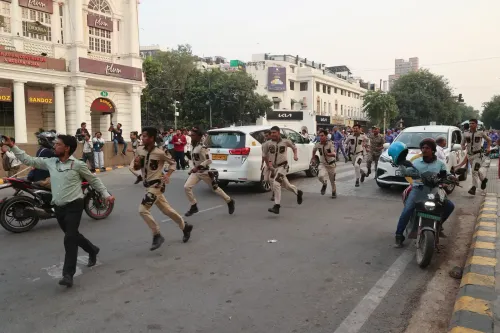
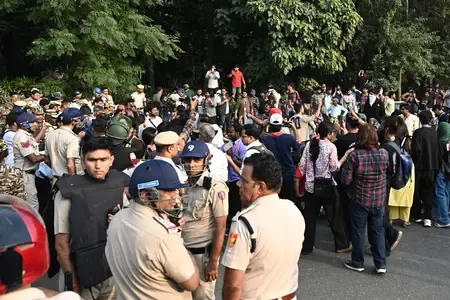
The content being circulated focuses predominantly on the actions of Indian law enforcement agencies, with fabricated claims about police firing, lathi charges, and tear gas use being pushed at regular intervals, according to officials. A particularly alarming recent example, officials said, was a false post alleging that Delhi Police had opened fire and that Congress leader Rahul Gandhi had been injured — a claim designed, according to investigators, to enrage Congress supporters and trigger secondary protests or violence in other cities.
'The intention is to provoke the youth and push them towards violence. The police would be compelled to act if violence breaks out, potentially triggering a chain reaction across the country,' an IB official said.
Why Misinformation Spreads Before Fact-Checks Catch Up
Officials pointed to a structural vulnerability in the information ecosystem: fact-checking audiences remain a small fraction of those who first consume viral content. By the time Indian fact-checking agencies debunk a false claim, it has already shaped public discourse — especially among audiences in smaller towns and villages, where digital media literacy is reportedly lower and word-of-mouth amplification is faster.
'It takes these people days before they get to know what the real information is, and by that time word-of-mouth takes place, and the damage is already done,' an official noted. At protest sites, the vulnerability is compounded because misinformation emerging from a geographically distant location — where conditions cannot be independently verified by those consuming it — spreads almost instantaneously.
Operation Ground Wire: Indians Allegedly Recruited
Officials said the ISI has not confined its recruitment to Pakistani nationals. Under what investigators have described as Operation Ground Wire, several Indians have allegedly been paid to create anti-state content, shifting the narrative and making the operation harder to attribute cleanly to a foreign source. This tactic, officials warned, significantly complicates the IB's monitoring and takedown efforts given the sheer volume involved.
Response and What Comes Next
The Intelligence Bureau and state police are reportedly monitoring flagged accounts in real time and reporting them to platform administrators. However, officials acknowledged that the scale — running into thousands of accounts — creates an inherent lag between identification and takedown, during which the content continues to circulate. Investigators say the decentralised geographic spread of the operation is being studied to refine attribution methods and accelerate future action.
Point of View
Not just a scale-up. What mainstream coverage underweights is the domestic dimension: if Indians are genuinely being recruited under Operation Ground Wire, the threat is no longer purely a cross-border information war but a domestic radicalisation-for-hire problem. The IB's frank admission that 'the damage is already done' by the time takedowns happen is itself a policy indictment — India still lacks a statutory framework to compel platforms to take down nationally harmful content within hours rather than days. The fake Rahul Gandhi 'shooting' post illustrates the sharpest risk: in a high-tension protest environment, a single credible-looking fabrication can trigger real violence before a single fact-check is published.
NationPress
14 Oct 2026
Frequently Asked Questions
What is the ISI disinformation campaign targeting India's SIR protests?
According to Indian intelligence officials, Pakistan's Inter-Services Intelligence (ISI) has allegedly created more than 5,000 fake social media accounts over the past two weeks to spread fabricated claims about police brutality and incite violence amid the ongoing anti-Special Intensive Revision (SIR) protests in India. The operation is reportedly dispersed across multiple Pakistani cities and has allegedly recruited both Pakistani and Indian nationals.
What are the Special Intensive Revision (SIR) protests about?
The anti-SIR protests refer to demonstrations against the Special Intensive Revision process in India. The source material does not provide further detail on the protests' specific demands; however, intelligence officials say the ISI has identified them as an opportunity to amplify social unrest through coordinated disinformation.
Which Pakistani cities are reportedly involved in this operation?
Officials have identified Bhimber, Rawalakot, Tarakhal, Sialkot, Kolti, Mendhar, and Peshawar as locations from which fake accounts are allegedly being operated, in a deliberate shift from earlier ISI hubs concentrated in Rawalpindi and Islamabad.
What is Operation Ground Wire?
Operation Ground Wire is the name investigators have given to an alleged ISI effort to recruit Indian nationals — paying them to create social media content against the Indian state. Officials say this tactic is aimed at obscuring the foreign origin of disinformation and making attribution harder.
How are Indian agencies responding to the fake account surge?
The Intelligence Bureau and state police are continuously monitoring flagged accounts and reporting them to social media platforms for removal. However, officials have acknowledged that the sheer scale of the operation — running into thousands of accounts — creates an inevitable lag between identification and takedown, during which false content continues to circulate.