ISI-backed TTH: New terror network dismantled across 6 Indian states
Synopsis
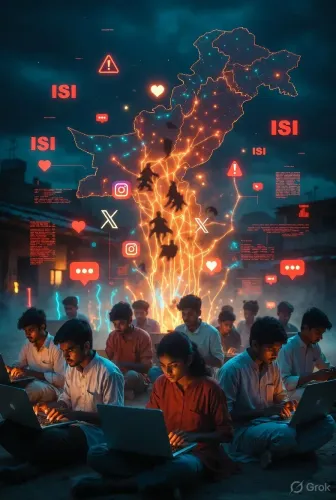
India's security agencies have cracked open what officials describe as the ISI's most ambitious domestic terror project yet — the Tehreek-e-Taliban Hindustan. Unlike past outfits, TTH is designed as a multi-dimensional network spanning narcotics, arms trafficking, counterfeiting, and violence, with recruits from both Hindu and Muslim communities to manufacture the illusion of a homegrown movement.
Key Takeaways
Security agencies have dismantled TTH (Tehreek-e-Taliban Hindustan) modules across Madhya Pradesh, Maharashtra, Punjab, Haryana, Delhi, and Rajasthan .
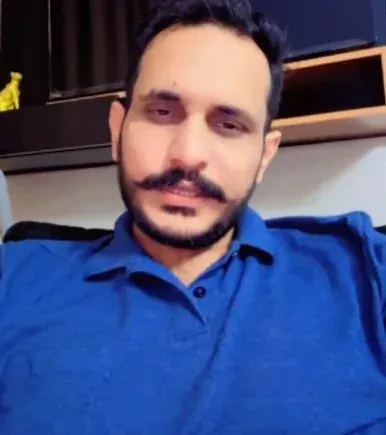
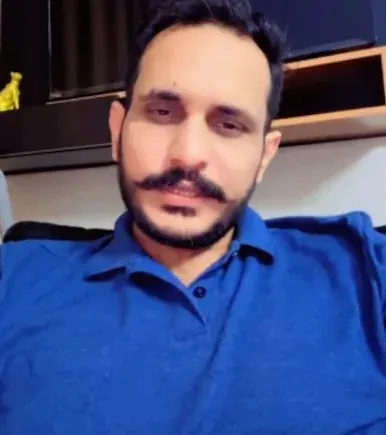
The network is allegedly directed by Shahzad Bhatti , an ISI -linked operative based in Dubai and Pakistan .
TTH was designed to recruit both Muslim and Hindu youth to appear as a homegrown Indian organisation.
The outfit's plans reportedly include narcotics smuggling, arms trafficking, counterfeiting, online radicalisation, and targeted violence.
Officials warn the ISI considers TTH a top-priority project and will persist despite early disruptions.
A key propaganda goal is to falsely link Indian agencies to the Tehreek-e-Taliban Pakistan (TTP) , deflecting blame for TTP attacks.
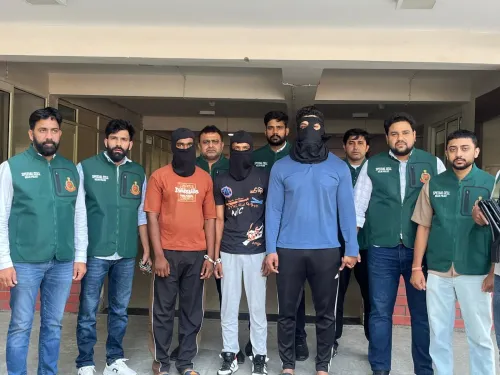
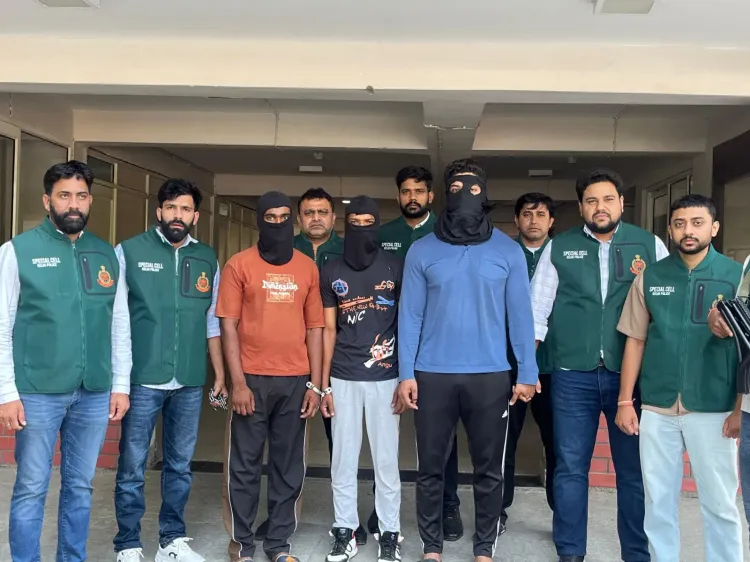
Security agencies have dismantled multiple modules of an alleged ISI-backed terror network — the Tehreek-e-Taliban Hindustan (TTH) — across six states including Madhya Pradesh, Maharashtra, Punjab, Haryana, Delhi, and Rajasthan, following a series of arrests in recent months. Investigators say the network is being built under the direction of Shahzad Bhatti, a Pakistan's Inter-Services Intelligence (ISI)-linked operative believed to be based in Dubai and Pakistan. The TTH, officials warn, is designed to function as a far more complex outfit than any domestic terror organisation India has previously encountered.
What the TTH Is and Who Is Behind It
According to Intelligence Bureau officials, the TTH is not a spontaneous homegrown movement — it is an ISI project, entrusted specifically to Shahzad Bhatti, who was previously known as a social media influencer. Officials say Bhatti uses a combination of ideological messaging and financial incentives to recruit members.
'At first, we thought that it was an imaginary outfit only aimed at propaganda. However, investigations suggest that the TTH is very much in the making, and this ambitious project has been entrusted to Shahzad Bhatti, who operates from Dubai and Pakistan,' an official said.
Notably, recruitment efforts have reportedly targeted both Muslim and Hindu youth — a deliberate strategy, according to officials, aimed at making the outfit appear entirely homegrown. 'This would make the TTH seem even more home-grown, and the fact that it has recruits of both religions would make the outfit look like a completely made-in-India organisation,' the official added.
Key Objectives Behind the TTH Project
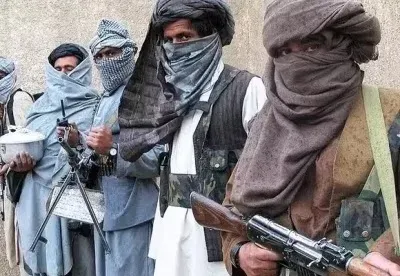
Officials believe the TTH serves multiple strategic goals for the ISI. The primary one is establishing a perceived linkage with the Tehreek-e-Taliban Pakistan (TTP) — a group that has inflicted significant casualties on Pakistan's own security forces in recent years.
'This would make it seem as though Indian agencies are backing the TTP, which has run amok in Pakistan,' an official said. By projecting such a connection, Pakistani authorities could, according to Indian officials, attempt to deflect international scrutiny over TTP attacks onto India.
Beyond the propaganda dimension, investigators say the TTH's operational blueprint is far wider than that of previous outfits such as the Indian Mujahideen or the Students Islamic Movement of India (SIMI). The network is reportedly designed to engage in narcotics smuggling, arms and ammunition trafficking, online radicalisation, counterfeiting operations, and the creation of distributed modules across the country — in addition to planned violence including petrol bomb attacks and targeted shootings.
'The scale at which they plan to operate is what makes the TTH lethal,' officials warned.
Modules Disrupted, But Threat Persists
Indian security agencies say they have managed to disrupt several TTH modules so far. However, officials caution against treating these early successes as conclusive. 'While Indian agencies have managed to get the better of TTH for now, the creation of the outfit remains in progress. The ISI and Bhatti will not give up easily, and these early setbacks will not demoralise them,' an official said.
This comes amid a broader pattern of cross-border terror infrastructure targeting India, but the TTH's multi-dimensional design — spanning intelligence gathering, radicalisation, financing, and violence — marks a qualitative shift in the threat model that agencies are now tracking.
What Investigators Found on the Ground
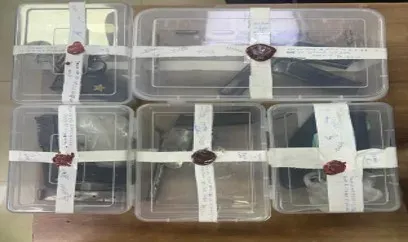
Arrested members across the six states were found to have distinct assigned roles. Some were tasked with conducting surveillance on sensitive installations and crowded public spaces, while others were allegedly in the preparatory stages of carrying out acts of violence. The geographic spread of the modules — spanning north, west, and central India — points to a deliberate effort to build a pan-India operational footprint.
Officials say the ISI views the TTH as a project of the highest priority, and further attempts to reconstitute disrupted modules are expected. The coming months will test whether Indian agencies can stay ahead of a network that, by design, is built to be resilient to early setbacks.
Point of View
Engineered to muddy attribution and complicate India's domestic counter-narrative. The TTP linkage gambit is equally calculated — Pakistan's military establishment, under severe domestic pressure from TTP attacks, has an incentive to export that narrative outward. Indian agencies have disrupted early modules, but the harder challenge is preventing reconstitution, especially given Bhatti's reported operational base outside Indian jurisdiction.
NationPress
22 Sept 2026
Frequently Asked Questions
What is the Tehreek-e-Taliban Hindustan (TTH)?
The TTH is an alleged ISI-backed terror network being built inside India, reportedly under the direction of operative Shahzad Bhatti. Unlike previous outfits, it is designed as a multi-dimensional organisation spanning violence, narcotics, arms trafficking, counterfeiting, and online radicalisation across multiple Indian states.
Who is Shahzad Bhatti and what is his role?
Shahzad Bhatti is an ISI-linked operative, formerly known as a social media influencer, who is allegedly overseeing the TTH project from Dubai and Pakistan. According to investigators, he uses ideological messaging and financial incentives to recruit members across India.
Why were both Hindu and Muslim youth recruited into TTH?
Officials say the cross-religious recruitment was a deliberate strategy to make the TTH appear as a fully homegrown Indian organisation, obscuring its ISI origins. 'This would make the TTH seem even more home-grown,' an official said.
What is the alleged connection between TTH and the Tehreek-e-Taliban Pakistan (TTP)?
Indian officials believe the ISI wants to project a link between TTH and TTP to suggest that Indian agencies are backing the TTP — a group responsible for significant attacks on Pakistan's own security forces. This would allow Pakistan to deflect international blame for TTP violence onto India.
Have Indian agencies neutralised the TTH threat?
Security agencies have dismantled several TTH modules across six states, but officials caution the network remains a work in progress. 'The ISI and Bhatti will not give up easily, and these early setbacks will not demoralise them,' an official warned.