Jaishankar arrives in Oman, received by FM official
Synopsis
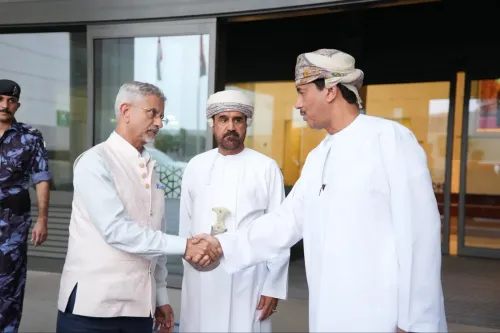
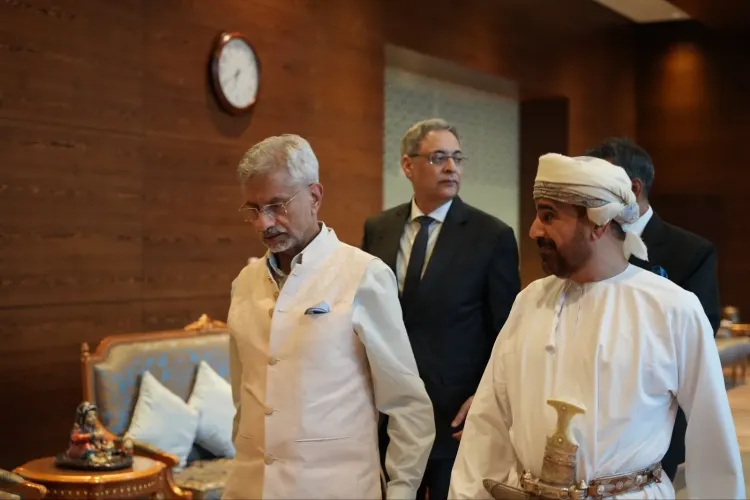
External Affairs Minister Dr. S. Jaishankar arrived in Oman on 9 July 2026 and was formally received by Sheikh Ahmed Al Maskari of the Omani Ministry of Foreign Affairs, continuing India's high-level diplomatic engagement with GCC states under its Act West policy.
Key Takeaways
Jaishankar arrived in Oman on 9 July 2026 on an official diplomatic visit.
He was received by Sheikh Ahmed Al Maskari , Director General of Oman's Ministry of Foreign Affairs.
India and Oman have maintained diplomatic relations since 1955 , among the oldest in the Gulf region.
The two countries have conducted joint naval exercise Naseem Al Bahr since 1993 and signed a defence MoU in 2016 .
PM Modi last visited Oman in February 2018 , setting the template for expanded strategic cooperation.
The visit is part of India's broader 'Act West' engagement with GCC states covering energy, maritime security, and diaspora welfare.
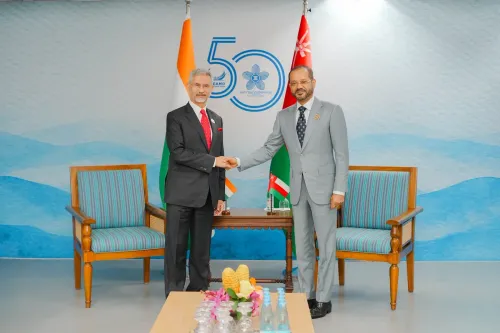
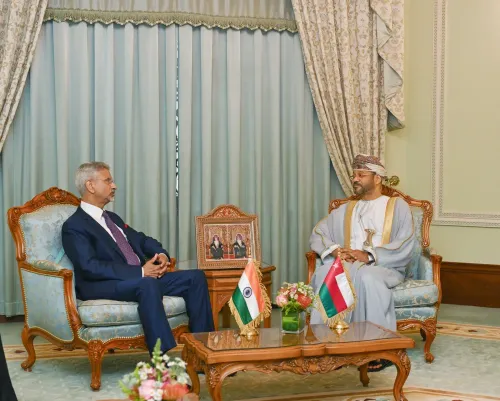
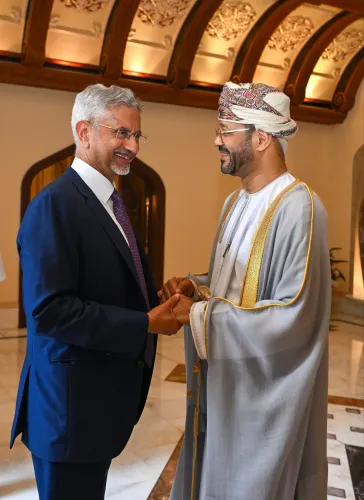
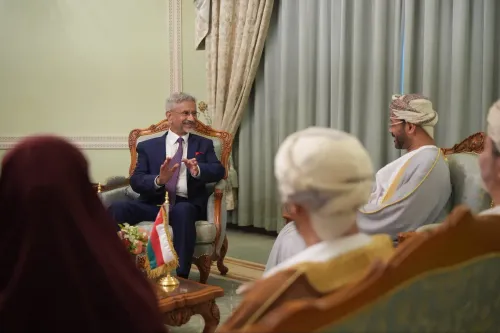
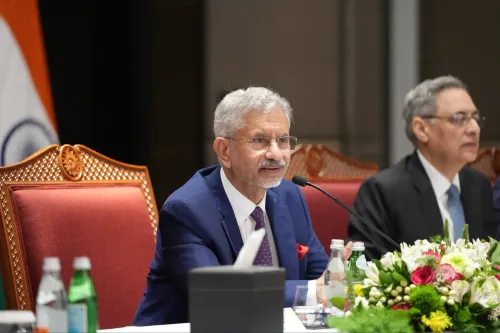
Union External Affairs Minister Dr. S. Jaishankar arrived in Oman on Thursday, 9 July 2026, marking a high-level diplomatic visit to the Gulf nation. He was received by Sheikh Ahmed Al Maskari, Director General at Oman's Ministry of Foreign Affairs, underscoring the formal warmth with which Muscat has welcomed the Indian delegation.
Context
Dr. Jaishankar posted on X: 'Glad to arrive in Oman today. Appreciate the warm reception by Sheikh Ahmed Al Maskari, Director General, Ministry of Foreign Affairs of Oman.' The post, accompanied by two images, was shared on the evening of 9 July 2026 and confirmed the minister's presence on Omani soil. The Indian tricolour and Omani flag emojis in the post signalled the bilateral character of the engagement.
India and Oman share diplomatic ties dating back to 1955, making this one of New Delhi's oldest partnerships in the Gulf. The visit continues a pattern of sustained high-level engagement between the two countries under India's so-called 'Act West' orientation toward Gulf Cooperation Council states.
Policy Backdrop
Prime Minister Narendra Modi had visited Oman in February 2018, elevating strategic and economic cooperation. The two countries have conducted the joint naval exercise Naseem Al Bahr since 1993 and formalised a defence MoU in 2016, establishing a durable security architecture between them.
India's engagement with GCC states has consistently prioritised maritime security, counter-terrorism coordination, energy imports, and the welfare of its large expatriate workforce. Oman occupies a strategically significant position in this calculus, given its location at the mouth of the Strait of Hormuz and its historically independent foreign policy within the Gulf bloc.
Stakeholders and Impact
The Indian diaspora in Oman — one of the largest expatriate communities in the sultanate — stands to benefit from any consular or labour-welfare discussions that may accompany the visit. Defence establishments on both sides, as well as energy and trade officials, will be closely watching the outcomes of ministerial-level talks.
Oman's role as a discreet diplomatic interlocutor in the region also lends added strategic weight to the visit. New Delhi has historically valued Muscat's balanced relationships with Iran, the broader Arab world, and Western partners as a channel for quiet diplomacy.
What's Next
Observers will watch for any joint statements, new memoranda of understanding on defence or connectivity, or signals about India's position ahead of the next India-GCC Foreign Ministers' meeting. Dr. Jaishankar's visit could also feed into broader multilateral coordination on maritime security in the Arabian Sea and the Indian Ocean Region.
As India deepens its Gulf diplomacy, Jaishankar's Oman leg reinforces New Delhi's commitment to sustained, high-frequency engagement with its closest partners in the Arab world — moving well beyond ceremonial ties toward an agenda grounded in security, energy, and people-to-people links.
Point of View
High-frequency Gulf diplomacy — a strategy that treats the GCC not merely as an energy supplier but as a pillar of India's extended neighbourhood policy. Oman holds particular value as a diplomatically neutral node in a volatile region, and a visit at the foreign-minister level signals that New Delhi is investing in the relationship beyond transactional interests. The timing, in mid-2026, also suggests India may be building momentum ahead of a broader India-GCC foreign ministers' conclave. Sustained ministerial engagement of this kind is the clearest indicator that India's 'Act West' posture has moved from rhetoric to institutional habit.
NationPress
8 Oct 2026
Frequently Asked Questions
Why did Jaishankar visit Oman in July 2026?
Dr. S. Jaishankar visited Oman on 9 July 2026 as part of India's ongoing high-level diplomatic engagement with Gulf Cooperation Council states, continuing a pattern of bilateral exchanges on defence, energy, and diaspora welfare.
Who received Jaishankar in Oman?
He was received by Sheikh Ahmed Al Maskari, Director General at Oman's Ministry of Foreign Affairs, reflecting the formal and warm diplomatic reception extended by Muscat.
What is the history of India-Oman relations?
India and Oman established diplomatic relations in 1955. The two countries have held the joint naval exercise Naseem Al Bahr since 1993, signed a defence MoU in 2016, and PM Modi visited Oman in February 2018 to deepen strategic ties.
How many Indians live in Oman?
Oman hosts one of the largest Indian expatriate communities in the Gulf, making diaspora welfare a consistent priority in India-Oman diplomatic discussions.
What is India's Act West policy?
India's Act West policy refers to its strategic outreach to Gulf and West Asian nations, prioritising maritime security, energy cooperation, counter-terrorism coordination, and the protection of Indian workers abroad.