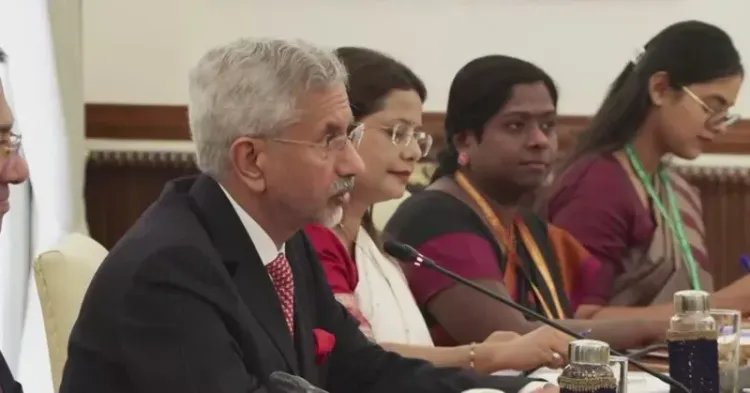
Jaishankar meets Bulgarian FM Petrova, opens bilateral talks
Synopsis
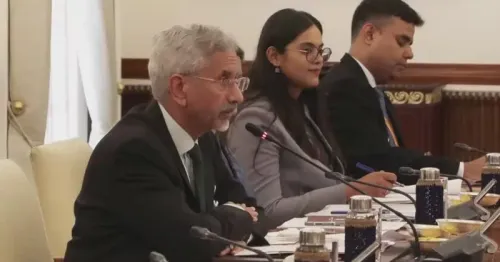
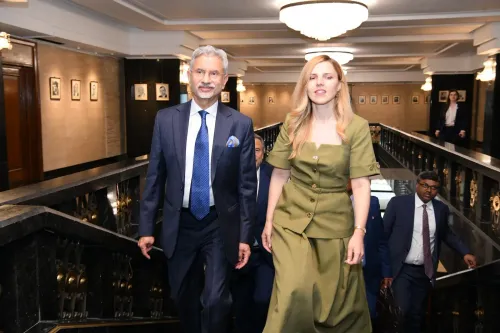
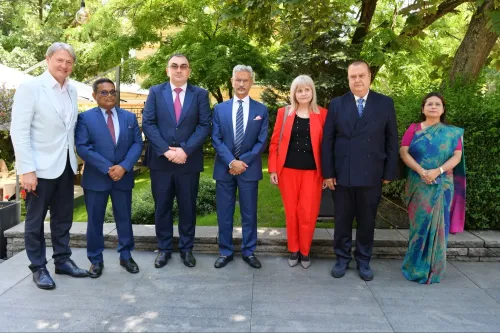
EAM Dr. S. Jaishankar met Bulgarian Foreign Minister Vpetrova on 21 November 2026, delivering opening remarks at a bilateral meeting. India and Bulgaria share ties dating to 1954, and the engagement reflects India's steady high-level outreach to Central and Eastern Europe.
Key Takeaways
Jaishankar held a bilateral meeting with Bulgarian Foreign Minister Vpetrova on 21 November 2026 .
India and Bulgaria have maintained diplomatic relations since 1954 .
Bulgaria is an EU member state in Eastern Europe, adding multilateral relevance to the bilateral.
The meeting was broadcast live, consistent with India's transparent diplomatic communications posture.
The engagement is part of India's broader outreach to Central and Eastern European EU partners on trade, connectivity, and multilateral coordination.
Specific agenda items and outcomes were not detailed; joint statements or follow-up visits remain to watch.
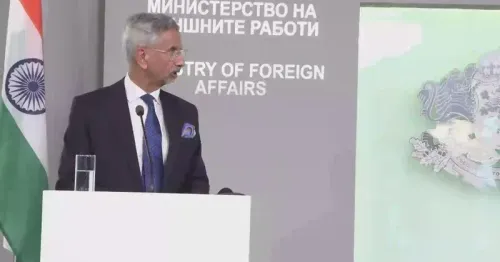
A diplomatic conversation that spans nearly seven decades of ties got a fresh pulse on Saturday, 21 November 2026, as Union External Affairs Minister Dr. S. Jaishankar delivered his opening remarks at a bilateral meeting with Bulgarian Foreign Minister Vpetrova — a signal of India's quiet but steady outreach to Eastern Europe.
India and Bulgaria: a relationship older than most alliances
India and Bulgaria established diplomatic relations in 1954, making theirs one of the older bilateral frameworks between South Asia and the Eastern Balkans. Bulgaria, an EU member state, sits at the intersection of European, Balkan, and Black Sea geopolitics — a position that lends even a routine high-level meeting strategic texture.
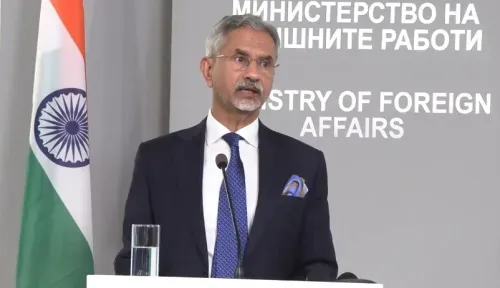
Dr. Jaishankar shared a live broadcast of his opening remarks, flagging the exchange publicly with the Indian and Bulgarian flags. The gesture underlines New Delhi's deliberate transparency around diplomatic engagements, particularly with European partners whose domestic audiences track such signals closely.
India's calibrated push into Central and Eastern Europe
This meeting fits a recognisable pattern. India has steadily expanded high-level contacts across Central and Eastern Europe — a tier of EU partners often overshadowed by Berlin, Paris, or Brussels in the headlines, but increasingly relevant to New Delhi's interests in trade corridors, connectivity frameworks, and multilateral forums including the United Nations and the WTO.
Dr. Jaishankar, a career diplomat who served as Indian Ambassador to the United States, China, and Singapore before becoming Foreign Secretary and then Minister, brings an institutional depth to such engagements that goes beyond ceremonial exchange. His public framing of even opening remarks — broadcast live — reflects a Ministry of External Affairs communications posture that treats every bilateral as part of a broader story India is telling the world.
What to watch from Sofia to New Delhi
The specifics of the agenda were not detailed in the post. Watch for any joint statement, agreed deliverables on trade or mobility, or a signal of a reciprocal visit from the Bulgarian side — markers that would elevate this from a courteous meeting to a structurally significant one.
India's engagement with EU member states in this tier has historically produced outcomes on consular cooperation, educational exchanges, and coordination on multilateral resolutions. Whether this meeting adds to that ledger will become clear in the days ahead.
One bilateral, two flags, and a room full of quiet consequences — that is the daily currency of Indian diplomacy in 2026.
Point of View
Not incidental: these countries carry votes in EU councils, seats in multilateral bodies, and represent untapped corridors for trade and mobility agreements. As India navigates a complex relationship with the EU as a bloc, bilateral warmth with individual member states builds political capital that can be deployed when it matters. The 1954 foundation of India-Bulgaria ties is a reminder that New Delhi's Eastern European connections predate its current global ambitions — and are now being quietly upgraded to match them.
NationPress
21 Nov 2026
Frequently Asked Questions
Why did Jaishankar meet the Bulgarian Foreign Minister?
EAM Dr. S. Jaishankar met Bulgarian Foreign Minister Vpetrova on 21 November 2026 as part of India's high-level bilateral diplomatic engagement with EU member states in Central and Eastern Europe.
What are India-Bulgaria relations like?
India and Bulgaria established diplomatic relations in 1954. Bulgaria is an EU member state, and the two countries cooperate on trade, educational exchanges, consular matters, and multilateral coordination.
What was discussed at the Jaishankar-Bulgaria FM meeting?
Specific agenda items were not publicly detailed. Such bilateral meetings typically cover trade, connectivity, consular cooperation, and coordination on multilateral forums like the UN and WTO.
Is Bulgaria important to India's foreign policy?
Yes. While not India's largest EU partner, Bulgaria sits at the intersection of Balkan and Black Sea geopolitics and carries relevance in EU council deliberations, making bilateral warmth strategically useful for New Delhi.
What is India's approach to Eastern European diplomacy?
India maintains a calibrated, steady outreach to Central and Eastern European EU member states, seeking to build trade and connectivity links and multilateral alignment alongside its engagement with major EU powers.