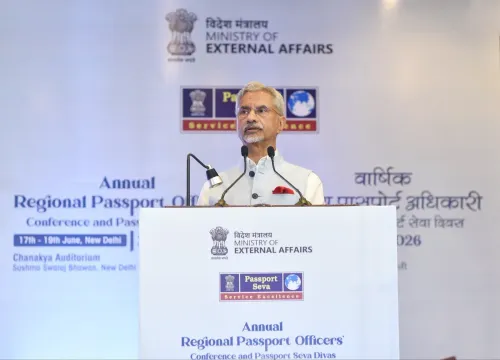
Jaishankar Marks 14th Passport Service Day, Hails e-Passport Push
Synopsis
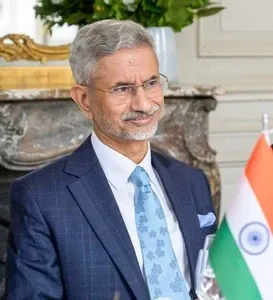
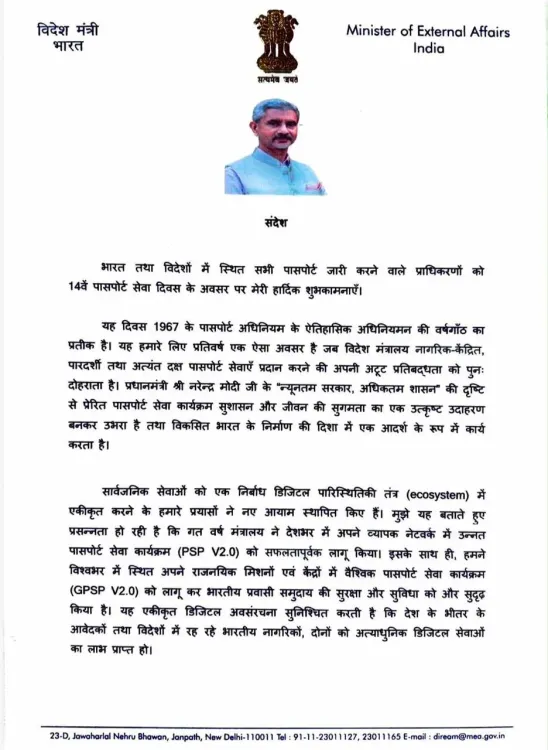
Union External Affairs Minister Dr. S. Jaishankar on 24 June 2026 greeted passport-issuing authorities on the 14th Passport Service Day, highlighting e-passport implementation, new PSKs and POPSKs, and record issuances under Passport Seva Programme 2.0 as milestones in citizen empowerment.
Key Takeaways
Jaishankar extended greetings to all passport-issuing authorities in India and abroad on the 14th Passport Service Day , observed on 24 June 2026 .
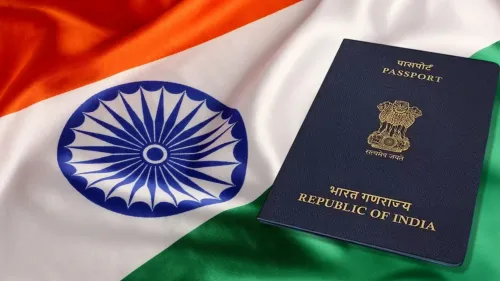
The minister highlighted the implementation of Passport Seva Programme 2.0 and the rollout of chip-enabled e-passports as key milestones.
New Passport Seva Kendras (PSKs) and Post Office Passport Seva Kendras (POPSKs) have been inaugurated to expand geographic access to passport services.
Record-level passport issuances were cited as evidence of increased citizen demand and improved service capacity.
The hashtag #12YearsOfSeva marks over a decade of continuous passport modernisation since the original Passport Seva Project launched in 2012 .
The ministry's guiding resolve is framed as 'Secure Passport, Smooth Service, Empowered Citizen.'
Union External Affairs Minister Dr. S. Jaishankar on Wednesday, 24 June 2026, extended greetings to all passport-issuing authorities in India and abroad on the occasion of the 14th Passport Service Day, highlighting record passport issuances, the rollout of chip-enabled e-passports, and the expansion of service centres across the country.
Context
Posting in Hindi on X, Dr. Jaishankar conveyed his greetings — 'हार्दिक शुभकामनाएँ' ('heartfelt best wishes') — to passport authorities both within India and at missions overseas. He specifically noted the implementation of the Passport Seva Programme 2.0 and chip-enabled e-passports, the inauguration of new Passport Seva Kendras (PSKs) and Post Office Passport Seva Kendras (POPSKs), and what he described as record-level passport issuances. The minister framed these developments as having made foreign travel easier, expanded access to global opportunities, and empowered citizens.
The post carried the hashtags #TeamMEA and #12YearsOfSeva, underscoring that the ministry's passport modernisation drive spans more than a decade of sustained reform.
Policy Backdrop
The Passport Seva Project was launched from 2012 onwards to replace the earlier manual, paper-heavy application system with online submissions and dedicated PSKs — a structural overhaul that placed technology at the centre of consular service delivery. The expansion into post offices through POPSKs, which began in 2017, extended that reach to smaller towns and rural areas that had previously lacked convenient access to passport facilities.
Passport Seva Programme 2.0 represents the upgraded iteration of this initiative, integrating enhanced digital platforms and infrastructure to further streamline application, processing, and delivery. The introduction of chip-enabled e-passports aligns India with international biometric standards, strengthening document security and interoperability at border checkpoints globally.
The ministry's push sits within India's broader e-governance framework, which has sought over the past decade to digitise public service delivery across sectors. Rising international mobility among Indian citizens — accelerated by post-pandemic travel recovery — has placed additional demand on consular infrastructure, making scalability a central policy concern.
Stakeholders and Impact
The primary beneficiaries of these reforms are Indian passport applicants, international travellers, and the overseas Indian diaspora, whose access to consular services depends on the efficiency and geographic spread of the passport network. The expansion of POPSKs through India Post offices has been particularly significant for first-time applicants in semi-urban and rural areas, reducing the need to travel to large cities for document processing.
Dr. Jaishankar invoked the ministry's stated resolve — 'सुरक्षित पासपोर्ट, सुगम सेवा, सशक्त नागरिक' ('Secure Passport, Smooth Service, Empowered Citizen') — as the guiding principle for #TeamMEA's commitment to making passport services faster, more transparent, and more accessible. This citizen-centric framing reflects the ministry's effort to position consular efficiency as a direct instrument of individual empowerment.
What's Next
Further phases of the chip-enabled e-passport rollout across all PSKs and overseas missions remain on the ministry's agenda, as the programme works toward universal coverage of the new biometric document standard. Parliamentary scrutiny of MEA budget allocations for service expansion is also anticipated as the programme scales.
With the 14th Passport Service Day marking over a decade of continuous reform, the ministry's trajectory points toward deeper technology integration and a wider service footprint — both domestically and through Indian missions abroad — as the volume of passport applications continues to grow alongside India's expanding global mobility.
Point of View
New service centres, and record issuances, the ministry signals that consular modernisation remains a live policy priority rather than a completed project. The invocation of '#12YearsOfSeva' is a deliberate arc-building exercise, connecting the current administration's achievements to a reform lineage that predates it, lending the programme institutional rather than partisan weight. The emphasis on citizen empowerment also reflects a broader governmental tendency to frame e-governance gains as equity interventions, particularly given the POPSKs' role in reaching underserved geographies.
NationPress
24 Jun 2026
Frequently Asked Questions
What is Passport Service Day in India?
Passport Service Day is an annual observance by the Ministry of External Affairs marking progress in passport delivery and citizen facilitation. The 14th edition was observed on 24 June 2026 .
What is Passport Seva Programme 2.0?
Passport Seva Programme 2.0 is the upgraded national initiative to modernise passport application, processing and delivery through enhanced digital platforms and expanded infrastructure, building on the original Passport Seva Project launched in 2012 .
What is an e-passport and when is India introducing it?
An e-passport is a chip-enabled biometric travel document that meets international security and interoperability standards. India has been rolling out chip-enabled e-passports through its PSK network as part of Passport Seva Programme 2.0.
What is the difference between a PSK and a POPSK?
A Passport Seva Kendra (PSK) is a dedicated government centre for end-to-end passport services, while a Post Office Passport Seva Kendra (POPSK) is a collaborative outlet at an India Post office that brings passport services to smaller towns and rural areas.
What did Jaishankar say on Passport Service Day 2026?
Dr. S. Jaishankar extended greetings to all passport-issuing authorities and highlighted the rollout of e-passports , inauguration of new PSKs and POPSKs , and record passport issuances as achievements that have made foreign travel easier and empowered citizens.