Jaishankar marks Emergency anniversary, salutes democratic defenders

Synopsis
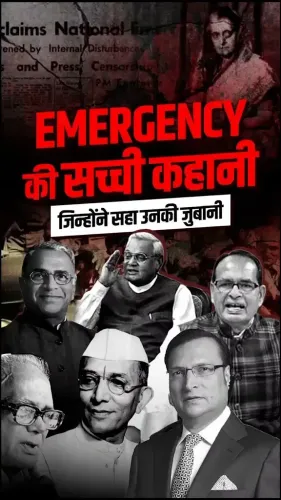
External Affairs Minister Dr. S. Jaishankar marked the 51st anniversary of the 1975 Emergency declaration on 25 June 2026, honouring those who resisted the suspension of fundamental rights and urging that democracy be protected and cherished every day.
Key Takeaways
External Affairs Minister Dr.
Jaishankar posted on 25 June 2026 to mark the anniversary of the 1975 Emergency declaration.
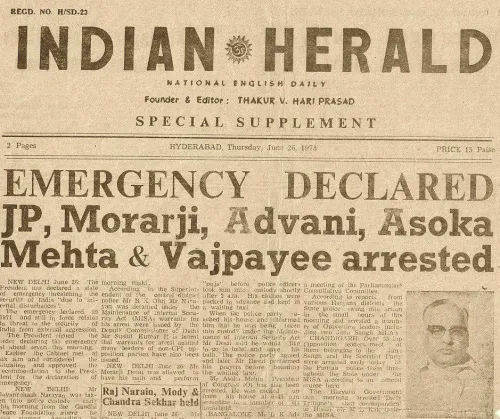
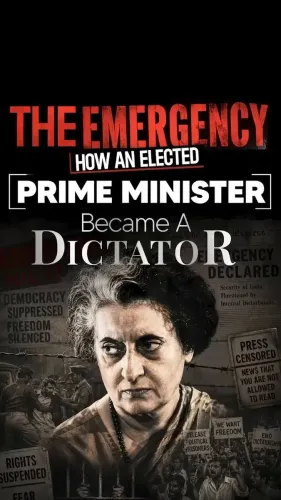
The Emergency was proclaimed on 25 June 1975 under Article 352 of the Constitution and lasted 21 months , suspending fundamental rights and imposing press censorship.
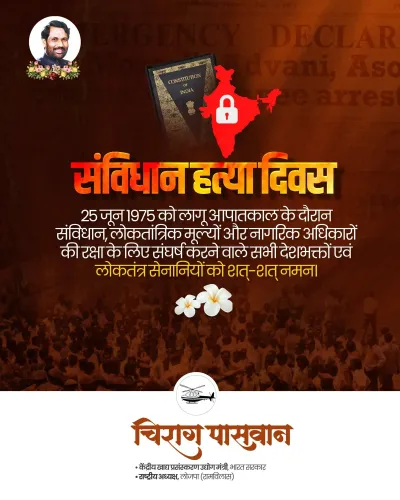
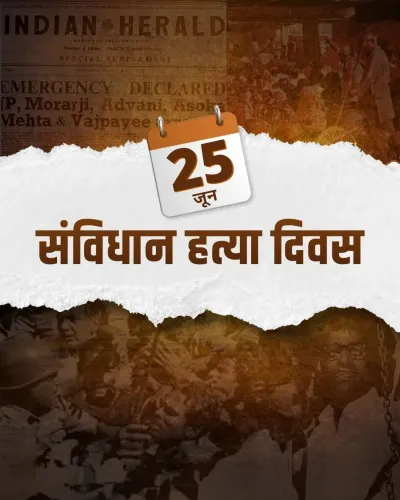
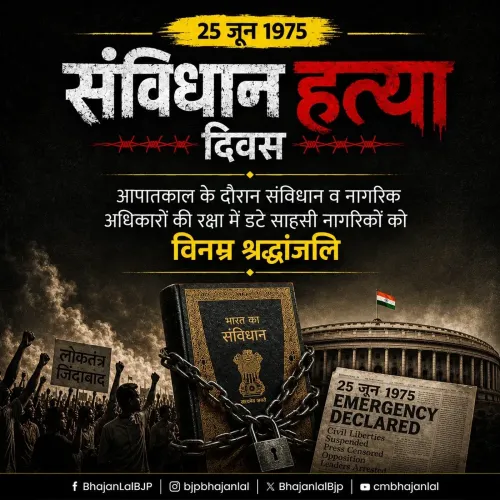
Jaishankar used the hashtag #SamvidhanHatyaDiwas , framing the Emergency as an assault on the Constitution.
He saluted all those who 'stood up in defence of constitutional values and freedoms,' invoking the legacy of resistance figures such as Jayaprakash Narayan .
The Emergency was revoked on 21 March 1977 ahead of general elections that ended Congress rule.
The post reflects a consistent pattern of senior Union ministers publicly marking 25 June as a reminder of authoritarian excess.
Union External Affairs Minister Dr. S. Jaishankar on Thursday, 25 June 2026 marked the anniversary of the declaration of the 1975 Emergency, calling it a period that 'severely tested the resilience of India's democracy' and saluting all those who stood up in defence of constitutional values and freedoms.
Context
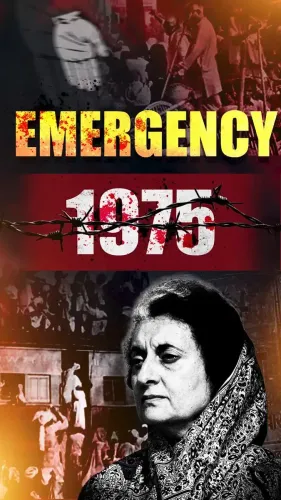
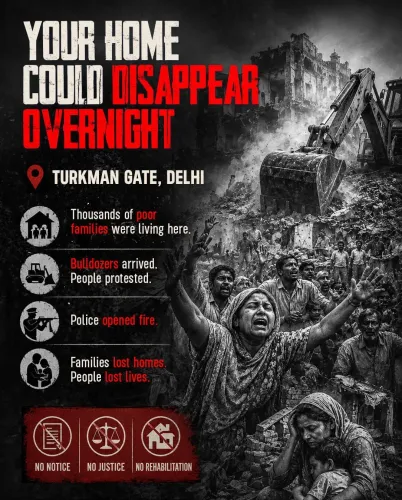
On 25 June 1975, then Prime Minister Indira Gandhi advised the President to proclaim a national Emergency under Article 352 of the Constitution, citing internal disturbance. The proclamation ushered in a 21-month period during which fundamental rights were suspended, press censorship was imposed, and thousands of opposition figures were detained without trial.
The Emergency was revoked on 21 March 1977 ahead of fresh general elections that ended Congress rule. The episode remains the most severe test of constitutional democracy in independent India's history, and its memory continues to shape debates on civil liberties and institutional checks.
Policy Backdrop
Dr. Jaishankar's post, tagged #SamvidhanHatyaDiwas — a phrase that translates broadly as 'Constitution Murder Day' — reflects a practice that has become consistent among senior Union ministers of publicly marking 25 June as a reminder of authoritarian excess. The hashtag signals the government's framing of the Emergency as an assault on the Constitution itself rather than a temporary administrative measure.
Figures such as Jayaprakash Narayan, the veteran socialist leader, became symbols of resistance during those years, advocating peaceful defiance and mobilising civil society against the suspension of democratic norms. Their legacy is invoked annually as part of a broader effort to anchor constitutional memory in public consciousness.
Stakeholders and Impact
The commemoration resonates with civil liberties groups, constitutional scholars, and opposition leaders across the political spectrum who regard the Emergency years as a cautionary benchmark. For the ruling dispensation, the anniversary serves as a political and pedagogical moment, drawing a contrast between the Emergency era and what it describes as subsequent institutional safeguards.
Dr. Jaishankar's message — that 'democracy must be protected, strengthened and cherished every day' — is directed at a broad public audience, particularly younger citizens who did not live through the period and for whom historical education on the Emergency remains uneven.
What's Next
Parliamentary references to the Emergency are likely to resurface when Constitution Day is observed on 26 November. Possible official educational programmes or formal designations related to Emergency-era events may follow, consistent with the government's pattern of institutionalising commemoration of this period. The anniversary will continue to function as a recurring flashpoint in India's contested political memory.
Point of View
Years-long effort by the Union government to institutionalise 25 June as a day of democratic reckoning, embedding the Emergency's memory into the national political calendar. By invoking constitutional values rather than partisan language, the External Affairs Minister — whose portfolio is international — signals that this commemoration has moved beyond domestic politics into a statement about India's democratic identity. The hashtag #SamvidhanHatyaDiwas sharpens the framing: it is not merely a historical recall but an active indictment preserved in nomenclature. The broader arc points toward a sustained counter-narrative to the Congress legacy, one that gains renewed salience each election cycle as constitutional custodianship becomes a central campaign theme.
NationPress
25 Jun 2026
Frequently Asked Questions
What is the Emergency anniversary that Jaishankar mentioned on 25 June 2026?
The anniversary refers to the national Emergency declared on 25 June 1975 by the government of then Prime Minister Indira Gandhi under Article 352 of the Constitution. The 21-month period saw fundamental rights suspended, press censorship imposed, and thousands of opposition figures detained.
What does #SamvidhanHatyaDiwas mean?
#SamvidhanHatyaDiwas translates broadly as 'Constitution Murder Day' in English. It is used by Union government ministers and supporters to frame the 1975 Emergency declaration as a direct assault on India's Constitution and democratic order.
When did the 1975 Emergency end?
The Emergency was revoked on 21 March 1977, ahead of fresh general elections. Those elections ended Congress rule and brought the Janata Party to power.
Who was Jayaprakash Narayan and what was his role during the Emergency?
Jayaprakash Narayan, often called JP, was a veteran socialist leader who led the opposition movement against the Emergency. He advocated peaceful resistance and became the most prominent symbol of civil society defiance during the 1975-77 period.
Why do Union ministers mark 25 June every year?
Senior Union ministers have consistently marked 25 June since 2014 to remind the public of what they describe as authoritarian excess under the previous Congress government. The commemoration forms part of a broader political narrative contrasting the Emergency years with constitutional safeguards introduced after 1977.