Jaishankar Meets ASEAN Chief in Manila, Reviews 2026–2030 Action Plan
Synopsis
External Affairs Minister Dr. S. Jaishankar met ASEAN Secretary-General Dr. Kao Kim Hourn in Manila on 22 July 2026, reviewing the Comprehensive Strategic Partnership and discussing the core pillars of the India-ASEAN Plan of Action for 2026–2030 across polity, economy, security and culture.
Key Takeaways
Jaishankar met ASEAN Secretary-General Dr.
Kao Kim Hourn in Manila on 22 July 2026 .
Discussions centred on the India-ASEAN Plan of Action for 2026–2030 , the successor to the 2021–2025 roadmap.
The four pillars of the new action plan are polity, economy, security and culture .
India and ASEAN have held a Comprehensive Strategic Partnership — the highest tier of bilateral ties — since November 2020 .
Jaishankar thanked the ASEAN Secretariat for its 'consistent support' in advancing the partnership.
The meeting reinforces India's Act East Policy and its broader Indo-Pacific strategic posture.
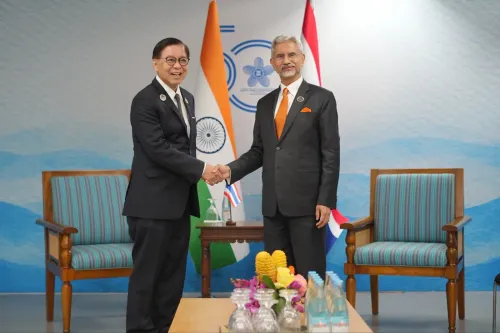
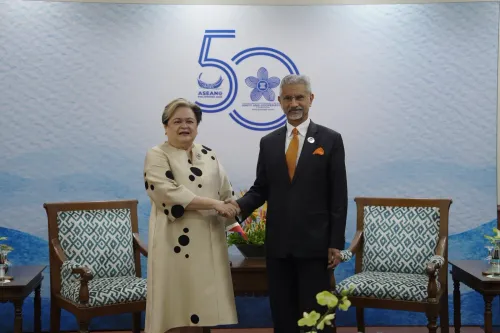
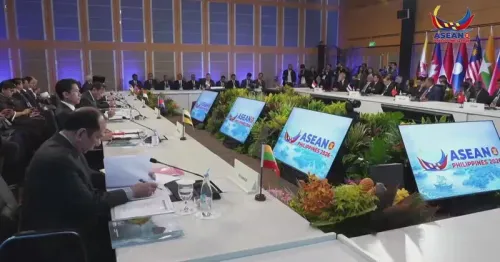
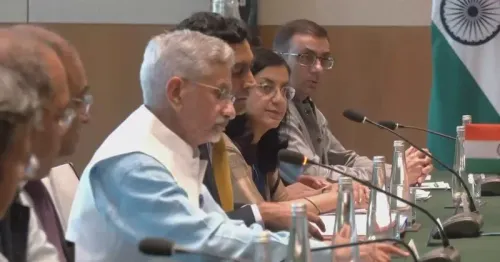
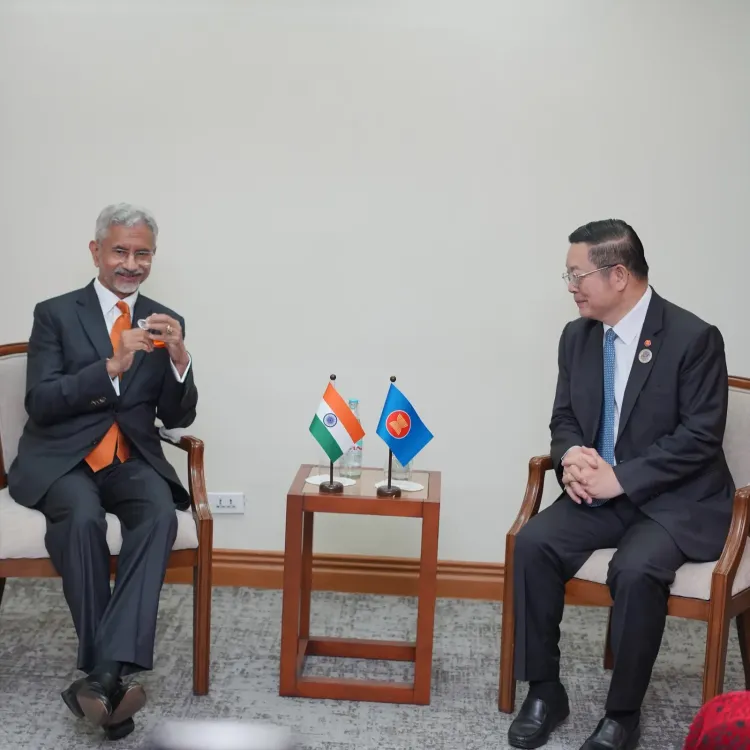
Union External Affairs Minister Dr. S. Jaishankar met Dr. Kao Kim Hourn, Secretary-General of ASEAN, in Manila on Wednesday, 22 July 2026, to review progress on the India-ASEAN Comprehensive Strategic Partnership and discuss the contours of the upcoming five-year cooperation roadmap.
Posting on X, Dr. Jaishankar wrote: 'Good to interact with Dr. Kao Kim Hourn, Secretary-General @ASEAN in Manila today. Thank him for the consistent support from the @ASEAN Secretariat for advancing our Comprehensive Strategic Partnership. Also exchanged views on the core pillars of India-ASEAN Plan of Action for 2026–2030, to further strengthen our partnership across polity, economy, security and culture.'
Context
Manila, the Philippine capital, is a regular venue for ASEAN ministerial-level meetings and external-partner dialogues. The meeting between Dr. Jaishankar and Dr. Kao Kim Hourn — a Cambodian diplomat who assumed charge as ASEAN Secretary-General in January 2023 — reflects the institutionalised cadence of India-ASEAN engagement at the secretariat level. Dr. Jaishankar thanked the ASEAN Secretariat for its 'consistent support' in advancing the partnership, signalling satisfaction with the operational coordination between New Delhi and Jakarta-based ASEAN headquarters.
Policy Backdrop
India and ASEAN elevated their ties to a Comprehensive Strategic Partnership at the virtual summit of November 2020, marking the highest tier of bilateral relationship. This built on India's pivot from the earlier Look East Policy to the Act East Policy, formally unveiled at the 2014 ASEAN-India Summit in Myanmar, which deepened strategic, economic and cultural links with Southeast Asia and East Asian partners.
The India-ASEAN Plan of Action 2026–2030 is set to succeed the preceding 2021–2025 action plan, which established institutional mechanisms and priority projects across the partnership's four pillars: polity, economy, security and culture. Wednesday's discussion signals that New Delhi is actively shaping the content of the next five-year roadmap ahead of its anticipated formal adoption at the next ASEAN-India Summit.
Stakeholders and Impact
The ASEAN Secretariat, India's Ministry of External Affairs, and the ten ASEAN member-state governments are the primary institutional stakeholders in the Plan of Action's implementation. For regional economies, the economic pillar of the roadmap carries particular weight, as India-ASEAN trade and connectivity initiatives directly affect supply chains, investment flows and infrastructure development across Southeast Asia.
The security and polity pillars also carry strategic significance in the context of a contested Indo-Pacific — a framing Dr. Jaishankar underscored by tagging #IndoPacific alongside #ActEast in his post. India's approach emphasises ASEAN centrality while pursuing a multi-alignment strategy, making the Secretariat's institutional backing a valued asset for New Delhi.
What's Next
Attention will now turn to the next ASEAN-India Summit, where the India-ASEAN Plan of Action 2026–2030 is expected to be formally adopted or reviewed, along with potential announcements of flagship projects under its four pillars. Wednesday's meeting in Manila suggests that the groundwork at the secretariat level is already under way, with both sides aligned on the broad architecture of the new roadmap.
As India deepens its Indo-Pacific partnerships, the consistency and ambition of the 2026–2030 plan will serve as a key indicator of whether the Comprehensive Strategic Partnership translates into concrete deliverables across trade, connectivity, defence and people-to-people ties.
Point of View
Dr. Jaishankar is reinforcing New Delhi's preference for structured, long-horizon commitments over transactional diplomacy. The dual hashtags — #ActEast and #IndoPacific — are not incidental; they frame ASEAN centrality as integral to India's broader strategic positioning in a region where major-power competition is intensifying. The emphasis on 'consistent support' from the Secretariat also suggests India values the multilateral track as a legitimising layer for its bilateral ambitions across Southeast Asia.
NationPress
22 Jul 2026
Frequently Asked Questions
What did Jaishankar discuss with the ASEAN Secretary-General in Manila?
Dr. Jaishankar discussed the core pillars of the India-ASEAN Plan of Action for 2026–2030, covering polity, economy, security and culture, and thanked the ASEAN Secretariat for its support in advancing the Comprehensive Strategic Partnership.
What is the India-ASEAN Plan of Action 2026–2030?
It is a five-year cooperation roadmap that will succeed the 2021–2025 action plan, detailing concrete initiatives under the India-ASEAN Comprehensive Strategic Partnership across four pillars: polity, economy, security and culture.
What is India's Comprehensive Strategic Partnership with ASEAN?
Established at the virtual ASEAN-India Summit in November 2020, the Comprehensive Strategic Partnership is the highest tier of India-ASEAN bilateral relations, encompassing trade, connectivity, defence and people-to-people cooperation.
Who is Dr. Kao Kim Hourn?
Dr. Kao Kim Hourn is a Cambodian diplomat who has served as Secretary-General of ASEAN since January 2023, overseeing the ASEAN Secretariat's coordination of regional initiatives.
What is India's Act East Policy?
The Act East Policy, formally launched at the 2014 ASEAN-India Summit in Myanmar, upgraded India's earlier Look East Policy to deepen strategic, economic and cultural engagement with ASEAN and East Asian partners, and remains a cornerstone of India's foreign policy.