Jaishankar Meets Philippines FM in Manila, Reviews Strategic Ties
Synopsis
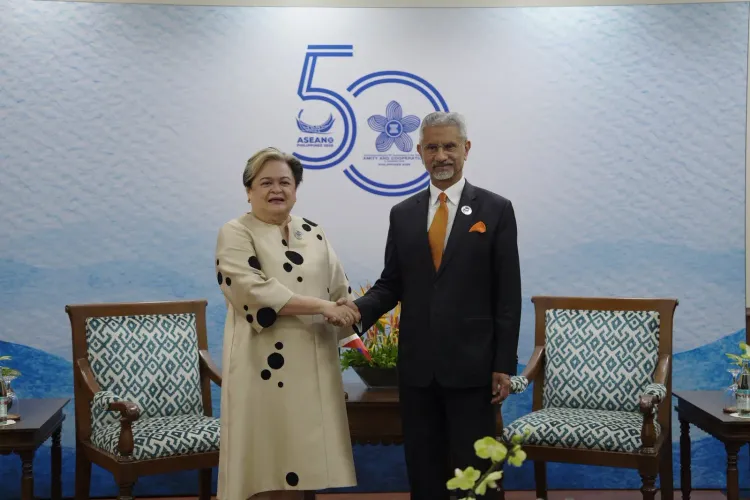
External Affairs Minister Dr. S. Jaishankar met the Philippines Foreign Minister in Manila on 22 July 2026, reviewing the India-Philippines Strategic Partnership with focus on trade, defence, maritime cooperation, and Indo-Pacific developments.
Key Takeaways
Jaishankar met the Philippines Foreign Minister in Manila on 22 July 2026 .
Discussions covered six areas: trade and investment, education, defence and security, maritime cooperation, capacity building, and development cooperation.
Both ministers reviewed 'recent developments in the Indo-Pacific ,' reflecting shared strategic concerns.
India and the Philippines have maintained a Strategic Partnership since 2015 , elevated during PM Modi's Manila visit.
The meeting aligns with India's Act East Policy and its broader Indo-Pacific engagement framework.
Outcomes from the talks could feed into the next ASEAN-India Summit agenda.
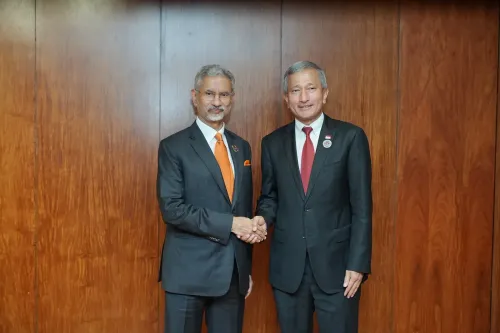
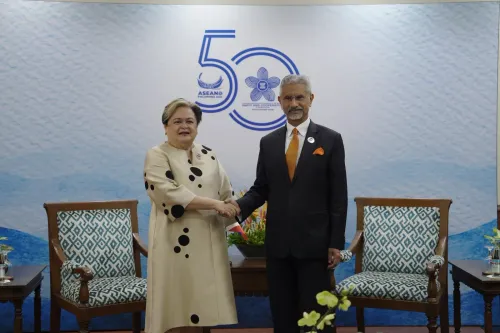
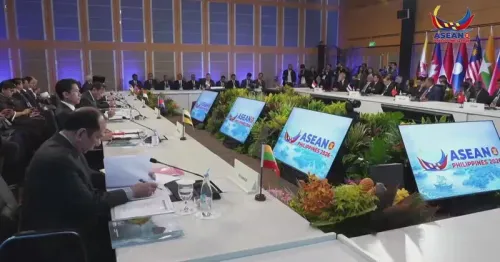
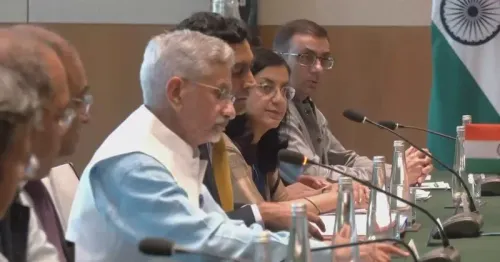
Union External Affairs Minister Dr. S. Jaishankar met Philippines Foreign Minister Enrique Manalo (referred to as FM SecLazaro) in Manila on Wednesday, 22 July 2026, holding wide-ranging discussions aimed at deepening the bilateral Strategic Partnership between India and the Philippines.
Context
Dr. Jaishankar described the engagement as 'a good discussion on further strengthening our Strategic Partnership,' covering trade and investment, education, defence and security, maritime cooperation, capacity building, and development cooperation. The two ministers also exchanged views on 'recent developments in the Indo-Pacific,' underscoring the shared strategic outlook of both nations on regional stability.
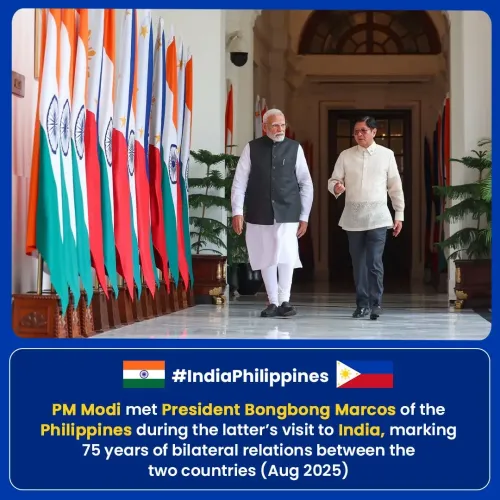
The meeting took place in Manila, the Philippine capital, marking a high-level in-person engagement between the two sides. India and the Philippines have maintained a Strategic Partnership since 2015, when Prime Minister Narendra Modi visited Manila and elevated bilateral ties with a focus on defence and maritime issues.
Policy Backdrop
India's engagement with the Philippines sits squarely within its Act East Policy and its broader Indo-Pacific framework, both of which prioritise deepening ties with ASEAN member states. Over the past decade, New Delhi has steadily expanded defence cooperation, maritime domain awareness, and capacity-building programmes with Southeast Asian partners.
The Philippines, as a littoral state in the South China Sea, shares India's interest in a rules-based maritime order. Regular high-level exchanges between the two countries have consistently featured discussions on maritime security, making the 22 July meeting consistent with an established diplomatic pattern.
Stakeholders and Impact
The six pillars identified in Wednesday's talks — trade and investment, education, defence and security, maritime cooperation, capacity building, and development cooperation — span a wide range of institutional stakeholders. Defence establishments and maritime agencies on both sides stand to benefit from any follow-on agreements, while the education and development cooperation agenda opens avenues for people-to-people and institutional linkages.
For Indian businesses, the Philippines represents a growing market in Southeast Asia, and a reinvigorated Strategic Partnership could translate into enhanced trade facilitation and investment frameworks. Capacity-building initiatives, a longstanding feature of India's outreach to ASEAN partners, are also expected to feature in any joint outcomes from the visit.
What's Next
Attention will now turn to whether the Manila meeting produces formal joint statements or specific agreements in the defence or maritime domain. The next ASEAN-India Summit is also being watched as a potential forum for consolidating outcomes from bilateral visits such as this one.
Dr. Jaishankar's Manila engagement signals that India intends to maintain the tempo of high-level diplomacy with its Indo-Pacific partners, with maritime security and economic cooperation remaining the twin anchors of its Southeast Asia strategy.
Point of View
High-frequency bilateral engagement. By placing maritime cooperation and defence alongside trade and education in the same conversation, New Delhi is reinforcing a holistic partnership model with ASEAN states rather than a purely transactional one. The Philippines, given its strategic position in the South China Sea, is an increasingly important node in India's Act East architecture. Consistent high-level contact with Manila suggests India is positioning itself as a credible partner in Southeast Asia's evolving security landscape.
NationPress
22 Jul 2026
Frequently Asked Questions
Why did Jaishankar visit Manila in July 2026?
Dr. S. Jaishankar visited Manila to meet the Philippines Foreign Minister and hold discussions on strengthening the India-Philippines Strategic Partnership, covering trade, defence, maritime cooperation, and Indo-Pacific developments.
What is the India-Philippines Strategic Partnership?
The India-Philippines Strategic Partnership was established in 2015 during Prime Minister Modi's visit to Manila. It focuses on defence, maritime security, trade, and people-to-people ties.
What topics were discussed between India and Philippines in the July 2026 meeting?
The two ministers discussed trade and investment, education, defence and security, maritime cooperation, capacity building, development cooperation, and recent developments in the Indo-Pacific.
How does India's Act East Policy relate to Philippines ties?
India's Act East Policy prioritises deepening engagement with ASEAN nations including the Philippines. The policy drives high-level visits, defence cooperation, and maritime security initiatives in the region.
What could be the outcomes of Jaishankar's Manila meeting?
Potential outcomes include defence or maritime agreements and inputs into the next ASEAN-India Summit agenda, building on the six areas of cooperation identified during the talks.