Jaishankar meets Slovenia FM Kajzer, eyes India-EU FTA push
Synopsis
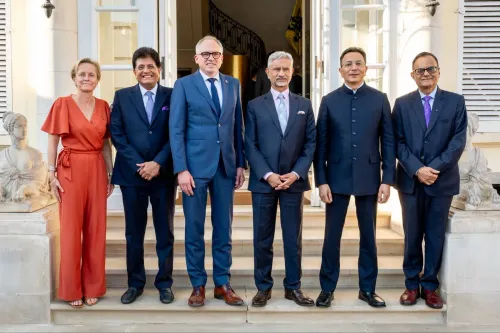
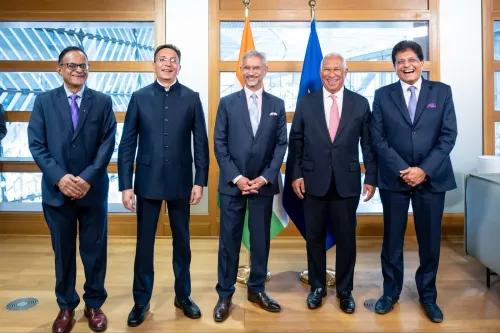
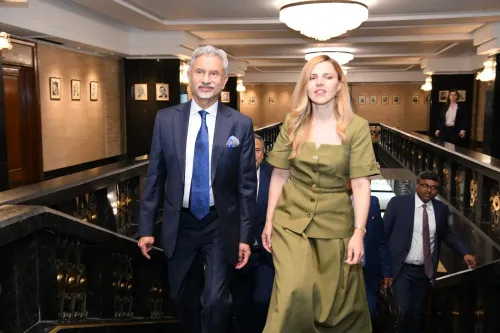
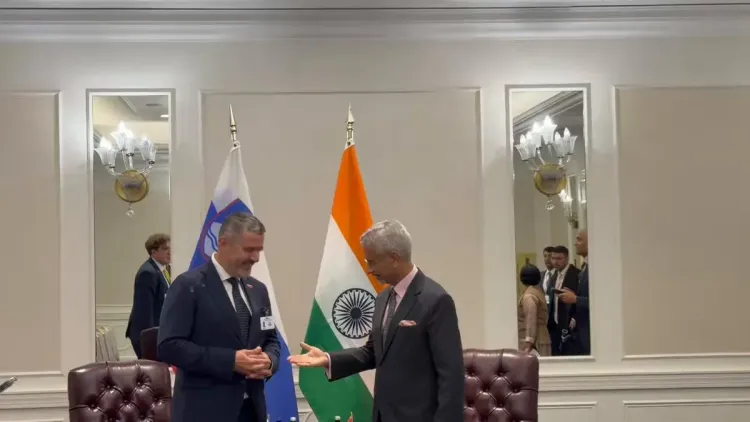
External Affairs Minister Dr. S. Jaishankar met Slovenian FM Tone Kajzer on September 24, 2026, discussing trade, investment, energy, manufacturing, digital, defence and multilateral ties — all framed around the push to finalise the India-EU Free Trade Agreement.
Key Takeaways
Jaishankar met Slovenian Foreign Minister Tone Kajzer on September 24, 2026 .
Discussions centred on trade and investment opportunities tied to the India-EU FTA negotiation process.
Agenda included energy, manufacturing, digital technology, connectivity, defence and multilateral cooperation .
The India-EU Broad-Based Trade and Investment Agreement , suspended in 2013, was relaunched in 2022 .
The EU is India's largest trading partner , making the FTA one of the highest-stakes deals in India's trade pipeline.
India's bilateral outreach to individual EU member states is a deliberate strategy to build momentum for the FTA at the bloc level.
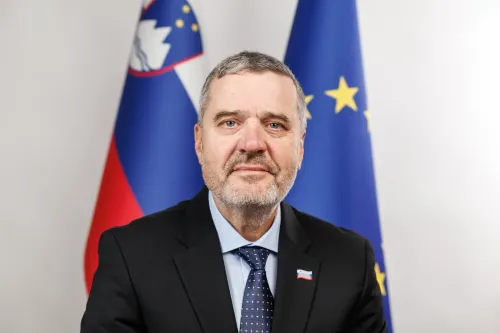
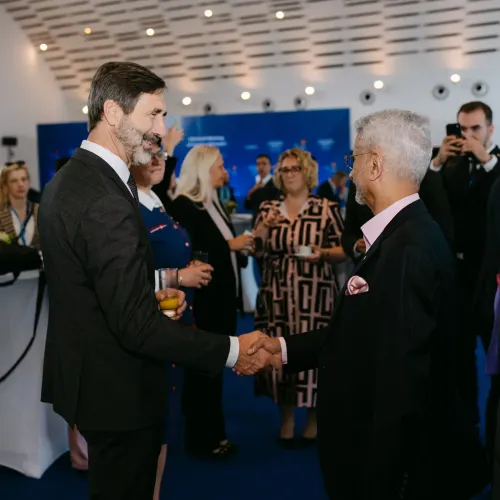
With the long-awaited India-EU Free Trade Agreement inching closer to reality, Union External Affairs Minister Dr. S. Jaishankar on Thursday, September 24, 2026, met Slovenian Foreign Minister Tone Kajzer — a pointed signal that New Delhi is working its bilateral channels across Europe to keep the momentum alive.
What the two ministers put on the table
The conversation, as Dr. Jaishankar described it, was broad and substantive. The ministers discussed 'emerging trade and investment opportunities as we move towards the actualisation of the India-EU FTA' — covering energy, manufacturing, digital technology, connectivity, defence and multilateral cooperation. That is nearly the full spectrum of a modern bilateral relationship, compressed into a single meeting.
Slovenia is a European Union member state with which India has maintained diplomatic ties since 1992. While it is not among the bloc's largest economies, Ljubljana holds a seat at the EU table — and in the intricate choreography of FTA diplomacy, individual member-state endorsements matter.
Why the India-EU FTA is the real headline here
The India-EU Broad-Based Trade and Investment Agreement has a complicated history. Talks launched years ago were suspended in 2013 after hitting deadlock over market access and regulatory differences. They were relaunched in 2022 with renewed political will on both sides — and since then, New Delhi has pursued a deliberate strategy: engage EU member states bilaterally, build goodwill, and translate that into negotiating tailwind at the bloc level.
The European Union is India's largest trading partner, making the FTA one of the most consequential trade deals either side could clinch. Indian exporters, defence manufacturers and digital firms all have skin in the game. Every bilateral meeting like this one with Slovenia adds a brick to that larger architecture.
Defence and digital — the newer pillars
The explicit mention of defence and digital alongside the more traditional trade-and-investment framing is telling. India's defence exports have grown sharply in recent years, and European partners — particularly smaller EU states — are increasingly receptive to co-production and technology-sharing arrangements. On the digital side, data governance, cybersecurity cooperation and connectivity infrastructure have become standard items on any India-Europe agenda.
Including multilateral dimensions in the readout also signals that both sides compared notes on shared positions at forums like the United Nations and the G20 — the diplomatic version of aligning clocks before a joint race.
One bilateral meeting with a mid-sized EU member may look modest on paper — but in the geometry of a 27-nation trade negotiation, these conversations are exactly how consensus gets built, one capital at a time.
Point of View
Each such bilateral touchpoint serves as both a goodwill deposit and a pressure mechanism on the overall process. The breadth of topics discussed — from energy to multilateral coordination — suggests India is positioning Slovenia not merely as a trade partner, but as a like-minded voice within EU deliberations.
NationPress
24 Sept 2026
Frequently Asked Questions
What did Jaishankar discuss with Slovenia's Foreign Minister?
EAM Dr. Jaishankar discussed trade and investment opportunities linked to the India-EU FTA, along with energy, manufacturing, digital technology, connectivity, defence and multilateral dimensions of the India-Slovenia relationship.
What is the India-EU FTA and what is its current status?
The India-EU Broad-Based Trade and Investment Agreement is a comprehensive free trade deal under negotiation between India and the 27-nation European Union. Talks were suspended in 2013 and relaunched in 2022 with renewed political commitment from both sides.
Why does India meet individual EU member states for trade talks?
India pursues bilateral engagement with individual EU member states to build goodwill and political momentum that can support the broader India-EU FTA negotiation at the bloc level, where consensus among all 27 members is required.
What is Slovenia's significance for India?
Slovenia is an EU member state with which India has maintained diplomatic relations since 1992. Its support and alignment on trade and investment issues can contribute to the consensus needed to advance the India-EU FTA.
What sectors did India and Slovenia discuss cooperating on?
The two sides discussed cooperation in energy, manufacturing, digital technology, connectivity, defence and multilateral affairs, in addition to the overarching India-EU free trade framework.