Jal Shakti Minister C.R. Paatil leads Shramdaan at Yamuna's Kalindi Kunj Ghat
Synopsis
A day before Gandhi Jayanti, Jal Shakti Minister C.R. Paatil took to the Yamuna's banks at Kalindi Kunj for a Shramdaan drive under SHS 2026, then met grassroots Water and River Rejuvenation Warriors from across India — signalling a push to link symbolic cleanliness events with measurable, community-led river conservation outcomes.
Key Takeaways
Jal Shakti Minister C.R.
Paatil led Shramdaan at Yamuna's Kalindi Kunj Ghat , Okhla Barrage, on 1 October 2026 .
The event was part of Swachhata Hi Seva 2026 – Nirantar Prayas , the nationwide voluntary labour campaign held ahead of Gandhi Jayanti.
Minister of State V.
Somanna also attended the Kalindi Kunj event.
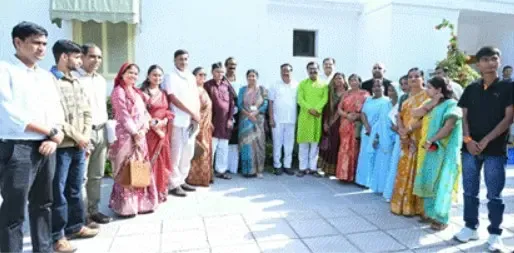
Paatil later met Water Conservation Warriors and River Rejuvenation Warriors in an interaction organised by NMCG under Namami Gange .
The minister called for measurable, sustained outcomes and urged involvement of women, youth, and schoolchildren in water conservation efforts.
Union Jal Shakti Minister C.R. Paatil on Thursday, 1 October 2026 led a Shramdaan drive at Yamuna's Kalindi Kunj Ghat, near Okhla Barrage in New Delhi, as part of the nationwide voluntary labour campaign under Swachhata Hi Seva (SHS) 2026 – Nirantar Prayas. The event brought together government officials, sanitation workers, and community volunteers in a symbolic show of collective commitment to river and environmental cleanliness.
Key Developments at the Event
Minister of State V. Somanna also attended the Shramdaan event at Kalindi Kunj Ghat, according to an official statement. Paatil paid tribute to Safai-Mitras — frontline sanitation workers — and expressed gratitude for their year-round contribution to keeping public spaces clean. He underscored that cleanliness must be treated as a continuous commitment, not a periodic exercise, and that river conservation is central to that mission.
Paatil invoked Mahatma Gandhi's dual emphasis on 'Swachhata' (cleanliness) and 'Swantantra' (freedom), noting that Gandhi's philosophy continues to shape India's sanitation ethos. He added that under Prime Minister Narendra Modi's leadership, the Swachhata Andolan has reached new milestones of public participation.
Water Warriors Interaction under Namami Gange
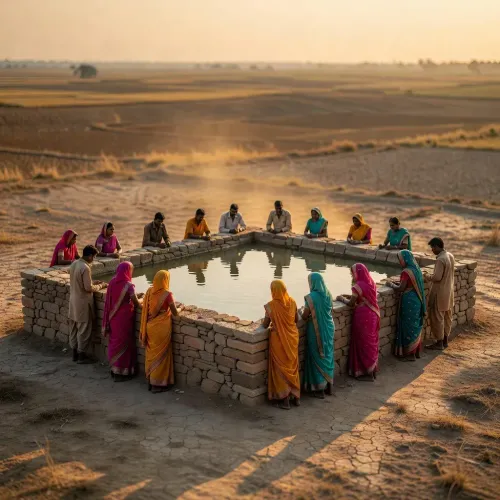
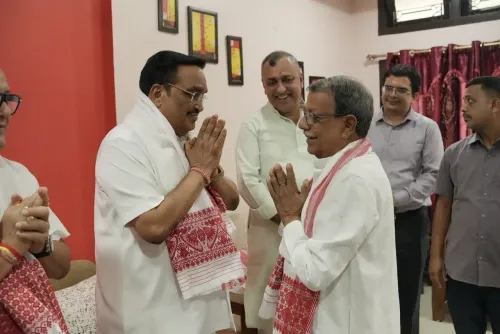
Later in the day, Paatil interacted with Water Conservation Warriors and River Rejuvenation Warriors drawn from different parts of the country. The interaction was organised by the National Mission for Clean Ganga (NMCG) under the Namami Gange programme and provided a platform for grassroots champions to share their journeys and discuss how community-led models can be replicated at scale.
The minister acknowledged that many of the warriors had worked through difficult local circumstances to bring communities together for water and environmental protection. He said their work reflects the spirit of Jan Bhagidari — citizen co-ownership — that underpins the national water conservation movement.
What the Government Said
Paatil urged the Water Warriors to move beyond awareness and translate their energy into focused, measurable, and sustained outcomes. He called on participants to identify specific rivers, ponds, and ghats, set clear targets, and demonstrate visible improvement on the ground. He also stressed the importance of involving women, youth, schoolchildren, and senior citizens to ensure that water conservation becomes an enduring people's movement rather than a one-time activity.
He encouraged successful local models to be adapted and expanded across regions facing similar water challenges, and asked the Warriors to stay connected and share learnings regularly.
Broader Context
The Swachhata Hi Seva campaign, launched annually ahead of Gandhi Jayanti on 2 October, mobilises citizens, government departments, and civil society for voluntary cleaning drives across the country. The Namami Gange programme — India's flagship river rejuvenation mission — has been working on sewage treatment, biodiversity conservation, and community engagement along the Ganga and its tributaries, including the Yamuna. The Yamuna, which flows through the capital, has remained among India's most polluted urban rivers despite successive clean-up efforts spanning two decades.
Thursday's event marks a visible push to link the Swachhata drive with river rejuvenation goals ahead of Gandhi Jayanti, with grassroots action increasingly positioned as central to the government's long-term river health strategy.
Point of View
Yet the river remains one of India's most polluted urban waterways despite years of clean-up pledges and Namami Gange investment. The more consequential part of Thursday's programme was the interaction with grassroots Water Warriors — if their community-led models are genuinely documented and scaled, that could shift the Namami Gange mission from a top-down infrastructure exercise to something more durable. The minister's call for 'measurable outcomes' is the right instinct, but the government has yet to publish a public dashboard that tracks river health at the ghat level, which would be the minimum accountability tool to take that call seriously.
NationPress
1 Oct 2026
Frequently Asked Questions
What is Swachhata Hi Seva 2026 – Nirantar Prayas?
Swachhata Hi Seva (SHS) 2026 – Nirantar Prayas is the government's annual nationwide campaign for voluntary physical labour (Shramdaan) focused on cleanliness and sanitation, held ahead of Gandhi Jayanti on 2 October. It mobilises citizens, officials, and civil society groups to undertake cleaning drives across public spaces and water bodies.
What happened at Kalindi Kunj Ghat on 1 October 2026?
Jal Shakti Minister C.R. Paatil led a Shramdaan drive at Yamuna's Kalindi Kunj Ghat near Okhla Barrage in New Delhi on 1 October 2026, as part of SHS 2026. Minister of State V. Somanna also participated, and the event emphasised continuous river conservation as well as recognising the work of Safai-Mitras.
Who are the Water Conservation Warriors and River Rejuvenation Warriors?
They are grassroots champions from different parts of India who have led community initiatives in water conservation, river and water-body rejuvenation, and environmental protection. They were invited to interact with Minister Paatil under an event organised by the National Mission for Clean Ganga (NMCG) through the Namami Gange programme.
What is the Namami Gange programme?
Namami Gange is India's flagship integrated river conservation and rejuvenation mission, overseen by the National Mission for Clean Ganga (NMCG) under the Jal Shakti Ministry. It covers sewage treatment, industrial effluent control, biodiversity restoration, and community engagement along the Ganga and its tributaries including the Yamuna.
What did Minister Paatil ask the Water Warriors to do going forward?
Paatil urged the Water Warriors to set specific, measurable targets for rivers, ponds, and ghats in their areas, demonstrate visible improvement on the ground, and involve women, youth, schoolchildren, and senior citizens. He also asked them to share successful local models so they can be replicated across regions facing similar water challenges.