Jal Shakti Minister Paatil distributes notebooks in Varanasi village
Synopsis
Union Jal Shakti Minister C. R. Paatil on 21 July 2026 highlighted a water-conservation awareness event in Belwa village, Varanasi, where notebooks were distributed to schoolchildren under the Centre's 'Jal Hai To Kal Hai' campaign, underscoring the government's grassroots push to promote water-saving habits.
Key Takeaways
Union Jal Shakti Minister C.
Paatil posted about a water-conservation awareness event held in Belwa village, Varanasi on 21 July 2026 .
The event was conducted under the 'Jal Hai To Kal Hai' campaign run by the Union Ministry of Jal Shakti .
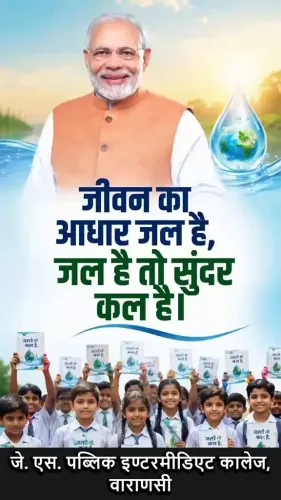
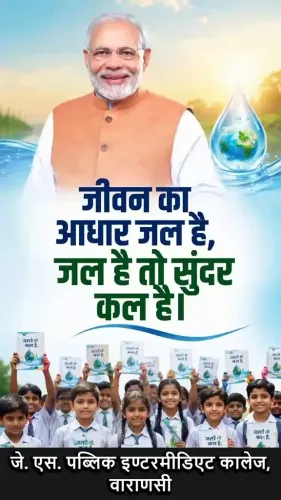
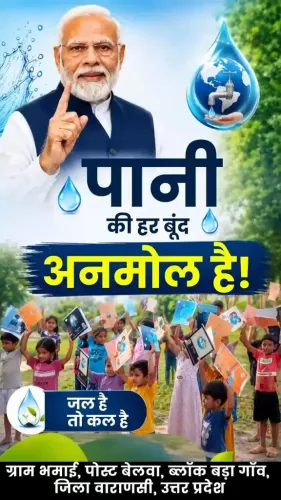
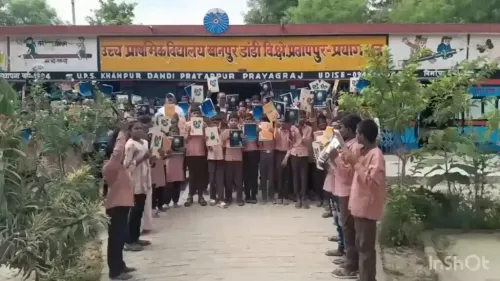
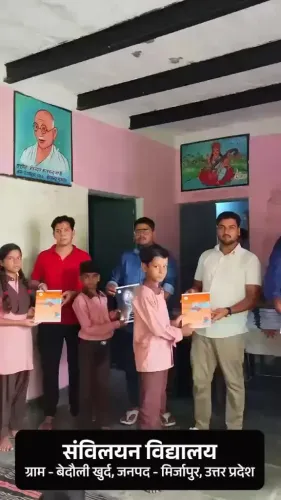
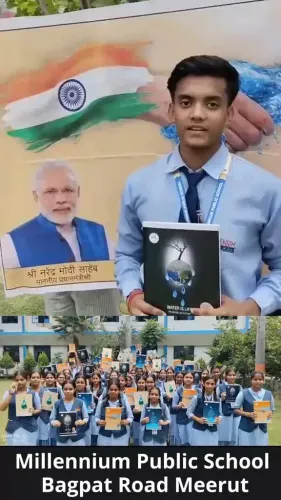
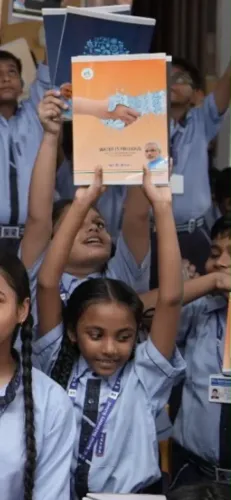
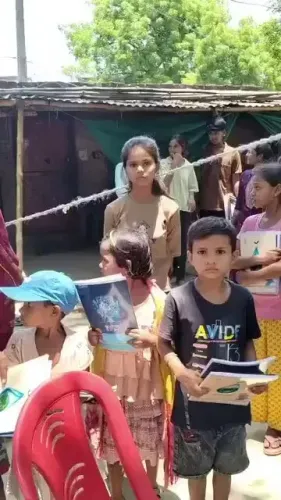
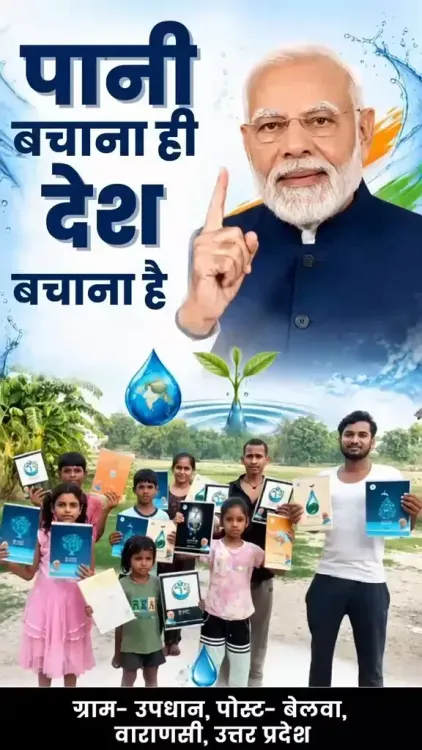
Notebooks were distributed to schoolchildren to spread the message of water conservation at the grassroots level.
The drive is framed as part of the broader water policy agenda led by Prime Minister Narendra Modi , whose parliamentary constituency is Varanasi.
The campaign complements larger schemes including the Jal Shakti Abhiyan (2019), Jal Jeevan Mission (2019), and Catch the Rain (2021).
Parliamentary scrutiny of Jal Shakti Abhiyan outcomes is expected during the ongoing monsoon session.
Union Jal Shakti Minister C. R. Paatil on Tuesday, 21 July 2026 shared details of a water-conservation awareness drive conducted in Belwa village, Varanasi, under the Centre's 'Jal Hai To Kal Hai' campaign, in which notebooks were distributed to schoolchildren to spread the message of water conservation.
Posting on X, Minister Paatil wrote that the campaign is being run under the leadership and guidance of 'Aadarniya Pradhan Mantri Shri Narendra Modi ji' (Honourable Prime Minister Shri Narendra Modi) so that people understand the importance of water and save it for a safe future. He noted that at Updhan, village post Belwa, Varanasi, small children were made aware through the distribution of notebooks, and the children responded with chants of 'Jai Hind, Jai Bharat' ('Victory to India') and the words 'Thank You Modi ji'.
Context
The 'Jal Hai To Kal Hai' ('If there is water, there is tomorrow') campaign is a public awareness initiative run by the Union Ministry of Jal Shakti to promote water conservation at the grassroots level. The Belwa event targeted young schoolchildren, using notebook distribution as an entry point to communicate the importance of preserving water resources. Varanasi is the parliamentary constituency of Prime Minister Narendra Modi, making it a symbolically significant location for such outreach.
Policy Backdrop
The awareness campaign sits within a broader architecture of water-related programmes launched by the Modi government since 2019. The Jal Shakti Abhiyan, launched in 2019, was a nationwide water conservation campaign targeting water-stressed districts, while the Jal Jeevan Mission, also announced in 2019, aims to provide functional household tap connections across rural India. The Catch the Rain campaign, begun in 2021, further emphasised rainwater harvesting and the rejuvenation of water bodies ahead of each monsoon season.
Successive governments have paired large-scale water infrastructure programmes with periodic behavioural-change drives targeting schools and villages. The Jal Shakti Ministry has consistently used local events in politically and socially significant districts to reinforce conservation messaging alongside physical interventions such as check dams and recharge structures.
Stakeholders and Impact
The primary beneficiaries of Tuesday's event were schoolchildren in Belwa, a rural settlement in Varanasi district, Uttar Pradesh. By targeting children, the campaign aims to build long-term conservation habits and extend awareness messaging into households. Rural communities in water-stressed regions stand to benefit most from sustained behavioural change, particularly as groundwater depletion remains a pressing concern across large parts of Uttar Pradesh.
The notebook distribution model serves a dual purpose: it provides a tangible resource to children while embedding conservation messaging into everyday school life. Such community-level events also help build local visibility for national water schemes.
What's Next
The Jal Shakti Ministry is expected to roll out similar awareness events in additional districts as the monsoon season provides a natural backdrop for water conservation messaging. Parliamentary scrutiny of Jal Shakti Abhiyan outcomes is anticipated during the ongoing monsoon session, where opposition members may seek data on the measurable impact of awareness drives relative to infrastructure investment. The frequency and geographic spread of such notebook-distribution events across states will indicate the campaign's reach beyond politically prominent constituencies.
Point of View
Recognising that household-level conservation habits are often shaped early. Whether such awareness events translate into measurable reductions in water consumption or improvements in groundwater levels remains the harder policy question that the ministry will need to address with data.
NationPress
21 Jul 2026
Frequently Asked Questions
What is the 'Jal Hai To Kal Hai' campaign?
'Jal Hai To Kal Hai' — meaning 'If there is water, there is tomorrow' — is a public awareness campaign run by the Union Ministry of Jal Shakti to educate people, especially in rural areas, about the importance of saving water for future generations.
Why were notebooks distributed to children in Varanasi?
Notebooks were distributed to schoolchildren in Belwa village, Varanasi, as part of the 'Jal Hai To Kal Hai' awareness drive to engage young students with water conservation messaging and extend that message into their homes and communities.
What is the Jal Shakti Abhiyan?
The Jal Shakti Abhiyan is a nationwide water conservation campaign launched by the Indian government in 2019, targeting water-stressed districts with a combination of infrastructure work — such as check dams and recharge structures — and community awareness activities.
Who is C. R. Paatil?
C. R. Paatil is the Union Minister of Jal Shakti in the Indian government, a senior BJP leader, and a former president of the BJP's Gujarat state unit.
What other water schemes has the Modi government launched?
Beyond the 'Jal Hai To Kal Hai' campaign, the Modi government has launched the Jal Jeevan Mission in 2019 to provide tap water connections to rural households, the Jal Shakti Abhiyan in 2019 for conservation in stressed districts, and the Catch the Rain campaign in 2021 to promote rainwater harvesting.