Jal Shakti Minister Paatil hails Bagdana Dham's rainwater recharge model

Synopsis
Union Jal Shakti Minister C. R. Paatil on 27 July 2026 highlighted Bagdana Dham ashram's rooftop rainwater harvesting system, which channels rainfall into borewells for groundwater recharge, calling it an inspiring model for PM Modi's Jal Sanchay – Jan Bhagidari citizen-participation initiative.
Key Takeaways
Paatil , Union Jal Shakti Minister, spotlighted Bagdana Dham ashram in Gujarat as a model rainwater harvesting site on 27 July 2026 .
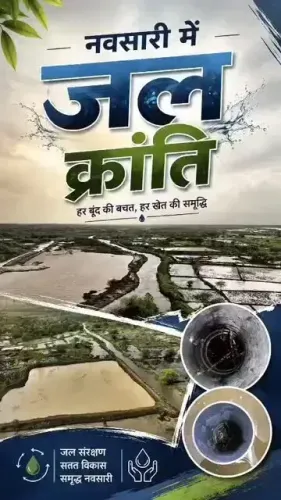
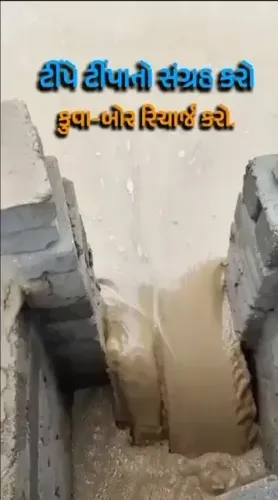
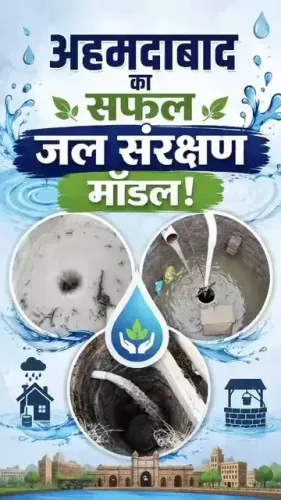
The ashram routes rainwater from large rooftops through a structured pipe network directly into borewells and open wells for groundwater recharge.
Paatil linked the initiative to PM Modi 's Jal Sanchay – Jan Bhagidari scheme, which promotes citizen-led water conservation.
The Jal Shakti Abhiyan (launched 2019 ) and the Jal Jeevan Mission (launched 2019 ) form the broader policy framework within which such community models operate.
Faith-based institutions are being positioned as replicable demonstration sites for decentralised rainwater harvesting across India.
Union Jal Shakti Minister C. R. Paatil on Monday, 27 July 2026 highlighted the rainwater harvesting initiative at Bagdana Dham, a religious ashram in Gujarat, calling it an inspiring example of groundwater recharge that embodies Prime Minister Narendra Modi's call for citizen-led water conservation.
Context
Paatil shared that Bagdana Dham has installed a structured pipe network across its vast rooftops and entire campus to channel rainwater directly into borewells and open wells, enabling groundwater recharge. In his post, he quoted the spirit of the initiative: 'Varsha ka paani vyarth na bahe, balki dharti ki kokh mein sanchit ho' ('Let rainwater not flow to waste, but be stored in the womb of the earth'). He described the effort as an exemplary model of water conservation.
The minister linked the ashram's initiative to PM Modi's broader appeal to citizens to save every drop of rainfall, framing conservation as a public movement rather than a government mandate alone. He closed the post with 'Bapa Sitaram', a salutation associated with the ashram's spiritual tradition, referencing the sacred land of 'Pujya Bapa'.
Policy Backdrop
The post aligns with the Centre's Jal Sanchay – Jan Bhagidari initiative, which calls on communities, institutions, and individuals to participate actively in harvesting and conserving rainwater. The scheme is part of a sustained national push to treat water conservation as both a developmental and cultural imperative.
The Jal Shakti Abhiyan, launched in 2019, was an earlier time-bound campaign targeting water-stressed districts for rainwater harvesting and groundwater recharge. The Jal Jeevan Mission, also announced in 2019, complemented this by emphasising source sustainability alongside the goal of providing functional tap connections to rural households. Bagdana Dham's model — routing rooftop runoff into subsurface recharge points — mirrors the technical approach promoted under these programmes.
Stakeholders and Impact
Religious and community institutions occupy a strategic position in India's water conservation outreach because of their reach, land holdings, and moral authority over large congregations. By spotlighting Bagdana Dham, Paatil signals that faith-based sites can serve as demonstration units for replicable rainwater harvesting infrastructure.
Rural households and smaller community organisations stand to benefit if the model is formally documented and disseminated through state-level guidelines. Groundwater depletion is a critical challenge across Gujarat and several other Indian states, making decentralised recharge structures at large campuses particularly significant for local aquifer health.
What's Next
Attention will now turn to whether the Ministry of Jal Shakti issues formal guidelines encouraging large public buildings, ashrams, and institutions to adopt similar rooftop-to-borewell pipe systems, particularly ahead of monsoon preparedness meetings. State-level replication frameworks under Jal Sanchay – Jan Bhagidari are being watched as a potential vehicle for scaling such community-led models. If Bagdana Dham's approach is incorporated into official outreach material, it could accelerate adoption across faith-based and civic institutions nationwide.
Point of View
Paatil is executing a well-worn but effective communications strategy: anchoring a technocratic policy goal in cultural and spiritual imagery to broaden public buy-in. The choice of Bagdana Dham is deliberate — Gujarat is both Paatil's political base and a state with documented groundwater stress, making the example locally resonant and politically useful. The post reinforces the Centre's framing of Jal Sanchay – Jan Bhagidari as a grassroots movement rather than a top-down mandate, a distinction that matters for voluntary adoption at scale. Whether this translates into formal directives for large institutions remains the key policy question.
NationPress
27 Jul 2026
Frequently Asked Questions
What is Bagdana Dham and what water conservation work is it doing?
Bagdana Dham is a religious ashram in Gujarat that has installed a pipe network across its rooftops and campus to channel rainwater directly into borewells and open wells, recharging groundwater instead of letting runoff go to waste.
What is the Jal Sanchay – Jan Bhagidari scheme?
Jal Sanchay – Jan Bhagidari is a Central government initiative that calls on citizens, communities, and institutions to actively participate in harvesting and conserving every drop of rainwater to address water scarcity across India.
Why did C. R. Paatil post about Bagdana Dham?
Paatil shared the ashram's rainwater harvesting model to present it as a practical, community-led example of PM Modi's appeal for citizen participation in water conservation under the Jal Sanchay – Jan Bhagidari mission.
What is the Jal Shakti Abhiyan?
The Jal Shakti Abhiyan is a time-bound campaign launched in 2019 to promote rainwater harvesting and groundwater recharge in water-stressed districts across India, forming part of the broader Jal Shakti ministry's conservation agenda.
How does rooftop rainwater harvesting help groundwater levels?
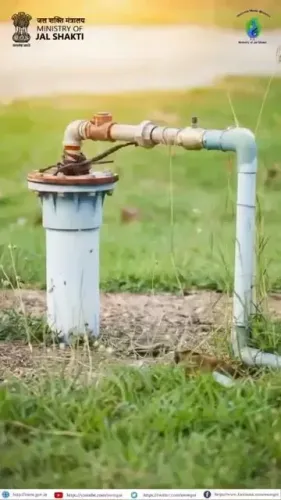
Rooftop systems collect rainfall and direct it through pipes into borewells or recharge pits, allowing water to percolate into underground aquifers rather than evaporating or flowing away as surface runoff, thereby replenishing groundwater reserves.