Jal Shakti Minister Paatil Meets Gujarat MPs on JJM Upkeep
Synopsis
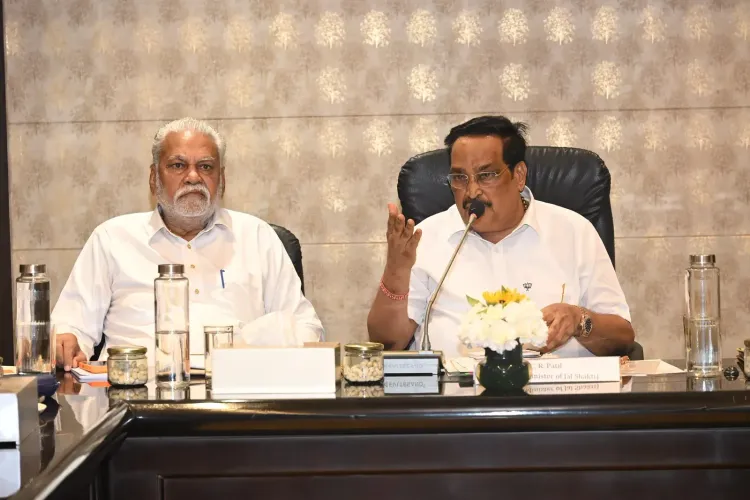
Union Jal Shakti Minister C. R. Paatil met Gujarat MPs at Garvi Gujarat Bhavan on 29 July 2026 to discuss Operation and Maintenance of Jal Jeevan Mission infrastructure, urging MPs to actively monitor water supply systems in their constituencies and sustain Har Ghar Jal gains.
Key Takeaways
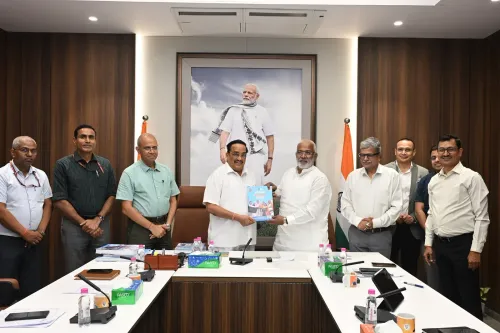
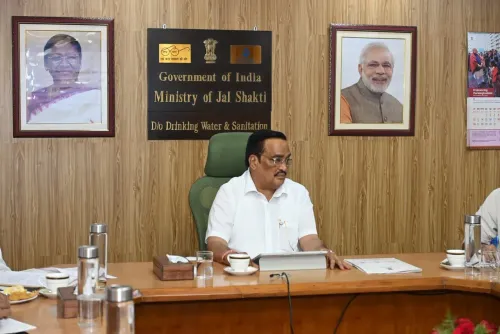
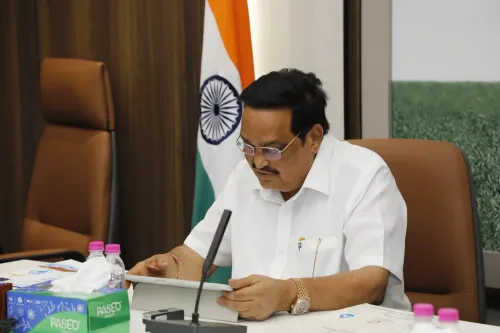
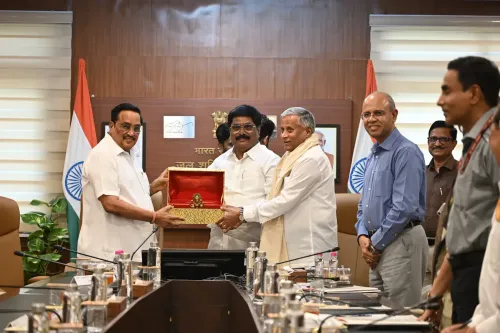
Paatil chaired a working meeting with Gujarat MPs at Garvi Gujarat Bhavan, New Delhi , on 29 July 2026 focused on Jal Jeevan Mission O&M.
Minister of State Nimuben Bambhaniya and former Union Minister Parshottam Rupala attended alongside senior officials from the Jal Shakti Ministry and Gujarat government.
MPs were urged to take active roles in monitoring O&M performance within their own parliamentary constituencies.
Jal Jeevan Mission , launched on 15 August 2019 , has shifted focus from achieving tap connections to sustaining safe, quality water supply for rural households.
Constituency-level MP feedback is being institutionalised as an early-warning mechanism for localised O&M failures under the scheme.
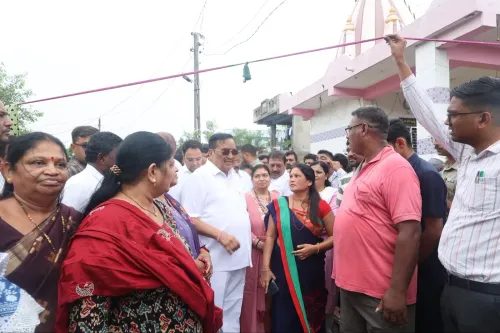
Safe drinking water reaching every rural tap is only half the battle — keeping it flowing is the harder fight. Union Jal Shakti Minister C. R. Paatil convened a detailed working session with Gujarat's Members of Parliament at Garvi Gujarat Bhavan, New Delhi, on 29 July 2026, zeroing in on the Operation and Maintenance (O&M) machinery that keeps the Jal Jeevan Mission running long after the pipes are laid.
From Connections to Continuity: The O&M Push
The meeting focused on what the ministry calls the next frontier of Jal Jeevan Mission (JJM) — not just connecting households to tap water, but ensuring those connections deliver safe, quality drinking water without interruption. MPs were asked to take an active role in monitoring O&M performance within their own parliamentary constituencies, turning elected representatives into ground-level accountability nodes for the scheme.
Minister Paatil, posting in Hindi, described the discussions as 'vistar evam rachnatmak charcha' — 'detailed and constructive dialogue' — and said suggestions gathered from the MPs would help address local challenges, improve scheme operations, and deepen janbhagidari (public participation).
Who Was in the Room
Minister of State Nimuben Jayantibhai Bambhaniya, who holds charge of Consumer Affairs, Food and Public Distribution, attended alongside former Union Minister and senior BJP MP Parshottam Rupala. Senior officials from both the Jal Shakti Ministry and the Gujarat government were also present, signalling coordination between the Centre and the state on implementation gaps.
The composition of the meeting — sitting MPs, a minister of state, a former cabinet minister, and bureaucrats from two tiers of government — reflects the seriousness with which the Centre is treating the sustainability phase of JJM.
JJM's Shift from Coverage to Sustainability
Jal Jeevan Mission was launched by Prime Minister Narendra Modi on 15 August 2019 with an original target of providing functional household tap connections to every rural home by 2024. As coverage has approached saturation in several states, the Union government has pivoted its emphasis: the harder, costlier, and politically less visible work of keeping those systems operational — maintaining pumps, pipelines, water quality testing, and local Gram Panchayat capacity — is now the central challenge. Gujarat's rural households and their Gram Panchayats are the ultimate beneficiaries of getting this right.
Paatil invoked Modi's 'visionary leadership' as the guiding force behind the commitment to sustain Har Ghar Jal — safe and quality drinking water for every rural family, continuously.
What Gujarat MPs Bring to the Table
Constituency-level feedback from MPs is increasingly being used by the Jal Shakti Ministry to surface hyper-local O&M failures that aggregate data misses — a broken pump in one village, a contaminated source in another. By formally institutionalising this feedback loop, the ministry is betting that political representatives, who have the most direct incentive to fix visible service failures before the next election, can serve as early-warning sensors for a scheme that spans hundreds of thousands of rural habitations.
State-level O&M policy frameworks and fund utilisation reports are expected to feature in upcoming Jal Shakti Ministry reviews, with parliamentary scrutiny of sustainability metrics likely during the monsoon session.
The pipes are in. The real test is whether the water keeps coming.
Point of View
The Centre is now institutionalising political accountability for the far less glamorous — but operationally critical — work of O&M. Bringing Gujarat MPs directly into the feedback loop is a governance hedge: elected representatives with re-election stakes are arguably the most motivated local monitors of service delivery failures. The presence of both a serving MoS and a former cabinet minister from Gujarat underscores that this is not a routine bureaucratic review but a politically weighted exercise in sustaining a flagship scheme's credibility ahead of parliamentary scrutiny during the monsoon session.
NationPress
30 Jul 2026
Frequently Asked Questions
What is Jal Jeevan Mission and what is its current status?
Jal Jeevan Mission is a central government scheme launched on 15 August 2019 to provide functional household tap connections to every rural home in India. Having approached its original 2024 coverage targets in several states, the government's focus has now shifted to Operation and Maintenance of installed water supply infrastructure.
What was discussed at the Garvi Gujarat Bhavan meeting on 29 July 2026?
Union Jal Shakti Minister C. R. Paatil met Gujarat MPs to discuss effective implementation of Jal Jeevan Mission and the Operation and Maintenance (O&M) of water supply systems. MPs were asked to actively monitor O&M in their constituencies and share feedback on local challenges.
Who attended the Jal Jeevan Mission meeting with C. R. Paatil?
The meeting was attended by Minister of State Nimuben Jayantibhai Bambhaniya, former Union Minister and senior BJP MP Parshottam Rupala, and senior officials from the Jal Shakti Ministry and the Gujarat government.
What is Har Ghar Jal and why does O&M matter for it?
Har Ghar Jal — 'water for every home' — is the core objective of Jal Jeevan Mission. Operation and Maintenance ensures that installed tap connections continue to deliver safe, quality drinking water reliably, rather than becoming non-functional after initial installation.
What role are Gujarat MPs expected to play in Jal Jeevan Mission?
Gujarat MPs were urged to actively participate in monitoring O&M performance within their parliamentary constituencies, provide feedback on local implementation challenges, and help strengthen community participation in sustaining water supply systems.