Jal Shakti Minister Paatil's Navsari Schools Join Swachhata Hi Seva Drive

Synopsis
Union Jal Shakti Minister C. R. Paatil on 29 September 2026 highlighted Navsari schoolchildren's enthusiastic participation in the annual Swachhata Hi Seva campaign, reinforcing the Swachh Bharat Mission's focus on building long-term sanitation habits through youth-led cleanliness drives.
Key Takeaways
Union Jal Shakti Minister C.
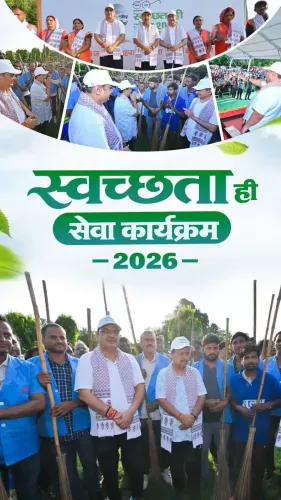
Paatil posted about Swachhata Hi Seva activities held in Navsari Lok Sabha constituency on 29 September 2026 .
Schoolchildren participated enthusiastically in various cleanliness activities under the campaign's banner.
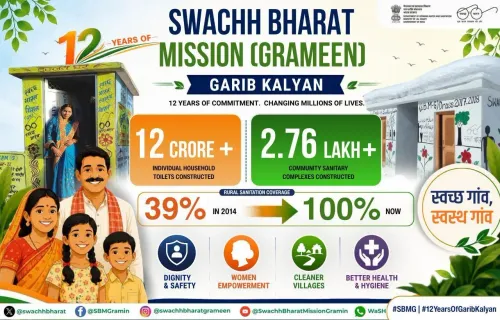
Swachhata Hi Seva is an annual nationwide drive linked to the Swachh Bharat Mission , launched in 2014 .
The campaign traditionally peaks in the lead-up to Gandhi Jayanti on 2 October , mobilising schools as primary agents of behavioural change.
As Jal Shakti Minister, Paatil's portfolio directly encompasses rural sanitation goals, making the drive a ministerial as well as constituency activity.
Schoolchildren in Navsari Lok Sabha constituency threw themselves into cleanliness activities on Tuesday, 29 September 2026, as Union Jal Shakti Minister C. R. Paatil highlighted their enthusiastic participation in the annual Swachhata Hi Seva campaign — reinforcing a pledge, as he put it, for a cleaner and healthier society.
Posting in Gujarati, Paatil wrote: 'Swachhata Hi Seva' antargat Navsari Lok Sabha vistar maa shaalana balakoe swachhata angeni vividh pravruttiomaa utsaahpurvak sahbhagi bani swachh ane swasth samaajna sankalpne vadhu majboot banavyo — 'Under Swachhata Hi Seva, schoolchildren in the Navsari Lok Sabha area enthusiastically participated in various cleanliness activities and further strengthened the resolve for a clean and healthy society.'
What Swachhata Hi Seva means — and why schools are front and centre
Swachhata Hi Seva is a yearly nationwide mobilisation drive anchored to the Swachh Bharat Mission, which the Central government launched in 2014 to eliminate open defecation and overhaul solid waste management across urban and rural India. The campaign channels public energy into voluntary cleanliness work in the weeks leading up to Gandhi Jayanti on 2 October.
Schools have consistently been the campaign's most visible front. Behavioural change around sanitation, hygiene experts argue, takes root early — and a child who carries the habit home reshapes a household. That logic has made school-based drives a deliberate centrepiece of the mission's outreach strategy year after year.
Paatil's Navsari — and the Jal Shakti connection
Navsari, a constituency in south Gujarat, is Paatil's political home ground. As a senior BJP leader and former Gujarat BJP state president, he has long used Navsari as a showcase for party-led social initiatives. His current ministerial role at Jal Shakti adds a pointed dimension: the ministry's mandate spans both water conservation and rural sanitation under the Swachh Bharat and Jal Jeevan Mission frameworks, making cleanliness drives a direct portfolio concern rather than merely a constituency gesture.
Central ministers spotlighting Swachh Bharat activities in their own constituencies is a well-established pattern — part performance, part genuine grassroots mobilisation. The Navsari event fits that template precisely, while also signalling that Phase 2 targets for solid and liquid waste management in Gujarat districts remain a live priority.
Point of View
Showcasing youth participation in Navsari is also a soft signal that grassroots momentum behind the mission has not faded. It is routine, but routine with purpose.
NationPress
29 Sept 2026
Frequently Asked Questions
What is Swachhata Hi Seva?
'Swachhata Hi Seva' is an annual nationwide cleanliness campaign linked to India's Swachh Bharat Mission . It mobilises citizens — especially schoolchildren — through voluntary sanitation and hygiene activities, typically in the weeks before Gandhi Jayanti on 2 October .
What did C. R. Paatil post about Swachhata Hi Seva?
On 29 September 2026 , Union Jal Shakti Minister C. R. Paatil shared a video on X showing schoolchildren in Navsari Lok Sabha constituency enthusiastically taking part in various cleanliness activities under the Swachhata Hi Seva campaign.
What is C. R. Paatil's role in the Swachh Bharat Mission?
As Union Minister of Jal Shakti , Paatil heads a ministry whose mandate includes rural sanitation under the Swachh Bharat Mission, making cleanliness drives a direct part of his ministerial responsibilities rather than just a political gesture.
When was the Swachh Bharat Mission launched?
The Swachh Bharat Mission was launched in 2014 by the Central government to eliminate open defecation and improve solid and liquid waste management across urban and rural India.
Why are school children targeted in Swachhata Hi Seva drives?
Children are seen as long-term agents of behavioural change — a child who adopts hygiene habits early is likely to influence household practices. Schools therefore serve as the most consistent and high-impact venue for Swachh Bharat outreach activities.