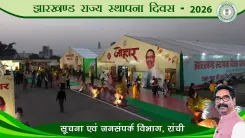
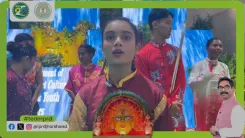
Jharkhand CMO hails folk culture, youth connect on Sthapna Diwas
Synopsis
The Jharkhand CMO on 27 November 2026 said it had felt the state's folk dance, songs and roots at close range, and that Foundation Day is giving youth a chance to connect with history, culture and tourism.
Key Takeaways
The Chief Minister's Office of Jharkhand on 27 November 2026 described a first close encounter with the state's culture, folk dance, folk songs and roots.
The office said Foundation Day is giving the young generation a splendid chance to connect with history, culture and tourism.
Jharkhand was formed on 15 November 2000 under the Bihar Reorganisation Act.
The state is known for tribal folk forms including Chhau dance and Santhali music.
The post did not announce a new scheme; it framed culture as identity and a tourism draw for youth.
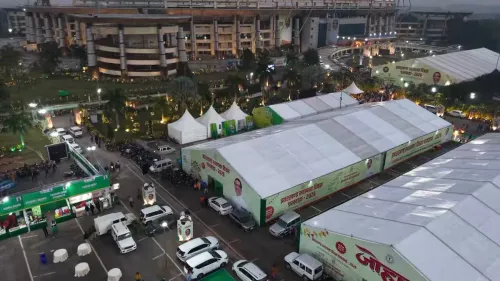
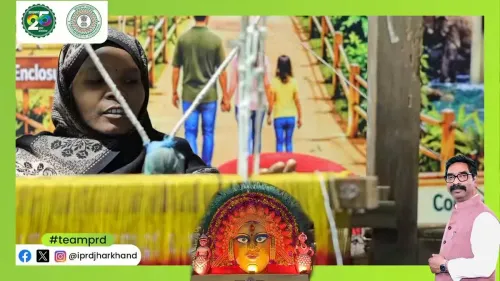
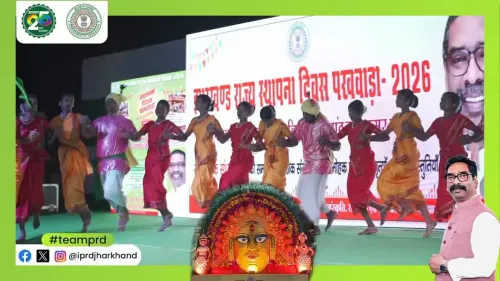
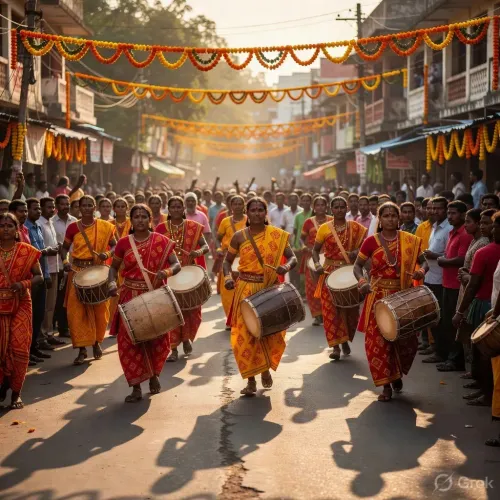
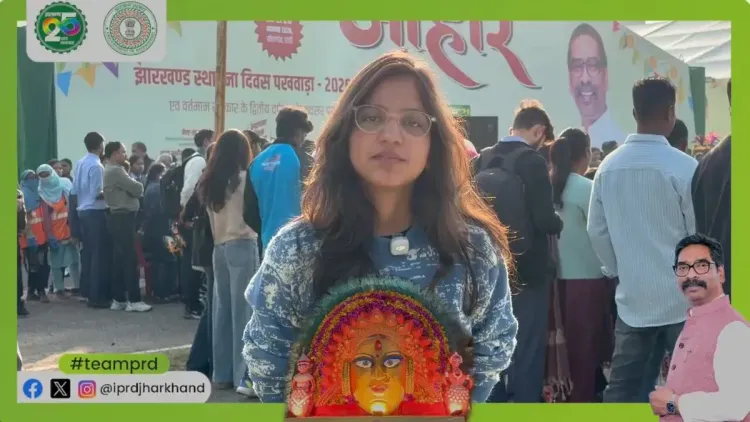
Drums, soil, songs — that is how a state remembers itself. On Friday, 27 November 2026, the Chief Minister's Office of Jharkhand said it had felt that memory at close range for the first time: the culture, the folk dance, the folk songs and the roots of the land. Foundation Day, it added, is handing the young generation a rare chance to plug into history, culture and tourism in one sweep.
The Hindi post opened as a salute — झारखण्ड की मिट्टी, उसकी कला और उसकी आत्मा (Jharkhand's soil, its art and its soul). Then came the line that landed: for the first time, there was a chance to feel the state's culture, folk dance, folk songs and roots so closely. On Foundation Day, the office said, the young generation is getting a splendid opportunity to connect with their history, culture and tourism.
Folk dance, folk song and the soil of a 2000 state
Jharkhand was carved from southern Bihar on 15 November 2000 under the Bihar Reorganisation Act. Tribal communities and living folk forms — Chhau dance and Santhali music among them — have always been more than ornament. They are how the state tells itself who it is.
Formation-day calendars across India run on the same logic. Stage the dances. Sing the songs. Tighten the bond with local identity. And, increasingly, put that heritage on the tourism map. The CMO note sits in that lineage. It names no new festival. It names a feeling, then a generation.
Sthapna Diwas as a youth-and-tourism pitch
The centre of gravity in the post is the young. Sthapna Diwas (Foundation Day) is framed not as a closed ritual for those who remember 2000, but as an open door for those who do not. History, culture and tourism are bundled as one invitation.
Folk artists and students are the obvious audience for that invitation. Follow-up festivals and heritage trails are the usual next chapter in such state-level cultural drives. The post itself stopped at the mood: the soil felt up close, and offered to the young.
For a state born in 2000, the prize is not one close encounter with roots. It is whether the next generation keeps singing, dancing and returning to the land that made them.
Point of View
Not a once-a-year stage.
NationPress
28 Nov 2026
Frequently Asked Questions
When is Jharkhand Foundation Day or Sthapna Diwas?
Jharkhand marks Foundation Day on 15 November each year, the date the state was formed in 2000. The CMO post on 27 November 2026 linked those celebrations to youth connecting with history, culture and tourism.
What did the Jharkhand CMO say about folk culture?
The Chief Minister's Office said it had felt Jharkhand's culture, folk dance, folk songs and roots so closely for the first time. It also said Foundation Day is giving the young generation a splendid chance to connect with history, culture and tourism.
When was Jharkhand formed as a state?
Jharkhand was established on 15 November 2000 under the Bihar Reorganisation Act, carved from southern Bihar. Annual Sthapna Diwas programmes typically showcase tribal folk arts.
Which folk traditions is Jharkhand known for?
Jharkhand is known for tribal folk traditions including Chhau dance and Santhali music. The CMO post referred broadly to folk dance, folk songs and the state's roots rather than naming a single form.
Why is Foundation Day linked to tourism in Jharkhand?
Indian states often use formation-day cultural programmes to strengthen local identity and promote heritage tourism. The Jharkhand CMO framed Sthapna Diwas as a chance for youth to engage with history, culture and tourism together.