India's first hydrogen train flagged off from Jind, PM Modi inaugurates Jind-Sonipat route
Synopsis
India joined a handful of nations running hydrogen-powered trains as PM Modi flagged off the country's first such service from Jind in Haryana. With an indigenous refuelling facility already in place and PESO clearance secured, the Jind-Sonipat pilot is more than a ribbon-cutting — it is India's opening move in the next generation of clean rail mobility.
Key Takeaways
PM Narendra Modi inaugurated India's first hydrogen-powered train from Jind, Haryana on Friday, 18 July 2025 .
The train operates on the Jind-Sonipat pilot route under Indian Railways' clean energy initiative.
An indigenous hydrogen storage and refuelling facility has been established at Jind ; PESO has issued the required licence for compressed hydrogen gas storage and dispensing.
India joins Germany , Japan , China , and the United States in developing or testing hydrogen-based rail systems.
The project supports India's goal of achieving net-zero carbon emissions in the rail sector.
Locals have welcomed the launch but called for a future extension of the route from Jind to Panipat .
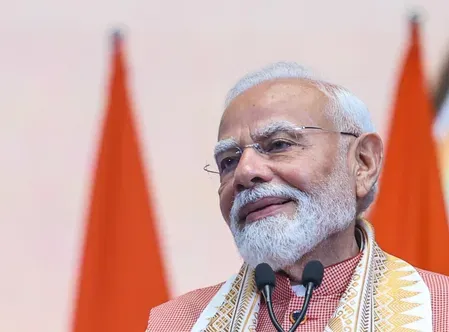
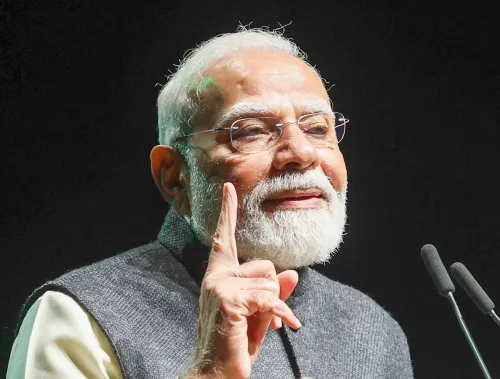
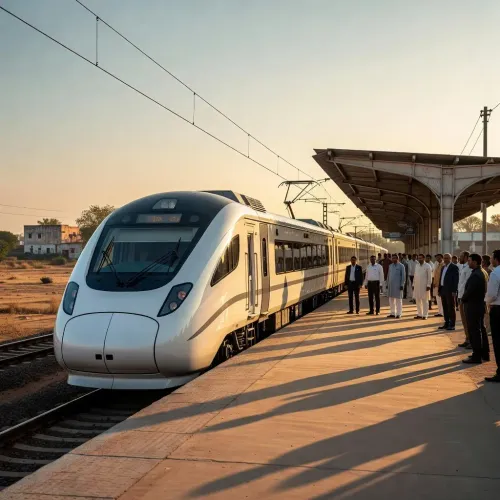
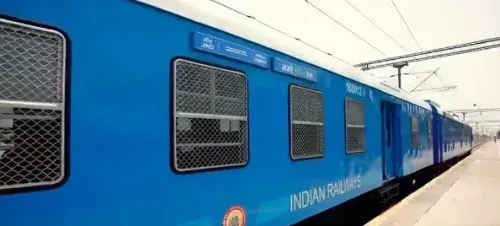
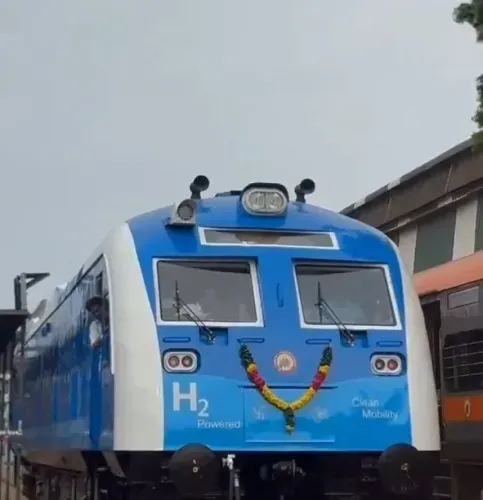
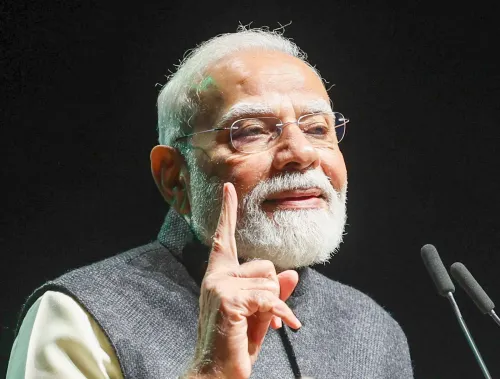
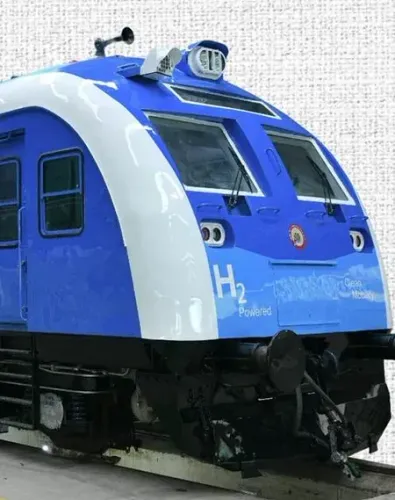
Prime Minister Narendra Modi on Friday, 18 July 2025, flagged off India's first hydrogen-powered train from Jind in Haryana, marking the country's entry into a select group of nations deploying hydrogen technology for cleaner rail transport. The train will operate on the Jind-Sonipat route, chosen as the pilot corridor for this milestone project under Indian Railways' clean energy drive.
A Historic First for Indian Railways
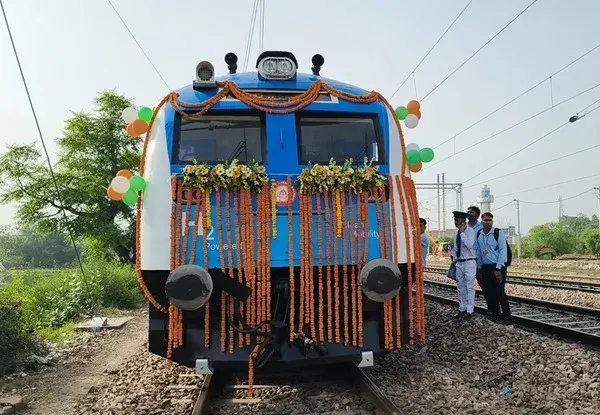
Jind witnessed a festive atmosphere ahead of the inauguration, with the hydrogen train decorated with flowers and balloons as residents gathered to mark what many described as a landmark moment. The launch places India alongside Germany, Japan, China, and the United States — a small group of nations currently developing or testing hydrogen-based rail systems.
An indigenous hydrogen storage and refuelling facility has been established at Jind specifically for the train set. The Petroleum and Explosives Safety Organisation (PESO) has issued the requisite licence for storage and dispensing of compressed hydrogen gas at the facility — a critical regulatory clearance that enabled the launch.
What Locals Said
Residents of Jind expressed enthusiasm about the new service. 'We are extremely happy. A train service will now operate from our area, which will save time and reduce the difficulties faced by the public. The fare is also reasonable,' one local resident said. Another called it a moment for the history books: 'For the first time, a hydrogen train is running in our Jind. This will be written in history. There is a festive atmosphere here, and it is a matter of great happiness.'
A third resident, while welcoming the launch, flagged a practical concern — that the route should eventually be extended. 'This will benefit people greatly. It will play an important role in the progress of Jind. One thing is that this train should be extended from Jind to Panipat because there are not as many passengers on the Sonipat route,' the resident said.
Why the Jind-Sonipat Route Was Selected
The Jind-Sonipat section was identified as the pilot route for hydrogen-powered train operations due to its operational suitability for testing the new technology at scale. The infrastructure built at Jind — including the refuelling station — is designed to support the train set on this corridor as the technology is evaluated before any potential expansion.
Notably, hydrogen-powered rail remains at an early stage globally, with only a handful of countries operating or trialling such systems. India's entry into this space signals an acceleration of its clean energy ambitions in the transport sector.
Alignment with India's Net-Zero Goals
The hydrogen train project aligns directly with India's stated objective of achieving net-zero carbon emissions and its broader push toward energy-efficient, environmentally sustainable transport. Indian Railways, one of the world's largest rail networks, has set an ambitious target of becoming net-zero by 2030, and hydrogen traction is seen as a key lever alongside electrification.
This comes amid growing global momentum around green hydrogen as a fuel source for heavy transport — a segment where battery-electric solutions face range and weight limitations. The Jind launch is, in that sense, both a domestic milestone and a signal of India's intent to compete in the next generation of clean mobility technology.
How quickly the technology scales beyond the pilot route will be the defining question in the months ahead.
Point of View
But the harder question is what comes after the pilot. India has a pattern of inaugurating technology firsts — electric locomotives, semi-high-speed trains, Vande Bharat — where the gap between the inaugural run and network-wide rollout stretches into years. Hydrogen traction is expensive, infrastructure-intensive, and globally still unproven at scale; even Germany, an early mover, has moved cautiously. The real test for Indian Railways will be whether the Jind-Sonipat corridor generates credible operational data — on reliability, refuelling turnaround, and per-kilometre cost — that can justify expansion. Without that evidence base, the hydrogen train risks becoming another showcase project rather than a systemic shift.
NationPress
17 Jul 2026
Frequently Asked Questions
What is India's first hydrogen-powered train and where does it run?
India's first hydrogen-powered train was inaugurated by Prime Minister Narendra Modi from Jind in Haryana and operates on the Jind-Sonipat route as a pilot project. It is part of Indian Railways' push toward cleaner, more sustainable rail transport aligned with India's net-zero carbon goals.
Where is the hydrogen refuelling facility for the train located?
An indigenous hydrogen storage and refuelling facility has been established at Jind specifically for the train set. The Petroleum and Explosives Safety Organisation (PESO) has issued the required licence for storage and dispensing of compressed hydrogen gas at this facility.
Which countries operate or test hydrogen-powered trains?
India now joins Germany, Japan, China, and the United States in the group of nations developing or testing hydrogen-based rail systems. The technology remains at an early stage globally, with only a limited number of countries currently operating or trialling such trains.
Why was the Jind-Sonipat route chosen for the hydrogen train pilot?
The Jind-Sonipat section was selected as the pilot corridor for hydrogen-powered train operations based on its operational suitability. The supporting infrastructure, including the refuelling station, has been built at Jind to service the train set on this route during the pilot phase.
How does the hydrogen train fit into India's clean energy goals?
The hydrogen train project directly supports India's objective of achieving net-zero carbon emissions and Indian Railways' broader target of becoming net-zero by 2030. Hydrogen traction is seen as a key complement to electrification, particularly for segments where battery-electric solutions face range and weight limitations.