Jitendra Singh: Cabinet clears Aqua Line Metro extension to Greater Noida
Synopsis
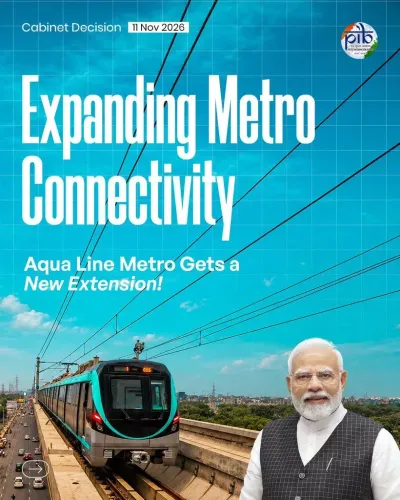
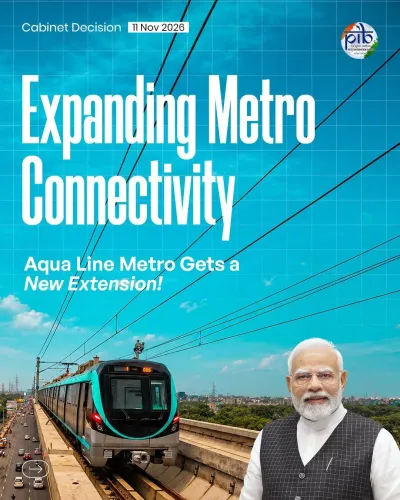
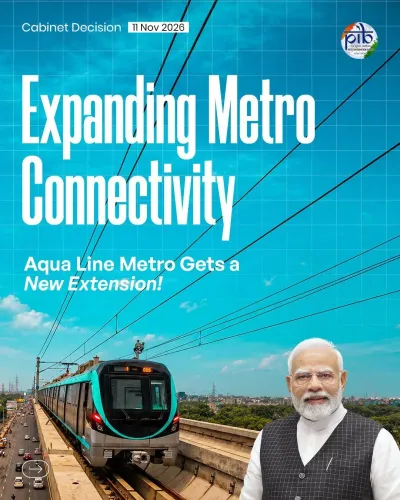
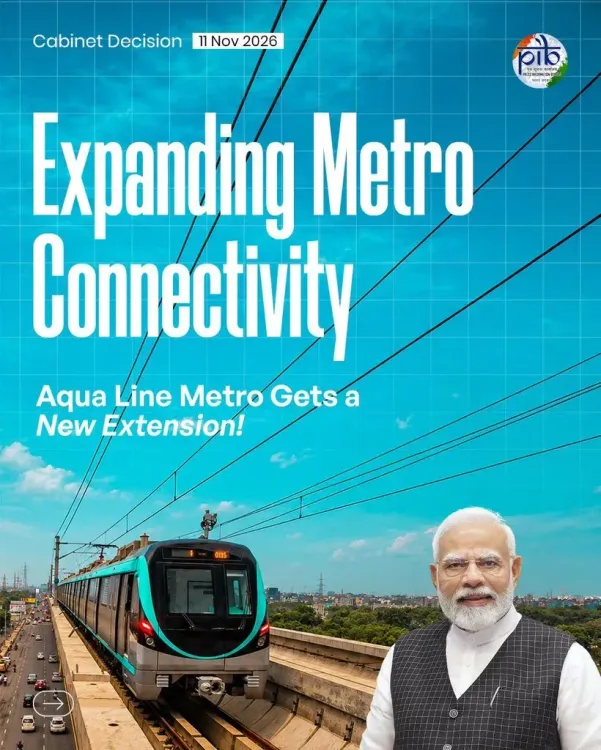
The Union Cabinet has approved the extension of the Aqua Line Metro from Noida Sector-51 to Greater Noida Sector-04 — covering 8.449 km with 5 new stations — bringing the combined Noida-Greater Noida metro network to 71.878 km, Union Minister Dr. Jitendra Singh announced on November 11, 2026.
Key Takeaways
The Union Cabinet approved the Aqua Line Metro extension from Noida Sector-51 to Greater Noida Sector-04 on November 11, 2026 .
The extension covers 8.449 km and adds 5 new stations to the existing corridor.
The combined active metro network of Noida and Greater Noida will reach 71.878 km after this addition.
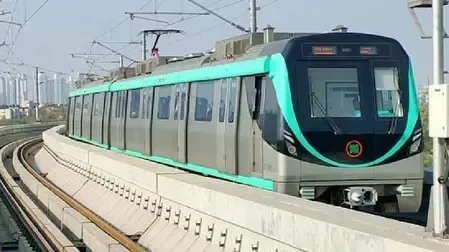
The Aqua Line , operated by Noida Metro Rail Corporation (NMRC) , was originally inaugurated in 2019 as the NCR's first standalone metro outside the Delhi Metro network.
The approval follows a broader central government pattern of phased metro expansion across NCR satellite cities.
Key next steps include tendering, land acquisition, and finalising construction timelines for the new stretch.
India's urban transit map just got a significant redraw in the National Capital Region. Union Minister Dr. Jitendra Singh announced on Wednesday, November 11, 2026, that the Union Cabinet — under the leadership of Prime Minister Narendra Modi — has approved the extension of the Aqua Line Metro from Noida Sector-51 to Greater Noida Sector-04, adding 8.449 km and 5 new stations to the corridor.
What the extension adds to Noida-Greater Noida's metro map
With this Cabinet nod, the combined active metro network across Noida and Greater Noida will stretch to 71.878 km — a substantial footprint for a satellite-city pair that continues to absorb population and economic activity from the national capital. The Aqua Line, operated by the Noida Metro Rail Corporation (NMRC), first came to life in 2019 as the NCR's first standalone metro corridor outside the Delhi Metro network. That inauguration was itself a marker; this extension is the next chapter.
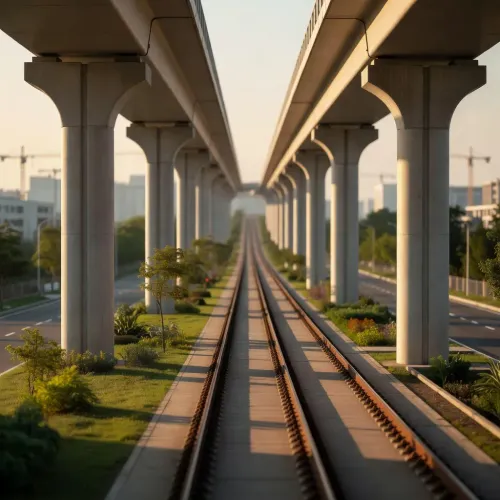
The new stretch will bridge a gap that commuters between southern Noida and Greater Noida have long flagged — the last-mile disconnect that pushes people onto private transport despite a metro line running close by. Five stations across 8.449 km means a stop roughly every 1.7 km, a density suited to dense residential and institutional zones.
The Cabinet decision in the NCR's bigger transit picture
Successive administrations have pursued phased metro expansion across the NCR as a structural response to Delhi's congestion spill-over into satellite cities. The current government has accelerated this through a series of Cabinet-level corridor approvals — linking Noida, Greater Noida, Ghaziabad, Gurugram and Faridabad into an ever-denser rapid-transit web. This latest approval fits squarely into that pattern of central-state coordination on urban mobility.
Greater Noida, developed under the Greater Noida Industrial Development Authority, has grown into a major residential and institutional hub — home to universities, auto-manufacturing clusters, and the Yamuna Expressway corridor. Better metro connectivity directly widens its labour catchment area and reduces vehicular pressure on the expressway.
What to watch as the project moves forward
A Cabinet approval is the starting gun, not the finish line. The next milestones to track are tendering for civil and systems work, land acquisition across the alignment, and the eventual construction timeline. Projects of this scale in dense urban corridors routinely face delays at the land and utility-shifting stages — those will be the pressure points to watch.
For now, the approval signals political priority and financial commitment from the Centre, giving NMRC the mandate to push the project into execution mode.
Seventy-one kilometres of active metro in a satellite-city duo that did not have a single metro station a decade ago — the NCR's urban transit story is moving fast, and this extension just added another leg to the race.
Point of View
As with all such approvals, will be whether execution timelines hold — that is where this project's legacy will actually be written.
NationPress
11 Nov 2026
Frequently Asked Questions
What is the Aqua Line Metro and where does it run?
The Aqua Line Metro is a rapid transit corridor in the NCR operated by the Noida Metro Rail Corporation, linking Noida and Greater Noida. It was inaugurated in 2019 as the first standalone metro line in the NCR outside the Delhi Metro network.
What has the Cabinet approved for the Aqua Line Metro?
The Union Cabinet approved the extension of the Aqua Line Metro from Noida Sector-51 to Greater Noida Sector-04, adding 8.449 km and 5 new stations to the existing corridor.
How long will the Noida-Greater Noida metro network be after this extension?
After the extension, the combined active metro network of Noida and Greater Noida will be 71.878 km.
Who announced the Aqua Line Metro extension Cabinet approval?
Union Minister of State (Independent Charge) for Science and Technology Dr. Jitendra Singh announced the Cabinet approval on November 11, 2026, attributing the decision to PM Narendra Modi's leadership.
What are the next steps after the Cabinet approval of the Aqua Line extension?
Following Cabinet approval, the project will move to tendering for civil and systems work, land acquisition along the alignment, and setting construction timelines — these are the key milestones to watch.