Is the Safety of Kashmiris in Jeopardy? JKSA Appeals to Home Minister
Synopsis
The J&K Students Association has reached out to Union Home Minister Amit Shah following a brutal attack on a young Kashmiri shawl vendor. The incident highlights escalating violence against Kashmiris, raising pressing concerns about their safety and constitutional rights.
Key Takeaways
Urgent action needed to prevent further violence against Kashmiris.
Highlighting the distress faced by Kashmiri students and traders .
The incident reflects a broader pattern of identity-based harassment .
Need for government intervention to restore safety and dignity.
Kashmiris are integral to India’s national fabric .
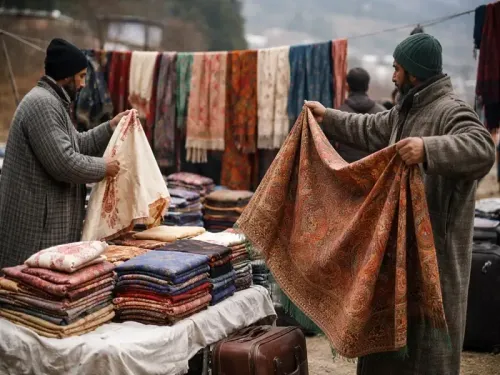
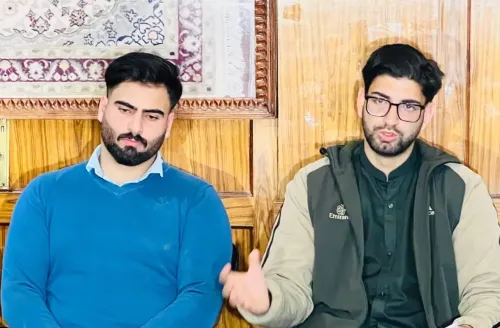
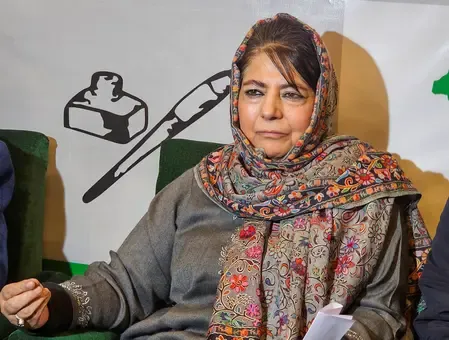
Srinagar, Jan 31 (NationPress) The J&K Students Association (JKSA) reached out to Union Home Minister Amit Shah on Saturday regarding the alarming incident involving a Kashmiri shawl vendor in Uttarakhand. This comes as the former Chief Minister and president of the Peoples Democratic Party (PDP), Mehbooba Mufti, expressed her worries concerning the safety of Kashmiris.
In their communication to Amit Shah, JKSA urged for immediate action against what they termed a “disturbing and ongoing trend of identity-based harassment and violence” against Kashmiri traders, shawl vendors, laborers, and students in several northern Indian states, which has followed the brutal attack on an 18-year-old Kashmiri individual in Dehradun, Uttarakhand.
According to the association, the assault took place in the Vikas Nagar locality of Dehradun, where the young vendor was trying to support his family by selling shawls during the difficult winter months.
As per the association’s report, the youth was interrogated about his identity and origin. Upon realizing that the family belonged to the Muslim faith and was from Kashmir, the situation escalated into extreme violence.
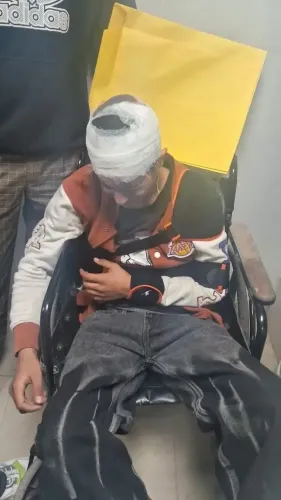
The individual was savagely beaten with iron rods, leading to a fracture in his left arm and serious head injuries requiring 13 stitches. Blood was reportedly flowing profusely from his head during the attack. His brother also faced violent treatment, while other family members were slapped and assaulted.
The victim was initially taken to a local hospital and later transferred to Doon Hospital, Dehradun, where he continues to receive medical care.
Labeling the assault as “not just a criminal act but a serious indication of identity-based violence,” the association asserted that this incident undermines India’s constitutional principles, national unity, and internal harmony. Khuehami stressed that the incident in Vikas Nagar Dehradun should not be viewed in isolation.
He highlighted a series of similar occurrences over the past year that have targeted Kashmiri traders, seasonal shawl sellers, laborers, and students in states including Uttarakhand, Haryana, Himachal Pradesh, and nearby areas.
These occurrences, as stated by the association, reflect a hostile atmosphere where Kashmiris are increasingly being profiled, targeted, and made to feel unsafe solely due to their identity.
“As a result, numerous Kashmiri students and traders are living in constant fear and severe psychological distress. Many have had to leave the states where they were studying or earning a livelihood,” the letter indicated, noting that repeated instances of violence have disrupted education, caused loss of income, and severely tarnished dignity and personal security.
“Nothing undermines the concept of India in Kashmir more than the repeated targeting, threatening, humiliating, or forcing of innocent Kashmiris to flee, while the assailants feel they can act without consequence,” Khuehami remarked.
He further mentioned that such incidents could exacerbate alienation, weaken emotional ties, and jeopardize India's long-term national interests.
The letter emphasized that Kashmiris are not outsiders but equal citizens, integral to the Indian Union, deserving of the same constitutional rights, freedoms, and dignity as any other Indian.
The association additionally warned that permitting communal profiling and violence against Kashmiri citizens to persist unchecked might inadvertently fulfill the goals of hostile external entities.
“This is exactly what our adversarial neighbor aims to achieve: to create internal divisions, disrupt social cohesion, and weaken India's national fabric from within,” it stated.
Pointing out the historical significance of Kashmiri traders, laborers, and students who travel across the country for education and seasonal work, the association noted that they have served as quiet ambassadors of integration, bolstering interpersonal connections through daily interactions, trade, and coexistence.
“For decades, they believed their social and economic future was tied to India. Today, that belief is being shaken,” they observed. Stressing that violence, intimidation, and communal hatred must never be normalized, the association called on the Union Home Ministry for decisive intervention.
They requested the Home Minister to obtain a detailed report from the Uttarakhand government regarding the Vikas Nagar incident and all similar cases reported in the past year, including FIR statuses, arrests, prosecutions, convictions, and preventive measures taken by the state.
The association also sought unequivocal and binding directives for strict, time-bound law enforcement, accountability for shortcomings, and the establishment of effective security and monitoring systems to protect Kashmiri traders.
Khuehami stated that timely intervention from the Union government would help rebuild trust among affected families, prevent further alienation, and reaffirm the Centre's unwavering commitment to safeguarding the constitutional rights, dignity, and safety of all citizens.
Meanwhile, PDP president Mehbooba Mufti expressed her outrage on X, stating, “When a young Kashmiri shawl seller is nearly beaten to death in Uttarakhand, no one comes to his aid. Yet, when the PDP attempts a peaceful protest against such injustices, the entire police force is mobilized to suppress our march. Kashmiris are confined within J&K and assaulted when they step out to earn an honest living. When survival itself is treated as a crime, where are Kashmiris supposed to go from here? Are they even allowed to exist in New India?”
Point of View
It is crucial for government authorities to take decisive action to protect all citizens, irrespective of their background, ensuring that the ideals of safety and dignity are upheld for every individual.
NationPress
28 Sept 2026
Frequently Asked Questions
What prompted the JKSA to write to the Home Minister?
The JKSA wrote to the Home Minister following a violent attack on a young Kashmiri shawl vendor in Uttarakhand, highlighting a disturbing trend of identity-based violence against Kashmiris.
What are the concerns raised by Mehbooba Mufti?
Mehbooba Mufti expressed her concerns regarding the safety of Kashmiris, emphasizing the harsh treatment they face outside Jammu and Kashmir.
What specific actions is the JKSA requesting from the Home Minister?
The JKSA is requesting a detailed report on the Vikas Nagar incident and similar cases, along with clear directives for law enforcement to protect Kashmiri citizens.
How has the attack affected the Kashmiri community?
The attack has instilled fear among Kashmiri students and traders, leading many to leave their places of study or work, significantly impacting their livelihoods and mental health.
What does the JKSA say about the identity-based violence?
The JKSA characterizes the violence as a grave manifestation of identity-based harassment that undermines the constitutional values and unity of India.