Pralhad Joshi hails Bhupen Hazarika Setu as Northeast connectivity symbol
Synopsis
Union Minister Pralhad Joshi on 20 June 2026 highlighted the Bhupen Hazarika Setu as a transformative infrastructure milestone in the Northeast, crediting PM Modi's leadership for accelerating connectivity and improving ease of living across the eight-state region.
Key Takeaways
Pralhad Joshi posted on 20 June 2026 praising the Bhupen Hazarika Setu under the #12YearsOfRisingNorthEast hashtag.
The Bhupen Hazarika Setu (Dhola-Sadiya bridge) over the Lohit river was inaugurated by PM Modi in May 2017 and links Assam and Arunachal Pradesh .
The bridge was India's longest road bridge at the time of its inauguration, replacing time-consuming ferry crossings.
The post is part of a BJP campaign marking 12 years of the central government's Northeast development push under the Act East Policy .
Key beneficiaries include residents of Assam and Arunachal Pradesh , Northeast traders, tourists, and the defence establishment.
Future focus areas include trans-Arunachal highway corridors, rail links and multi-modal logistics hubs across the eight Northeastern states.
Union Consumer Affairs Minister Pralhad Joshi on Saturday, 20 June 2026 highlighted the Bhupen Hazarika Setu as a landmark achievement in Northeast infrastructure, crediting the bridge with reducing travel time, boosting trade and tourism, and bringing communities closer across the region.
Context
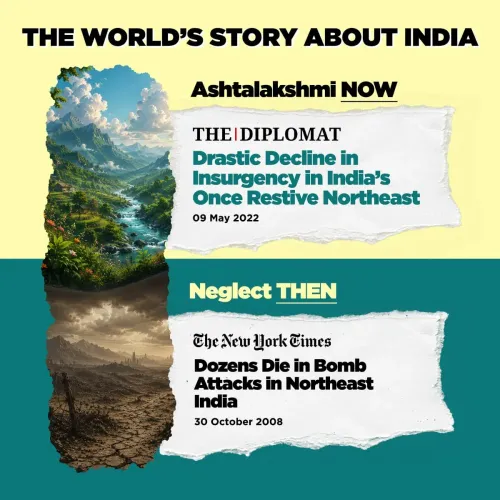
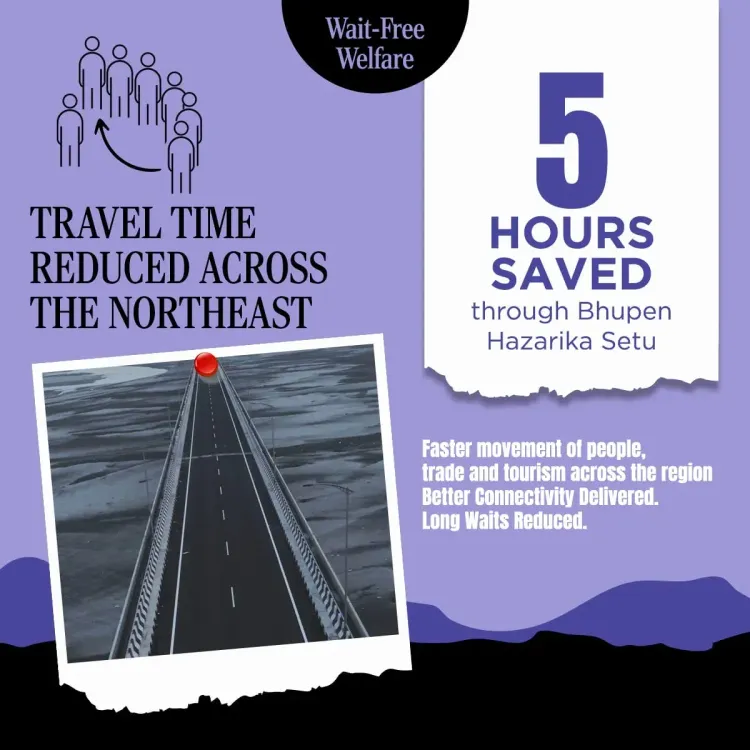
Posting under the hashtag #12YearsOfRisingNorthEast, Joshi wrote: 'From hours of waiting to seamless connectivity, the Northeast is moving faster than ever before. The Bhupen Hazarika Setu stands as a symbol of transformative infrastructure, reducing travel time, boosting trade and tourism, and bringing communities closer across the region.' The post is part of a broader BJP communication campaign marking 12 years of the party-led central government's focus on the Northeast.
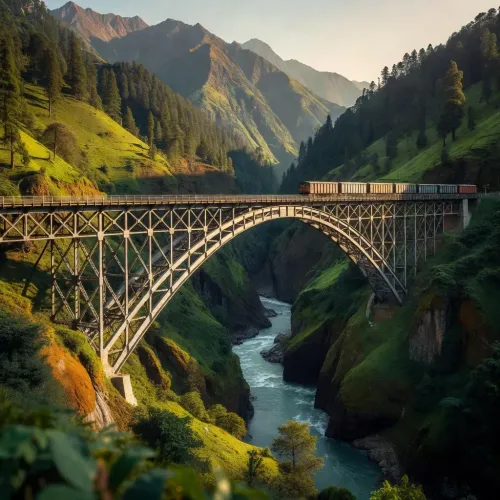
The Bhupen Hazarika Setu, also known as the Dhola-Sadiya bridge, spans the Lohit river in Assam and was inaugurated by Prime Minister Narendra Modi in May 2017. At the time of its opening it was India's longest road bridge, physically linking Assam and Arunachal Pradesh and cutting what had previously been a multi-hour ferry crossing to a short drive.
Policy Backdrop
Since 2014, the central government has placed Northeast connectivity at the centre of its Act East Policy, channelling funds into roads, bridges, rail links and multi-modal corridors across all eight Northeastern states. The Bhupen Hazarika Setu was among the early flagship deliveries of that policy, symbolising the administration's intent to integrate remote and border regions with the national mainstream.
Joshi underscored this framing in his post, noting that 'under the leadership of PM Shri Narendra Modi, infrastructure development is accelerating growth and improving ease of living for every citizen.' The messaging aligns with the government's consistent positioning that physical connectivity is a prerequisite for economic and social development in the region.
Stakeholders and Impact
The primary beneficiaries of the Bhupen Hazarika Setu are residents of Assam and Arunachal Pradesh, particularly communities in the Tinsukia and Dhola areas who previously depended on ferry services that were unavailable during monsoon flooding. Traders moving goods between the two states and tourists accessing Arunachal Pradesh's interior have also seen logistics improve since the bridge opened.
Broader stakeholders include Northeast-based businesses that rely on road freight, and the defence establishment, for which the bridge provides a strategic all-weather route to the Arunachal Pradesh border. The bridge has been cited repeatedly in government communications as evidence that the Act East Policy delivers tangible results for ordinary citizens.
What's Next
Attention now turns to the next generation of Northeast connectivity projects, including trans-Arunachal highway corridors, rail links to state capitals currently without rail connectivity, and multi-modal logistics hubs. Any new project announcements at upcoming North Eastern Council meetings or in the next Union Budget will be closely watched as indicators of whether the pace of infrastructure delivery is being maintained into the government's current term.
As the #12YearsOfRisingNorthEast campaign continues, ministers across portfolios are expected to amplify milestone projects, keeping Northeast development firmly in the national political conversation ahead of state assembly cycles in the region.
Point of View
Using the Bhupen Hazarika Setu as a durable, visible proof-point for governance delivery in a region that has historically felt peripheral to national politics. The choice of a bridge — tangible, photographable, life-changing for border communities — reflects the party's broader strategy of anchoring abstract policy claims in concrete infrastructure. With several Northeastern states having recently held or approaching assembly elections, sustained ministerial amplification of connectivity milestones serves both a developmental narrative and an electoral consolidation purpose. The campaign also signals that the Northeast will remain a high-priority messaging theatre for the central government through the current political cycle.
NationPress
18 Sept 2026
Frequently Asked Questions
What is the Bhupen Hazarika Setu?
The Bhupen Hazarika Setu, also called the Dhola-Sadiya bridge, is a road bridge over the Lohit river in Assam that links Assam and Arunachal Pradesh. It was inaugurated by PM Narendra Modi in May 2017 and was India's longest road bridge at the time of its opening.
Why did Pralhad Joshi post about the Bhupen Hazarika Setu?
Joshi posted as part of the BJP's '#12YearsOfRisingNorthEast' campaign on 20 June 2026, highlighting the bridge as a symbol of the central government's infrastructure push in the Northeast under PM Modi's leadership.
How has the Bhupen Hazarika Setu helped Northeast India?
The bridge replaced lengthy ferry crossings between Assam and Arunachal Pradesh with a quick road crossing, benefiting local residents, traders, tourists and the defence establishment with improved all-weather connectivity.
What is India's Act East Policy?
The Act East Policy is a central government initiative since 2014 that prioritises infrastructure development, trade links and diplomatic engagement with Southeast Asia, using the Northeast as a gateway. It has driven investment in roads, bridges and rail in all eight Northeastern states.
What infrastructure projects are planned next for Northeast India?
Future projects include trans-Arunachal highway corridors, rail links to state capitals currently without rail connectivity, and multi-modal logistics hubs. Announcements are expected at North Eastern Council meetings and in upcoming Union Budgets.