Ashwani Kumar Critiques Teaching Judicial Corruption to Children

Synopsis
The Supreme Court's concern over a chapter on judicial corruption in an NCERT Class 8 textbook has sparked debate. Former Law Minister Ashwani Kumar condemns teaching such topics to impressionable children, emphasizing the importance of protecting the judiciary's integrity.
Key Takeaways
Supreme Court raises concerns over teaching judicial corruption in schools.
Ashwani Kumar deems it unethical for young children.
Importance of protecting the judiciary's integrity .
Political responses call for careful consideration of educational content.
Discussion on broader corruption issues remains critical.
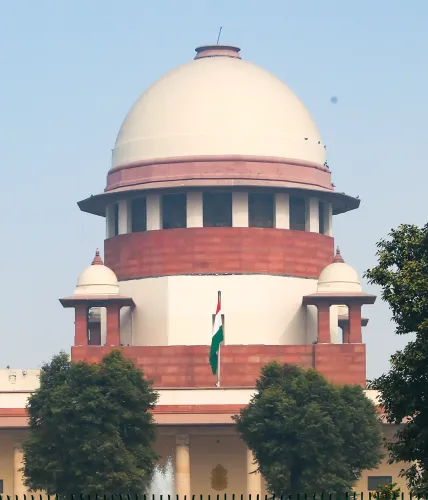
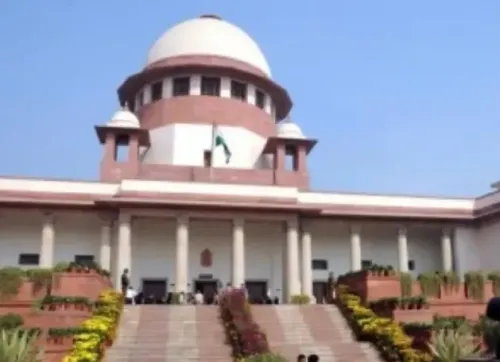
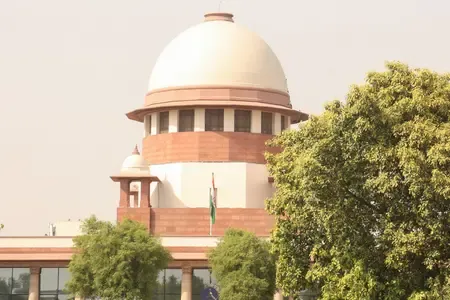
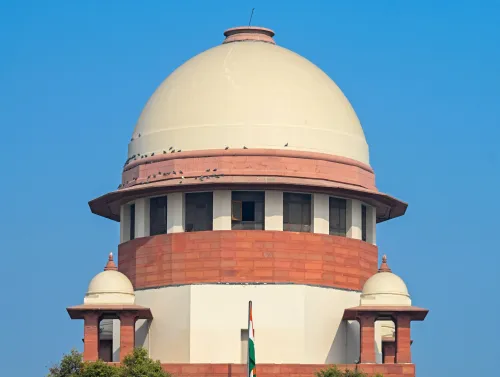
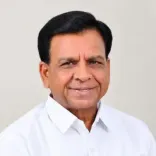
New Delhi, Feb 25 (NationPress) The Supreme Court raised serious concerns regarding a chapter focused on 'corruption' within the judiciary found in an NCERT Class 8 textbook. Former Union Minister for Law and Justice, Ashwani Kumar, supported the Court's stance, asserting that it is both inappropriate and unethical to educate impressionable children about judicial corruption.
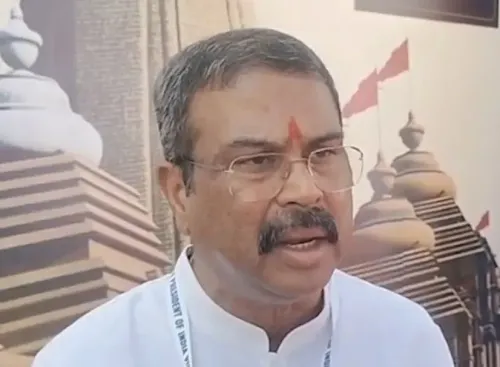
In a statement to IANS, Ashwani Kumar expressed, “I appreciate that the Honourable Chief Justice of India has taken this matter seriously. As the leader of the Indian judiciary and the judicial branch, he is fulfilling his constitutional obligation to protect the reputation of the institution and prevent unnecessary controversies, especially concerning young minds. It is misguided for any country to expose its children to the shortcomings of its institutions in a way that tarnishes the entire system.”
He went on to label the chapter within the NCERT curriculum as entirely misguided, condemning it as unacceptable. He emphasized that the judiciary plays a crucial role in the Indian democratic framework, contributing significantly to the protection and enhancement of democracy.
Kumar cautioned that framing the topic in such a manner risks unfairly generalizing and harming the institution's credibility.
“Educating children at such a young age about judicial corruption is not just wrong; it is unethical. We cannot generalize the entire judiciary based on the actions of a few. Any effort to malign the judiciary or undermine its role as an institution is entirely unacceptable and must be condemned strongly,” he told IANS.
Additionally, Congress MP Tariq Anwar responded to the Chief Justice’s comments, agreeing that the Supreme Court made a valid point regarding the textbook's content.
Tariq Anwar stated, “The Chief Justice has indeed acted correctly. The government appears to be misled. With history being altered in textbooks and events being misrepresented, this new issue of addressing corruption in the judiciary is concerning. I believe the Supreme Court has rightly acknowledged this.”
Meanwhile, Chief Justice of India, Surya Kant, emphasized that the court would not permit anyone to “defame the institution” and noted that he may initiate suo motu action.
“Please bear with us for a few days. The Bar and Bench are all disturbed, and all High Court judges share this concern. I will address this matter suo motu. I will not allow anyone to tarnish the institution. Justice will prevail,” the Chief Justice asserted.
This response from the Supreme Court followed senior lawyer Kapil Sibal’s revelation to the court about the NCERT teaching Class 8 students about “judicial corruption,” deeming it a serious issue.
“The NCERT's Class 8 textbook includes a segment on corruption in the judiciary! What about the rampant corruption among politicians, ministers, and public servants? Are those issues being ignored?” Sibal previously remarked on X.
Point of View
I believe the discourse surrounding the inclusion of judicial corruption in educational materials reflects a broader concern regarding the integrity of our institutions. It is essential to balance transparency on crucial issues while safeguarding the trust and respect for our judiciary, especially among younger generations.
NationPress
9 Oct 2026
Frequently Asked Questions
What was the Supreme Court's concern?
The Supreme Court expressed serious concerns regarding a chapter on judicial corruption included in an NCERT Class 8 textbook.
What did Ashwani Kumar say about this issue?
Ashwani Kumar stated that teaching children about judicial corruption is incorrect and unethical, emphasizing the importance of maintaining the integrity of the judiciary.
How did other politicians respond?
Congress MP Tariq Anwar supported the Chief Justice's remarks, agreeing that addressing corruption in the judiciary in textbooks is concerning.
What actions did the Chief Justice consider?
The Chief Justice indicated that he may take suo motu action to address the issue and protect the integrity of the institution.
What did Kapil Sibal's comments highlight?
Kapil Sibal pointed out the focus on judicial corruption while questioning the absence of discussions on corruption among politicians and public servants.