Karnataka bandh withdrawn: CM Shivakumar after Rakshana Vedike meets him
Synopsis
The Karnataka bandh over Cauvery water release to Tamil Nadu was called off on 13 August after Karnataka Rakshana Vedike leaders met Chief Minister D.K. Shivakumar at Vidhana Soudha. The shutdown had drawn a mixed response, with Bengaluru largely unaffected — but the underlying Cauvery dispute and farmer demands remain unresolved.
Key Takeaways
Karnataka Rakshana Vedike leaders met CM D.K.
Shivakumar at Vidhana Soudha, Bengaluru on 13 August and announced withdrawal of the Karnataka bandh .
The bandh was called to protest directions from the Cauvery Water Regulation Committee and Cauvery Water Management Authority to release water to Tamil Nadu .
The shutdown drew a mixed response statewide; Bengaluru remained largely unaffected with schools, shops, and markets open.
Police detained Kannada activists as a precautionary measure and deployed tight security across Bengaluru.
CM Shivakumar said he would consider the demands raised by the organisations concerning farmers and public welfare.
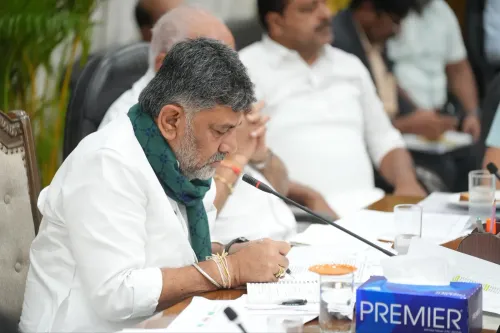
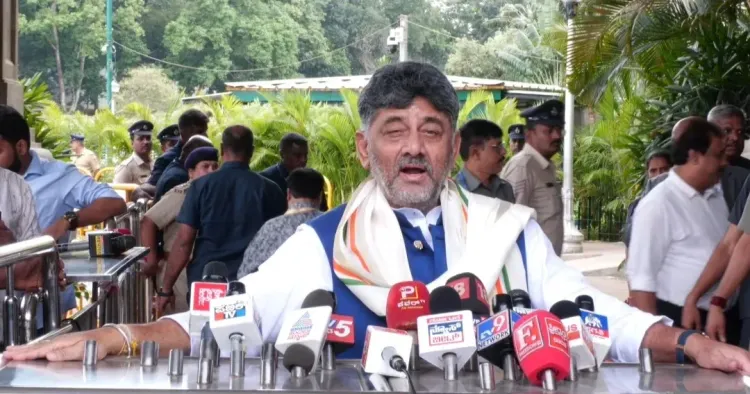
Karnataka Chief Minister D.K. Shivakumar on Thursday, 13 August announced that prominent leaders of the Karnataka Rakshana Vedike had met him at Vidhana Soudha in Bengaluru and informed him of their decision to withdraw the Karnataka bandh called in protest against the release of Cauvery water to Tamil Nadu. The Chief Minister welcomed the move and expressed gratitude to the Kannada organisations for prioritising the state's interests.
Rakshana Vedike Leaders Meet CM
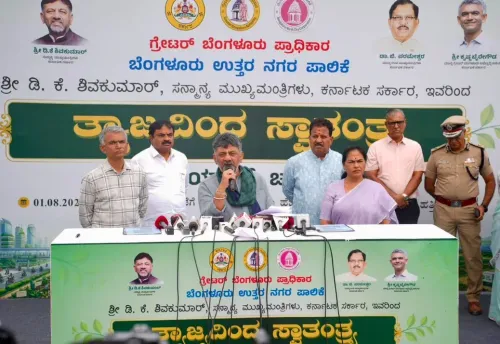
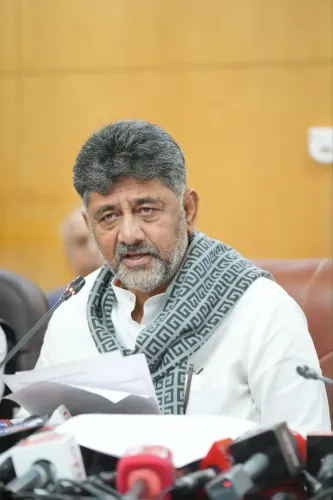
“Just now, prominent leaders of the Rakshana Vedike met us and told me that they will withdraw the protest. I am happy and convey my thanks and greetings to them for taking a stand in the interest of the state,” Shivakumar said, speaking to the media shortly after the meeting.
The Chief Minister added that the organisations had also placed before him certain demands related to the welfare of the state’s people and farmers. “They have also made certain demands in the interest and welfare of the people and farmers. I will consider them,” he said.
Why the Bandh Was Called
The Karnataka bandh had been called by Kannada and farmer organisations following directions from the Cauvery Water Regulation Committee and the Cauvery Water Management Authority to release Cauvery water to Tamil Nadu. The move triggered sharp resentment among pro-Kannada groups, who argued it hurt the interests of Karnataka’s farmers, particularly amid concerns over the state’s own water requirements.
This is not the first time the Cauvery dispute has spilled into street protests and shutdown calls — the river-sharing row between Karnataka and Tamil Nadu has recurred across decades, with periodic flare-ups whenever regulatory bodies direct water releases during deficit seasons.
Bandh Draws Mixed Response Across Karnataka
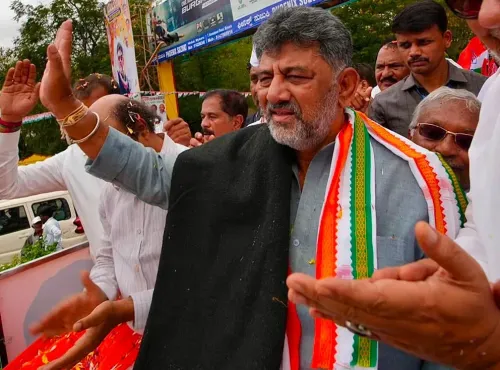
The shutdown received a mixed response across the state on Thursday. Public life remained largely unaffected in Bengaluru, with schools, colleges, shops, markets, and commercial establishments functioning normally. Kannada activists were detained by police as a precautionary measure ahead of the day’s events.
Police deployed tight security across Bengaluru and issued appeals to protesters to maintain peace, also warning against any attempt to forcibly shut down shops or other establishments.
CM’s Appeal to the Public
Addressing the people of Karnataka, Shivakumar said: “I convey my greetings to everyone on behalf of the people of Karnataka. I appeal that the truth and rightful matters should be conveyed to the people. Give your blessings to us.”
With the bandh now called off, attention shifts to whether the state government will formally engage with the demands raised by the Rakshana Vedike and allied farmer organisations, and how it navigates the politically sensitive Cauvery water-sharing question in the weeks ahead.
Point of View
Facing pressure from both pro-Kannada sentiment and the need to maintain law and order, was willing to provide one. The real story, however, is what comes next: the farmer demands placed before the CM remain unaddressed, and the Cauvery Water Management Authority’s release order has not been reversed. Karnataka’s political class has long used bandh calls as a pressure valve on the Cauvery issue without producing durable solutions, and this episode appears to follow that pattern.
NationPress
13 Aug 2026
Frequently Asked Questions
Why was the Karnataka bandh called on 13 August?
The Karnataka bandh was called by Kannada and farmer organisations to protest directions from the Cauvery Water Regulation Committee and the Cauvery Water Management Authority ordering the release of Cauvery water to Tamil Nadu. Protesters argued the release hurt Karnataka’s farmers and the state’s own water needs.
Who called off the Karnataka bandh?
Leaders of the Karnataka Rakshana Vedike informed Chief Minister D.K. Shivakumar at Vidhana Soudha in Bengaluru on 13 August that they were withdrawing the bandh. Shivakumar welcomed the decision and thanked the organisations for acting in the state’s interest.
How did Bengaluru respond to the Karnataka bandh?
Bengaluru remained largely unaffected by the bandh, with schools, colleges, shops, markets, and commercial establishments functioning normally. Police deployed tight security and detained some Kannada activists as a precautionary measure.
What demands did Kannada organisations place before CM Shivakumar?
The Karnataka Rakshana Vedike and allied organisations raised demands related to the welfare of the state’s people and farmers. CM Shivakumar acknowledged the demands and said he would consider them, without specifying a timeline or details.
What is the Cauvery water dispute between Karnataka and Tamil Nadu?
The Cauvery river-sharing dispute is a long-running inter-state conflict over the allocation of water from the Cauvery river between Karnataka and Tamil Nadu. The Cauvery Water Management Authority and Cauvery Water Regulation Committee are federal bodies that periodically direct Karnataka to release water to Tamil Nadu, often triggering protests in Karnataka, particularly during deficit rainfall seasons.