Karnataka CMO Champions Elephant Corridors on World Elephant Day
Synopsis
On World Elephant Day 2026, the Chief Minister's Office of Karnataka called elephants 'engineers of the forest' and pledged to protect elephant corridors and natural habitats to maintain ecological balance and curb rising human-elephant conflict across the state.
Key Takeaways
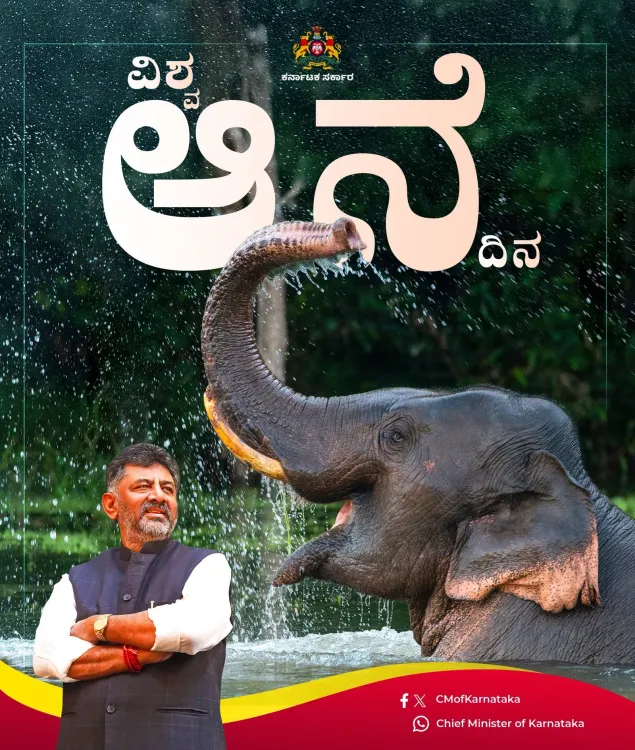
The Chief Minister's Office of Karnataka posted on World Elephant Day, August 12, 2026 , highlighting the ecological and cultural significance of elephants.
The post described elephants as 'engineers of the forest' for their role in plant regeneration, trail creation, and sustaining smaller organisms.
The Karnataka government reaffirmed its commitment to protecting elephant corridors and providing suitable natural environments for elephants.
Project Elephant , launched by the Government of India in 1992 , provides the national framework for corridor mapping and habitat restoration that Karnataka's efforts align with.
Human-elephant conflict, deforestation, and habitat loss were identified as challenges the government and citizens must collectively address.
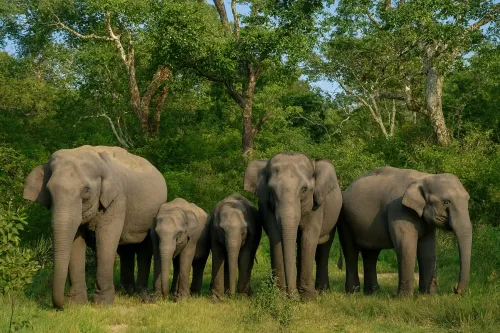
They are the architects of the forest — carving paths, regenerating plant life, and sustaining entire ecosystems that smaller creatures depend on. On World Elephant Day, August 12, 2026, the Chief Minister's Office of Karnataka posted a tribute to the elephant's irreplaceable ecological role, reaffirming the state government's commitment to protecting elephant corridors and restoring natural habitats.
The post, written in Kannada, called elephants 'kādina injiniyargaḷu' — 'engineers of the forest' — crediting them with the regeneration of hundreds of plant species, the creation of forest pathways, and the survival of smaller organisms that share their habitat. It also invoked the elephant's deep cultural and historical place in Karnataka's heritage, where gājarāja (the elephant king) occupies a position of the highest reverence.
Why Elephants Are the Forest's Load-Bearing Wall
The science behind the 'forest engineer' framing is well-established. Elephants disperse seeds across vast distances, open up the forest canopy to let light reach the floor, and create waterholes and trails that become arteries for biodiversity. Remove them, and entire ecological chains begin to collapse. The CMO's post anchors this biological reality to a policy obligation — framing elephant conservation not as sentiment but as ecological necessity.
Corridor Protection at the Heart of Karnataka's Wildlife Strategy
The Karnataka government has consistently positioned elephant corridor conservation as a core plank of its forest policy. Corridors are protected pathways that allow elephant herds to move between forest patches without crossing human settlements — the single most effective tool to reduce the habitat fragmentation that drives human-elephant conflict. The state's efforts align with Project Elephant, the centrally sponsored scheme launched by the Government of India in 1992, which funds corridor mapping, habitat restoration, and conflict mitigation across major elephant-range states.
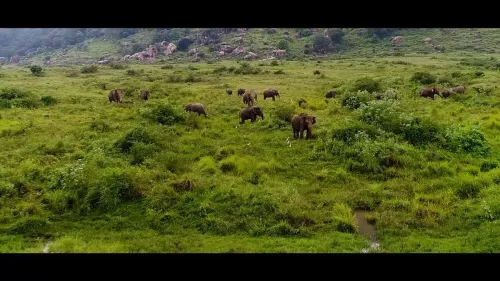
Karnataka is home to one of India's largest wild elephant populations, concentrated in the forests of Kodagu, Mysuru, Hassan, and Chamarajanagar districts. Pressure on these landscapes — from encroachment, linear infrastructure, and agricultural expansion — has made corridor integrity a live and urgent concern for forest communities and wildlife authorities alike.
The Conflict That Doesn't Stay in the Forest
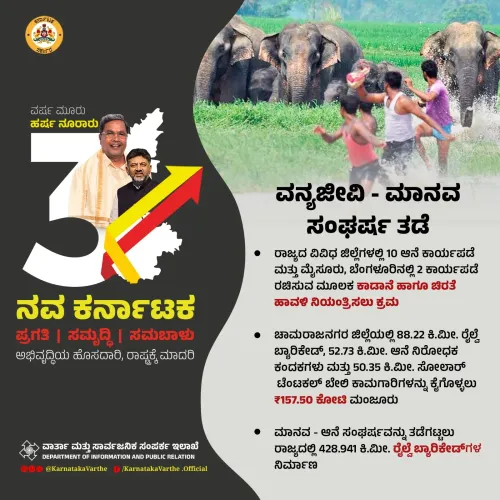
Human-elephant conflict is not an abstract conservation metric. Crop raids, property damage, and, in the worst cases, human fatalities make it one of the most politically charged wildlife issues in Karnataka's border districts. The CMO's statement — that preventing deforestation, habitat loss, and conflict is 'the duty of all of us' — is a deliberate broadening of responsibility beyond government agencies to citizens and local communities. That framing matters: durable corridor protection requires local buy-in, not just state enforcement.
On a day the world marks the elephant's fragility, Karnataka's signal is clear — the corridor is the line that must hold.
Point of View
The statement attempts to build a broader social compact around conservation, a necessary move given that corridor integrity ultimately depends on land-use decisions by local communities and private landowners. This aligns Karnataka with the national trajectory under Project Elephant, but the real test will come in assembly budget sessions, where corridor land acquisition and compensation funding face competing demands.
NationPress
12 Aug 2026
Frequently Asked Questions
What did the Karnataka CMO say about elephants on World Elephant Day 2026?
The Chief Minister's Office of Karnataka called elephants 'engineers of the forest,' highlighting their role in plant regeneration and biodiversity, and reaffirmed the government's commitment to protecting elephant corridors and natural habitats.
What is an elephant corridor and why is it important in Karnataka?
An elephant corridor is a protected pathway that allows elephant herds to move between forest patches without entering human settlements. Karnataka protects these corridors to reduce habitat fragmentation and prevent human-elephant conflict in districts like Kodagu, Mysuru, and Chamarajanagar.
What is Project Elephant and how does it relate to Karnataka?
Project Elephant is a centrally sponsored scheme launched by the Government of India in 1992 to conserve elephants, their habitats, and migratory routes. Karnataka's corridor protection efforts align with this national framework.
What is human-elephant conflict and which Karnataka districts are affected?
Human-elephant conflict refers to clashes between wild elephants and human communities, including crop raids and property damage. Districts such as Kodagu, Mysuru, Hassan, and Chamarajanagar in Karnataka are among the most affected due to their dense elephant populations.
Why are elephants called 'engineers of the forest'?
Elephants are called forest engineers because they disperse seeds, open forest canopies, create trails, and dig waterholes — actions that regenerate plant life and sustain the broader ecosystem for smaller organisms.