Karnataka CM's Office touts Panch Guarantee impact on Independence Day
Synopsis
On Independence Day 2026, Karnataka's Chief Minister's Office detailed the Panch Guarantee Yojane's reach: ₹76,908 crore to 1.28 crore women via Gruha Lakshmi, 796 crore free bus trips under Shakti, and NFHS-6 data showing domestic violence down from 44% to 14%.
Key Takeaways
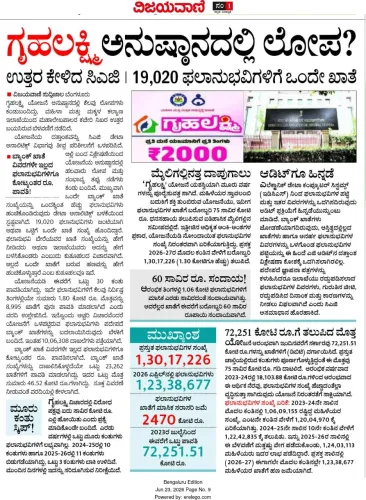
Gruha Lakshmi Yojane has transferred over ₹76,908 crore directly to 1.28 crore women household heads at ₹2,000 per month .
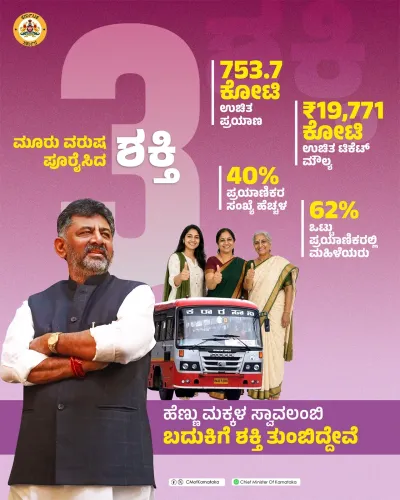
Shakti Yojane has enabled 3.5 crore women to take approximately 796 crore free bus rides , costing the government over ₹14,875 crore in three years.
Gruha Jyothi Yojane provides free electricity to 1.65 crore households .
The CMO cites NFHS-6 data showing domestic violence against married women in Karnataka fell from 44% to 14% .
Child malnutrition in Karnataka reportedly declined from 35% to 26% over the same period.
The government brands the framework the 'Karnataka Model' , claiming it is being adopted nationally.
Two years into power, the Karnataka Congress government is pointing to a cascade of numbers it says have reshaped life for millions — and on Independence Day, 15 August 2026, the Chief Minister's Office of Karnataka laid out the full ledger of its signature Panch Guarantee Yojane in a detailed post on X.
What the five guarantees have delivered, scheme by scheme
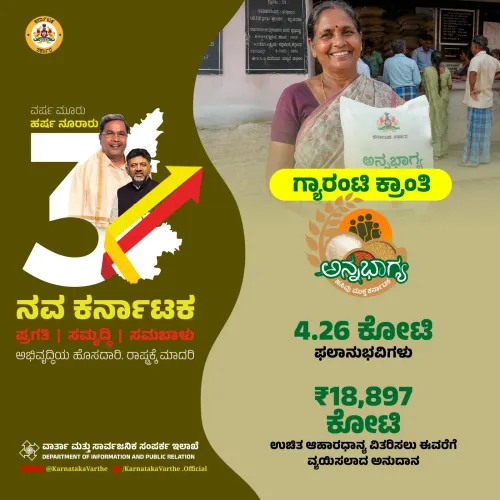
The post, written in Kannada, opens with a statement of governing philosophy: 'Prathi kutumbakku bhadrata. Prathi nagarikanige gaurava. Yuvajanarige avakasha.' ('Security for every family. Dignity for every citizen. Opportunity for youth.') The CMO says these are not slogans but the animating logic behind the five welfare schemes the Congress put at the centre of its 2023 Karnataka assembly election manifesto.
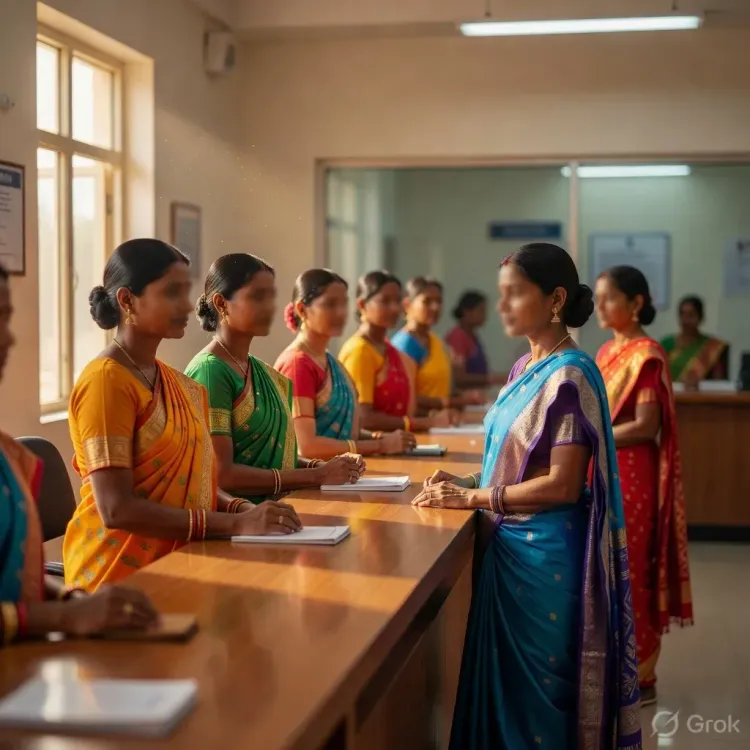
The headline figure is for Gruha Lakshmi Yojane: 1.28 crore women — heads of their households — receiving ₹2,000 every month via direct bank transfer, with no intermediary. The cumulative outlay cited is ₹76,908 crore, a number the government frames as capital invested in families rather than expenditure.
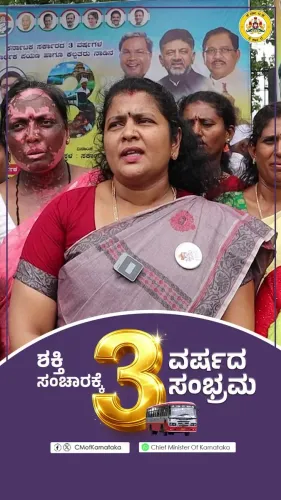
Under Shakti Yojane, 3.5 crore women across the state have made roughly 796 crore free bus journeys, with the government spending over ₹14,875 crore across three years to keep those rides free. The Gruha Jyothi Yojane extends free electricity to 1.65 crore households, easing the monthly budget squeeze for low-income families.
NFHS-6 data the government is anchoring its case on
The most striking claim in the post draws on the sixth National Family Health Survey (NFHS-6). According to the CMO, the incidence of domestic violence against married women in Karnataka has fallen from 44 per cent to 14 per cent — a thirty-percentage-point drop. Child malnutrition, the post adds, has declined from 35 per cent to 26 per cent.
The government attributes both shifts directly to its welfare architecture, arguing that economic security — particularly cash in women's hands — is the most durable shield against household violence and hunger. Independent verification of these NFHS-6 figures and their precise causal link to the guarantee schemes is not yet established in public records.
The 'Karnataka Model' and its national echo
The CMO explicitly brands this constellation of schemes the 'Karnataka Model', claiming it is being watched and replicated nationally. That framing is not without basis: direct-benefit transfers targeting women and in-kind subsidies for transport and electricity have become a competitive template across Indian states, with variations appearing in Telangana, Rajasthan and Chhattisgarh in recent years. Karnataka's scale — particularly the Shakti free-bus scheme, one of the largest of its kind in the country — has drawn attention from other state administrations.
The Independence Day timing is deliberate: the government is packaging welfare delivery as a form of freedom — from inflation, from financial precarity, from dependence on intermediaries.
Whether the numbers hold up to independent audit, and whether the next state budget sustains the scheme outlays, will determine if the Karnataka Model travels as far as its architects intend.
Point of View
Anchoring the domestic-violence and malnutrition claims on NFHS-6 data that has not yet been independently verified is a risk: if those figures are contested, the centrepiece of the government's social-impact argument weakens. The broader pattern — states competing on direct-benefit generosity — raises unresolved questions about fiscal sustainability that the post sidesteps entirely.
NationPress
15 Aug 2026
Frequently Asked Questions
What is the Gruha Lakshmi Yojane in Karnataka?
Gruha Lakshmi Yojane is a Karnataka government scheme that transfers ₹2,000 per month directly into the bank accounts of women who are heads of their households, with no intermediary involvement. The CMO states over ₹76,908 crore has been disbursed to 1.28 crore beneficiaries so far.
What is the Shakti Yojane and who benefits from it?
Shakti Yojane provides free bus travel to women across Karnataka on state-run buses. According to the CMO's post, 3.5 crore women have collectively made around 796 crore free journeys , with the government spending over ₹14,875 crore on the scheme over three years.
What are Karnataka's Panch Guarantee Yojane schemes?
The Panch Guarantee Yojane is a set of five welfare schemes launched by the Karnataka Congress government after its 2023 assembly election win. They cover monthly cash transfers for women (Gruha Lakshmi), free bus travel (Shakti), free electricity (Gruha Jyothi), and support for food security and youth.
What does NFHS-6 say about Karnataka's domestic violence rates?
The Karnataka CMO's post cites the sixth National Family Health Survey (NFHS-6) as showing that domestic violence against married women in the state fell from 44% to 14% . The government attributes this to the economic empowerment of women through its guarantee schemes, though independent verification of this causal link is pending.
What is the 'Karnataka Model' of welfare?
The 'Karnataka Model' is the term the state government uses to describe its combination of direct cash transfers, free public transport, and subsidised electricity targeted at women and low-income households. The CMO claims this framework is being studied and replicated by other Indian states.