CM Siddaramaiah Reviews GST Growth, Targets Fraud

Synopsis
Chief Minister DK Shivakumar chaired a Commercial Taxes Department review at Vidhana Soudha on 26 June 2026, citing Karnataka's 9 per cent GST growth — second nationally — while ordering intensified fraud detection, crackdown on bogus firms, faster appeal disposal, and improved taxpayer services.
Key Takeaways
Karnataka recorded 9 per cent GST collection growth , above the national average and second only to Telangana's 10 per cent as of May 2026.
The state outperformed Gujarat (5%), Maharashtra (5%), Tamil Nadu (7%), and Uttar Pradesh (8%) in GST growth.
A partnership with IIT Hyderabad powers a GST analytical portal enabling 360-degree monitoring of collections, leakages, and fraud.
Action against bogus companies has recovered Rs 166 crore ; CM Shivakumar called for more arrests and stricter enforcement.
The Mysuru division was flagged for performance decline, with the CM demanding results over excuses.
A citizen-friendly online system has been introduced so taxpayers can resolve all GST queries without visiting offices.
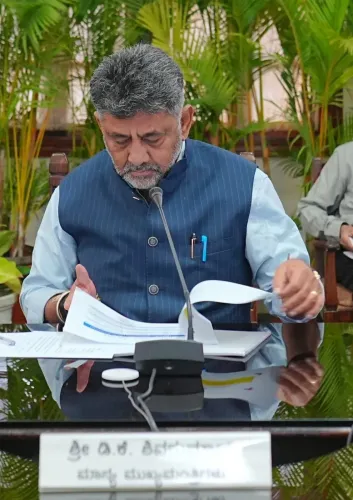
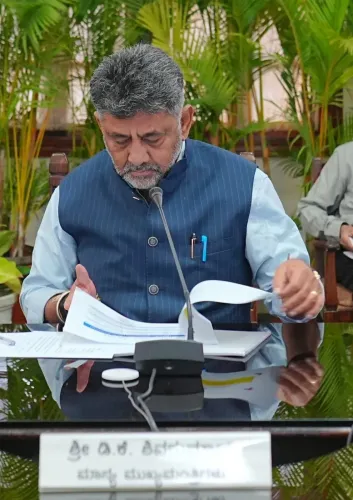
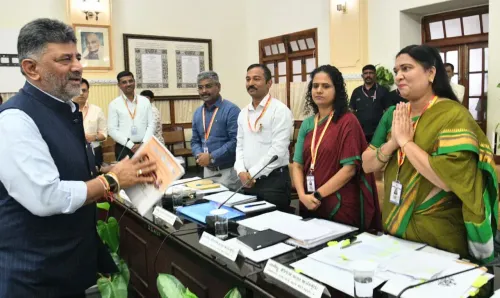
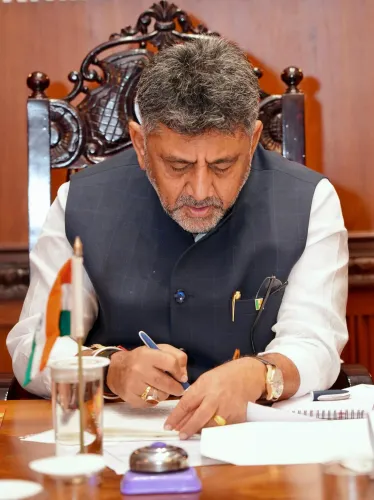
The Chief Minister's Office of Karnataka on Friday, 26 June 2026 shared directives issued by Chief Minister D K Shivakumar at a Commercial Taxes Department progress review meeting held at Vidhana Soudha, Bengaluru, highlighting a 9 per cent GST growth rate for the state and outlining firm measures to curb tax fraud.
Context
Speaking at the review meeting, CM Shivakumar noted that Karnataka's 9 per cent GST collection growth surpasses the national average and outperforms major states including Gujarat (5 per cent), Tamil Nadu (7 per cent), Haryana, and Uttar Pradesh (8 per cent). Only Telangana, which recorded 10 per cent growth up to May 2026, ranks above Karnataka, placing the state second in the country. Maharashtra recorded 5 per cent growth over the same period.
The Chief Minister stated plainly: 'ನಾವು ದೇಶದಲ್ಲೇ ಎರಡನೇ ಸ್ಥಾನದಲ್ಲಿ ಇದ್ದೇವೆ' ('We are in second place in the country') and directed officials to find pathways to reach first rank.
Policy Backdrop
India's Goods and Services Tax, introduced on 1 July 2017, unified multiple central and state levies into a single indirect tax framework. Since rollout, fake invoicing and bogus Input Tax Credit (ITC) claims have emerged as persistent systemic challenges for state revenue departments nationwide.
Karnataka has partnered with IIT Hyderabad to build a GST analytical portal that enables 360-degree surveillance of collections, leakages, and fraud — covering registrations, filings, and refunds. The collaboration has already helped detect multiple categories of GST fraud, though officials acknowledged that full capability is yet to be realised.
Stakeholders and Impact
Enforcement action against bogus companies has yielded a recovery of Rs 166 crore, and the Chief Minister called for a significant increase in arrests of those who register fraudulent firms. He warned that lapses by departmental staff would attract strict disciplinary action.
On taxpayer services, the government has implemented a citizen-friendly online system that resolves all tax-related queries digitally, removing the need for taxpayers to visit offices in person. Shivakumar stressed further simplification of the system to make it more taxpayer-friendly.
The Mysuru division was specifically flagged for a decline in performance. The Chief Minister made clear that excuses would not be accepted: 'ಫಲಿತಾಂಶ ಮುಖ್ಯ' ('Results matter'), directing officials to resolve technical difficulties independently and deliver improved outcomes. He also expressed zero tolerance for delays in disposal of pending GST appeals, instructing senior officers to personally monitor the process.
What's Next
Officials have been directed to provide clear, division-wise explanations for shortfalls against assigned targets and to accelerate appeal clearances. The state's stated ambition is to displace Telangana and claim the top GST growth rank nationally. Sustained enforcement against bogus firms, deeper utilisation of the IIT Hyderabad analytical portal, and the full rollout of online grievance resolution for taxpayers will be the key milestones to watch in the months ahead.
Point of View
Tamil Nadu, Maharashtra, and Telangana — signals a deliberate competitive framing by the Shivakumar government ahead of the state budget cycle, using revenue performance as a political differentiator. The IIT Hyderabad analytical partnership reflects a broader national trend of states leveraging institutional data science to plug the fake-ITC loophole that has cost exchequers significantly since 2017. The explicit naming of the Mysuru division for underperformance is unusual and suggests the CM is willing to apply public accountability pressure on the bureaucracy. Reaching first place nationally in GST growth would be a significant fiscal and political milestone for the Congress-led government in Bengaluru.
NationPress
25 Sept 2026
Frequently Asked Questions
What is Karnataka's GST growth rate in 2026?
Karnataka recorded a 9 per cent GST collection growth rate up to May 2026, which is above the national average and places the state second in the country, behind only Telangana at 10 per cent.
Which state ranks first in GST growth in India in 2026?
Telangana ranks first with 10 per cent GST growth up to May 2026. Karnataka is second at 9 per cent, followed by Uttar Pradesh (8%), Tamil Nadu (7%), and Maharashtra and Gujarat at 5 per cent each.
What is Karnataka doing to stop GST fraud?
Karnataka has partnered with IIT Hyderabad to operate a GST analytical portal for detecting fake invoices and bogus Input Tax Credit claims. The state has recovered Rs 166 crore by identifying fraudulent companies and has increased arrests of those involved.
What did CM DK Shivakumar say about the Mysuru GST division?
CM Shivakumar flagged the Mysuru division for a decline in GST collection performance and made clear that excuses would not be accepted, demanding that officials resolve technical issues and deliver improved results.
How is Karnataka making GST easier for taxpayers?
Karnataka has introduced a citizen-friendly online system that allows taxpayers to resolve all GST-related queries digitally, eliminating the need to visit government offices in person. The CM directed further simplification of this system.