Karnataka seeks ₹22,000 crore drought relief from Centre, farmers to get ₹5,000 each
Synopsis
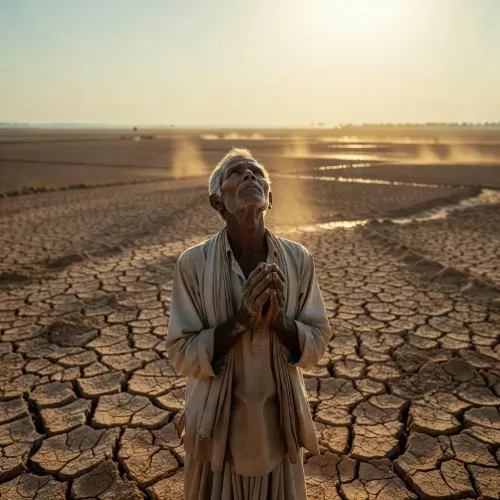
Karnataka is pressing New Delhi for ₹22,000 crore in drought relief — the state's largest such demand in recent memory — against a ₹62,000 crore estimated crop loss. With three memorandums already filed and an all-party delegation being readied, Deputy CM Parameshwara's public push signals both the scale of the agrarian crisis and the growing friction between the state and the Centre over disaster funding.
Key Takeaways
Karnataka has sought ₹22,000 crore in drought relief from the Centre under NDRF guidelines against an estimated crop loss of ₹62,000 crore .
Deputy Chief Minister G.
Parameshwara said three memorandums have been submitted to the Union government; appointments with the Prime Minister , Home Minister , and Agriculture Minister have been sought.
Farmers will receive a total of ₹5,000 each — the first tranche of ₹2,500 (costing ₹1,250 crore ) has been disbursed; the second tranche is expected within one to two weeks .
More than three lakh farmers in Yadgir district have reportedly received the first instalment.
Each Assembly constituency has been allocated ₹1 crore , and districts ₹4–5 crore , for drinking water and essential relief works.
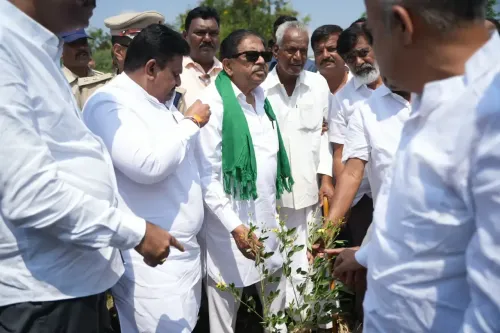
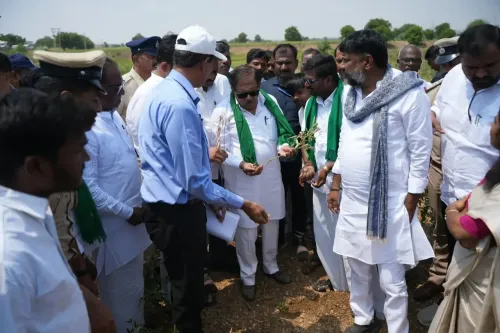
Shivakumar will lead an all-party delegation to New Delhi or Mysuru to press the Central government if appointments are confirmed.
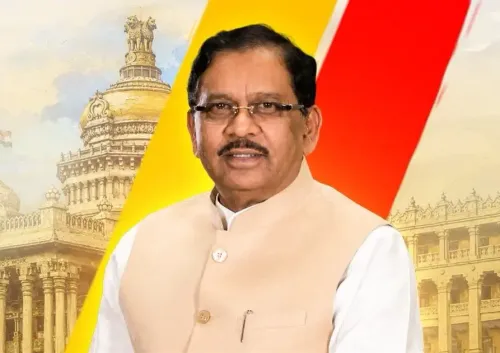
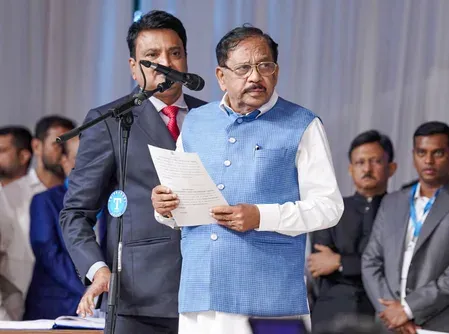
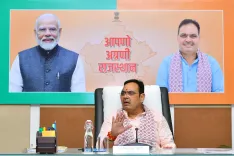
Karnataka has formally requested approximately ₹22,000 crore in drought relief from the Centre under National Disaster Response Fund (NDRF) guidelines, against an estimated total crop loss of ₹62,000 crore, Deputy Chief Minister and Revenue Minister G. Parameshwara announced on Friday, 6 November 2026. Speaking to reporters near his residence in Bengaluru, Parameshwara said the state had already submitted three memorandums to the Union government and was seeking urgent appointments with senior Central ministers.
What Karnataka Has Demanded
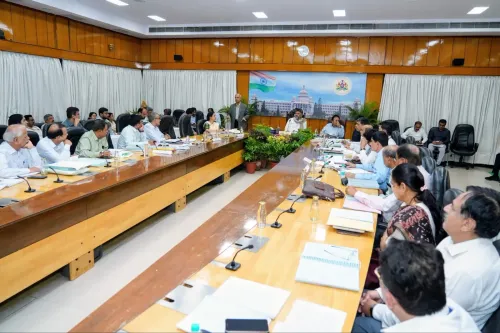
The state's relief claim of ₹22,000 crore has been calculated in accordance with NDRF norms, as the full estimated crop loss of ₹62,000 crore cannot be claimed from the Centre under existing guidelines. Parameshwara said the state had sought meetings with the Prime Minister, the Union Home Minister, and the Union Agriculture Minister to present the ground situation.
'If appointments are granted, we will meet them with an all-party delegation. Otherwise, we will go under the leadership of the Chief Minister and submit our request,' Parameshwara said.
Relief to Farmers: ₹5,000 Per Farmer in Two Tranches
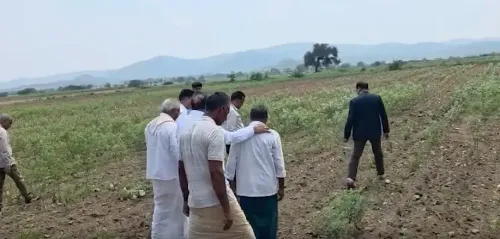
The state government has already released ₹1,250 crore as the first instalment of drought assistance — amounting to ₹2,500 per farmer — through Direct Benefit Transfer. More than three lakh farmers in Yadgir district alone have reportedly received this assistance. Following a revision in Central guidelines that increased the benchmark relief amount, Chief Minister D.K. Shivakumar agreed to disburse an additional ₹2,500 per farmer, taking the total relief to ₹5,000 per farmer. The second tranche, requiring another ₹1,250 crore, is expected to be released within one to two weeks.
Local Drought Infrastructure Support
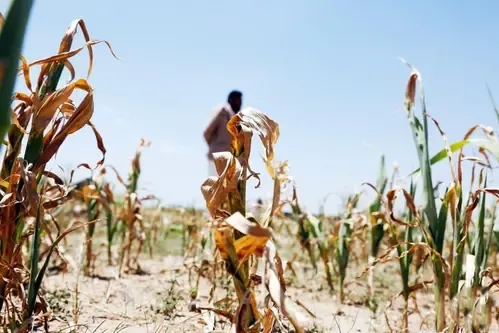
Beyond direct farmer assistance, the government has allocated ₹1 crore to each Assembly constituency and between ₹4 crore and ₹5 crore to districts for drinking water arrangements and other essential relief works. This comes amid one of the more severe drought cycles Karnataka has recorded in recent years, affecting multiple agro-climatic zones across the state.
Political Row Over Fare and Price Hikes
Parameshwara also defended the state government's recent decisions to raise transport fares and increase milk and curd prices, arguing that fiscal management required balancing the interests of multiple groups — including drought-hit farmers, sugarcane growers, and government employees due Dearness Allowance increases. Responding to criticism from the Bharatiya Janata Party (BJP) over the transport fare hike, he claimed that petrol and diesel prices had been increased approximately 14 times since the BJP came to power at the Centre, raising costs for transport operators and farmers alike who depend on diesel for tractors and agricultural equipment. He added that the state's revenue position was better than the previous year, with healthy collections from commercial taxes, excise, and stamp and registration charges.
What Happens Next
The Karnataka government is awaiting confirmation of appointments in New Delhi or Mysuru, depending on the Prime Minister's schedule. If the Centre approves a substantial portion of the ₹22,000 crore demand, it could meaningfully supplement the state's own relief outlay, which remains strained given competing fiscal commitments. The release of the second farmer instalment within the stated fortnight will serve as an early indicator of the government's ability to follow through on its drought relief commitments.
Point of View
000 crore demand is a fraction of its stated ₹62,000 crore crop loss — a gap that exposes a structural flaw in NDRF architecture, where the relief ceiling rarely keeps pace with the actual scale of agrarian damage. The all-party delegation gambit is politically shrewd: it insulates the Congress-led state government from accusations of partisan grandstanding, but it also raises the stakes if the Centre responds slowly or partially. Notably, Parameshwara's broadside on diesel price hikes — 14 increases attributed to the BJP-led Centre — signals that the drought relief row is fast becoming a template for a larger fiscal and political confrontation ahead of the next electoral cycle. Whether the Centre releases a meaningful portion of the ₹22,000 crore demand, or offers a token disbursement, will define the Centre-state relationship on disaster finance for years to come.
NationPress
6 Nov 2026
Frequently Asked Questions
How much drought relief has Karnataka sought from the Centre?
Karnataka has sought approximately ₹22,000 crore from the Centre under NDRF guidelines. This is against a total estimated crop loss of ₹62,000 crore, with the NDRF-eligible amount being lower due to the formula-based ceiling under existing norms.
How much relief will Karnataka farmers receive per farmer?
Farmers in drought-affected Karnataka will receive a total of ₹5,000 each in two equal tranches of ₹2,500. The first tranche has already been disbursed via Direct Benefit Transfer, with the second tranche expected within one to two weeks.
Which districts and regions have received drought relief so far?
More than three lakh farmers in Yadgir district have reportedly received the first instalment of ₹2,500. The state has also allocated ₹1 crore to each Assembly constituency and ₹4–5 crore to districts for drinking water and essential works across drought-hit areas.
Why is Karnataka sending an all-party delegation to the Centre?
The state government has sought appointments with the Prime Minister, Home Minister, and Agriculture Minister to explain the drought situation and press for the ₹22,000 crore relief. Deputy CM Parameshwara said an all-party delegation would be sent if appointments are granted, to demonstrate cross-party consensus on the urgency of relief.
What is the NDRF and how does it apply to Karnataka's drought claim?
The National Disaster Response Fund (NDRF) is the primary Central mechanism for providing disaster relief to states. States calculate their eligible claim using NDRF norms, which set per-unit compensation rates for crop, livestock, and infrastructure losses — meaning Karnataka's ₹22,000 crore demand is the NDRF-formula-derived figure, not the full ₹62,000 crore estimated loss.