Karnataka Backward Classes Commission warns of criminal action over caste survey leaks

Synopsis
Karnataka's Backward Classes Commission has threatened criminal proceedings over leaked caste survey data — even as unofficial figures on Muslim, Lingayat, and Vokkaliga population shares circulate widely. With a High Court confidentiality order in force and Chief Minister Siddaramaiah already in possession of the report, the battle over who controls this data — and when — could reshape Karnataka's reservation politics.
Key Takeaways
The Karnataka State Commission for Backward Classes warned on 2 June 2025 of criminal proceedings against those spreading misinformation about the Social and Educational Survey-2025 .
The Commission submitted its report to the Karnataka government on 27 May 2025 .
A Karnataka High Court order dated 25 October 2025 mandates strict confidentiality over all survey data.
Unofficial figures in circulation — not verified by the Commission — suggest Muslims at 14% , Veerashaiva-Lingayats at 11% , Vokkaligas at 10% , and Kurubas at 8% of Karnataka's population.
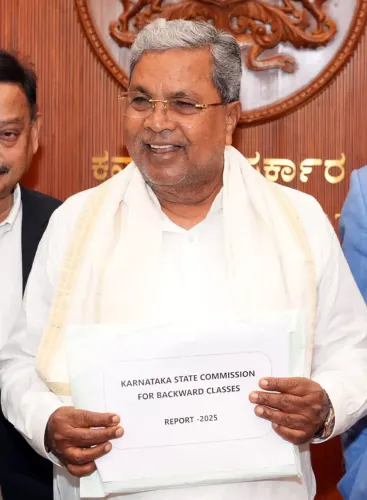
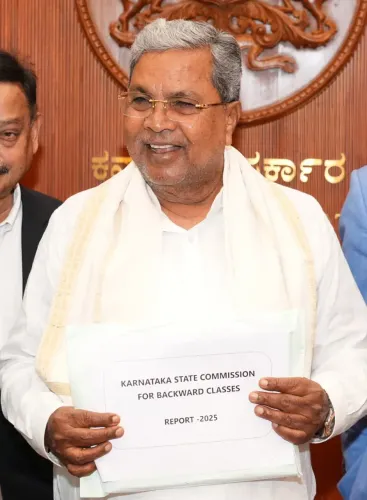
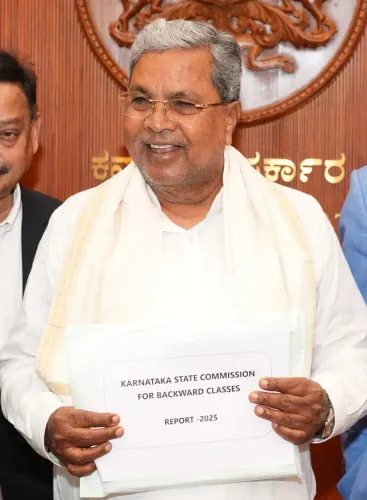
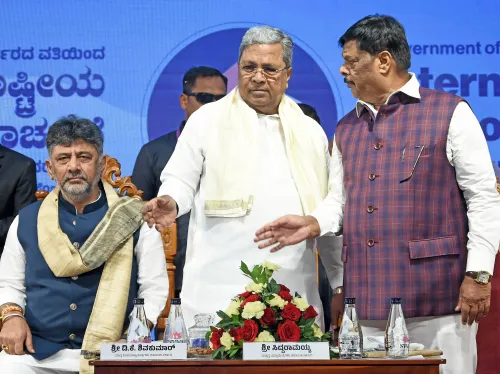
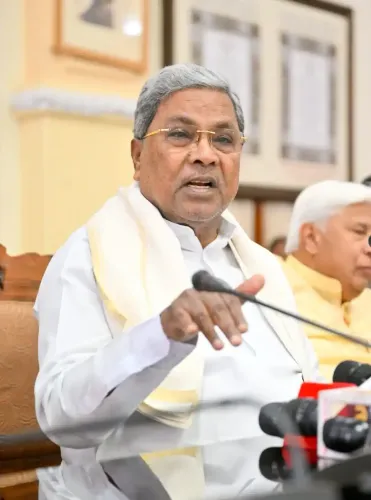
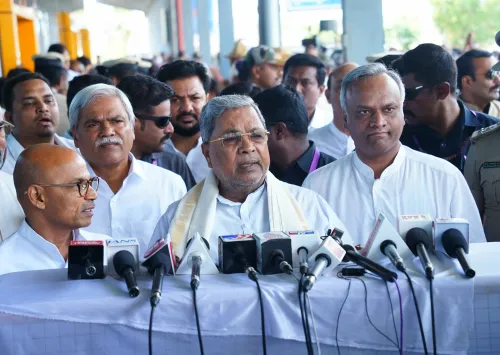
Chief Minister Siddaramaiah received the report at Vidhana Soudha , Bengaluru ; the government's next steps on reservation policy are awaited.
The Karnataka State Commission for Backward Classes on Monday, 2 June 2025, issued a stern warning against the circulation of unauthorised information about the Social and Educational Survey-2025 report — commonly referred to as the caste survey — threatening criminal proceedings against those spreading misinformation through media and social media platforms.
What the Commission Said
In a formal statement, the Commission confirmed it had submitted its report to the Karnataka government on 27 May 2025, following data collection conducted under the Social and Educational Survey-2025. The Commission made clear it has not disclosed any information from either the survey data or the submitted report.
'The public is informed that dissemination of false and unauthorised information regarding the survey or the report is a violation of the court's directions. The Commission will be compelled to initiate appropriate criminal proceedings against those responsible for such actions,' the statement read.
High Court Confidentiality Order
The Commission's warning is rooted in a Karnataka High Court order dated 25 October 2025, which directed it to maintain strict confidentiality over all individual-level data collected during the survey process. In compliance, the Commission has reportedly put in place data protection measures and has requested the government to keep the submitted report in secure custody — a step the government has, according to the Commission, already acted upon.
The Commission stated that information currently being circulated in public is 'based solely on assumptions and speculation' and amounts to a disregard of the High Court's confidentiality directions.
What Is Being Circulated
Despite the confidentiality mandate, reports citing unnamed sources have alleged that preliminary findings indicate Muslims constitute the largest community in Karnataka at approximately 14 per cent of the population, followed by Veerashaiva-Lingayats at 11 per cent, Vokkaligas at 10 per cent, and Kurubas at 8 per cent. These figures, attributed to sources rather than official release, have not been verified or confirmed by the Commission.
The Commission has not authenticated any such data and has explicitly stated that any figures in circulation are speculative. Sharing such information, it warned, could constitute a violation of the court's order.
Political and Policy Stakes
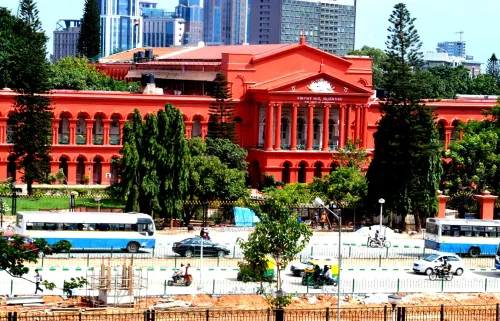
The survey carries significant political weight. Karnataka caretaker Chief Minister Siddaramaiah formally received the report during a presentation by the Commission at his office in Vidhana Soudha, Bengaluru. The findings are expected to inform discussions on backward class welfare and reservation policy in the state — areas that have historically been among Karnataka's most contested political terrain.
This is the first comprehensive caste-based social and educational survey of its kind in Karnataka in decades, making its data among the most politically sensitive documents in the state's recent history. Notably, similar caste census exercises in other states have triggered sharp disputes over methodology, community representation, and the eventual policy use of findings.
What Happens Next
The Commission has signalled it will actively monitor media and social media for further violations and pursue legal action where warranted. The government's next move — whether to act on the report, make portions public, or refer it to a policy committee — is expected to shape Karnataka's reservation landscape ahead of upcoming political cycles.
Point of View
It is attempting to control the narrative around data that — once in the public domain — could redraw Karnataka's reservation map and inflame community rivalries. The unofficial figures already circulating suggest the firewall has already partially failed. The deeper question is not confidentiality but sequencing: the government now holds a report whose findings will be politically explosive whenever released, and the pressure to selectively time or frame that release is immense. Karnataka's history with OBC and minority reservation politics suggests that no community will accept findings passively — making the Commission's legal threats the opening move in a much longer contest.
NationPress
24 Sept 2026
Frequently Asked Questions
What is the Social and Educational Survey-2025 in Karnataka?
It is a comprehensive caste-based social and educational survey conducted by the Karnataka State Commission for Backward Classes, aimed at assessing the population share and socio-educational status of various communities in the state. The report was submitted to the Karnataka government on 27 May 2025 and is expected to inform backward class welfare and reservation policies.
Why has the Karnataka Backward Classes Commission issued a warning?
The Commission warned that certain individuals are allegedly circulating false and speculative information about the survey's findings through media and social media, in violation of a Karnataka High Court confidentiality order dated 25 October 2025. It has threatened criminal proceedings against those responsible.
What does the Karnataka High Court order say about the caste survey?
The Karnataka High Court, in its order of 25 October 2025, directed the Commission to maintain strict confidentiality over all individual-level data collected during the survey. The Commission has committed to this and has asked the government to keep the report in secure custody.
What community-wise figures are being circulated about the Karnataka caste survey?
Unofficial figures attributed to sources — not confirmed by the Commission — suggest Muslims form the largest community at around 14 per cent, followed by Veerashaiva-Lingayats at 11 per cent, Vokkaligas at 10 per cent, and Kurubas at 8 per cent. The Commission has not authenticated any of these figures.
What happens next with the Karnataka caste survey report?
The report is currently with the Karnataka government following its formal submission on 27 May 2025. The government's decision on whether to act on the findings, make portions public, or refer it to a policy body will determine its impact on reservation policies — a process being closely watched by all major communities in the state.