Kazipet rail unit to build 200 intercity trains in 5 years, boost short-distance travel
Synopsis
India's Kazipet Rail Manufacturing Unit is nearly ready — and its first mandate is ambitious: 200 intercity trains in five years, built for 300 km shuttle runs at up to 130 kmph with regenerative braking. If executed on schedule, it could meaningfully shift short-distance travel from roads to rail for millions of daily commuters.
Key Takeaways
The Kazipet Rail Manufacturing Unit is nearing completion and will produce 200 intercity trains over five years .
Trains will cover distances of around 300 km with frequent stops, operating at speeds up to 130 kmph .
Each train will have a 20-coach configuration with automatic door closing, improved ventilation, and jerk-free couplers.
Regenerative braking systems will feed energy back into the grid, reducing carbon emissions versus road transport.
The fleet targets students, workers , and daily passengers needing affordable short-distance travel options.
Union Minister Ashwini Vaishnaw and MoS Ravneet Singh Bittu reviewed the unit's operationalisation plans on 28 May .
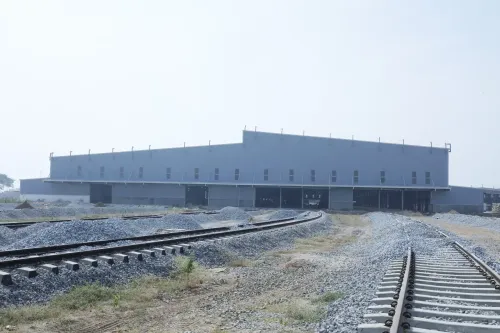
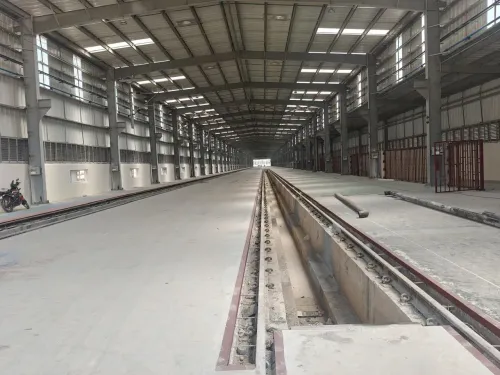
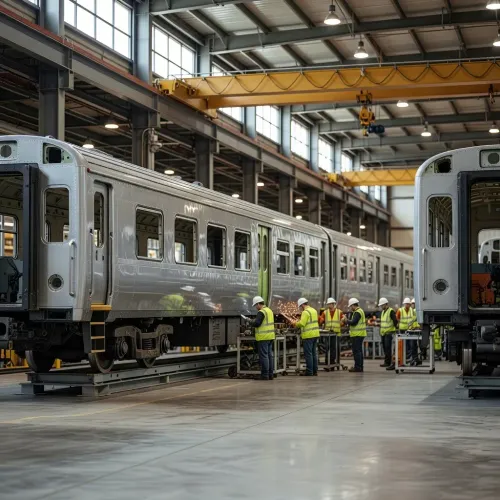
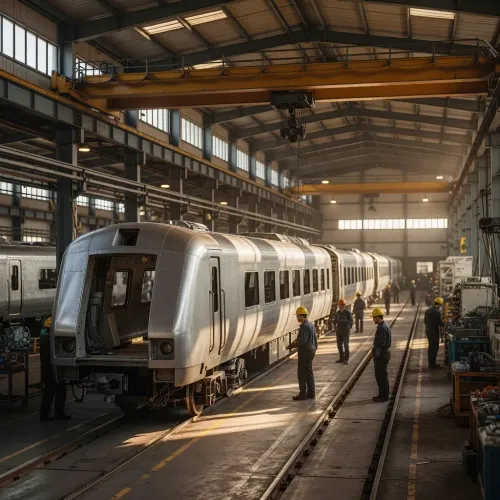
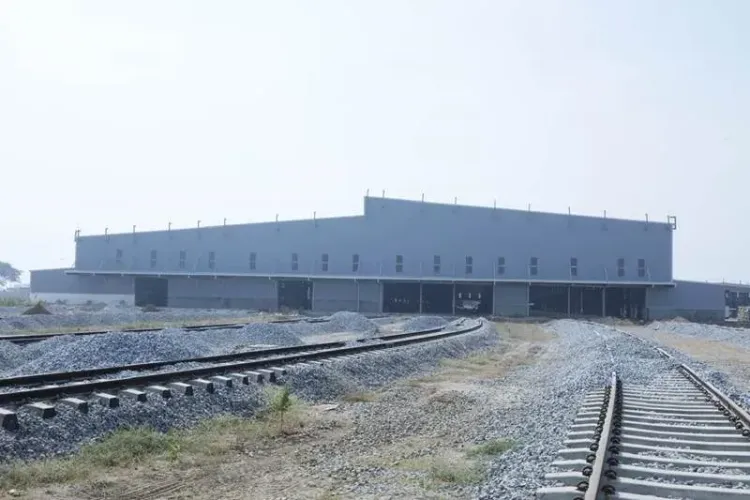
The Kazipet Rail Manufacturing Unit of Indian Railways is nearing completion and is set to become a dedicated production hub for intercity trains, the Ministry of Railways announced on Thursday, 28 May. Under the initial plan, the facility will manufacture 200 intercity trains over the next five years, with the fleet deployed across India to strengthen short-distance passenger connectivity.
What the Kazipet Unit Will Produce
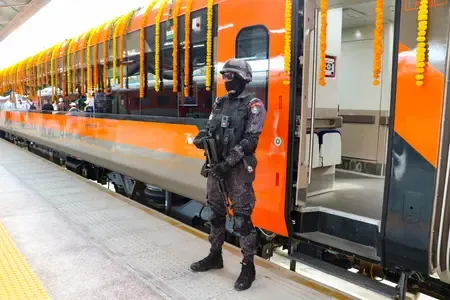
The trains manufactured at Kazipet will be designed for short-distance intercity travel, typically covering distances of around 300 km with frequent stops to link adjacent towns and cities. Each train will feature a 20-coach configuration, with every coach equipped with two toilets placed at both ends. The trains will be capable of speeds of up to 130 kmph and will include modern specifications such as automatic door closing systems, improved ventilation, advanced jerk-free couplers, and upgraded bogies.
Energy Efficiency and Green Transport
A notable feature of the new fleet is the inclusion of regenerative braking systems, which feed energy generated during braking back into the grid. The ministry said this will improve energy efficiency and reduce carbon emissions compared to road transport. Officials described the initiative as a significant step toward expanding green and clean transport capacity in India, supporting a broader shift to sustainable mobility.
Who the Trains Are Meant to Serve
According to the ministry, the intercity services are designed as an affordable and efficient travel option for students, workers, and passengers travelling for healthcare and other daily needs. Officials said the trains will function like shuttle services between neighbouring towns, with the aim of shifting a significant portion of short-distance passenger movement from roads to railways.
Ministerial Review and Next Steps
Union Minister of Railways Ashwini Vaishnaw and Minister of State for Railways Ravneet Singh Bittu reviewed the operationalisation plans for the Kazipet unit alongside senior officials. The ministry did not specify a formal commissioning date, but the facility is described as nearing completion. The rollout of 200 trains over five years represents one of the larger single-unit production mandates in recent Indian Railways history, and its execution will be closely watched as a test of domestic rail manufacturing capacity.
Point of View
But the proof will be in delivery timelines. Indian Railways has a mixed record on manufacturing unit ramp-ups — the Vande Bharat rollout, while celebrated, faced early production bottlenecks. Building 200 trains in five years from a unit still 'nearing completion' is an ambitious ask. More importantly, the intercity segment — serving students, daily workers, and healthcare travellers on the 100-300 km corridor — is chronically underserved and heavily road-dependent. If the Kazipet fleet deploys on schedule and fares are kept accessible, this could be a genuine modal shift story. If not, it risks becoming another headline target that outlasts its own momentum.
NationPress
11 Oct 2026
Frequently Asked Questions
What is the Kazipet Rail Manufacturing Unit?
The Kazipet Rail Manufacturing Unit is an Indian Railways production facility in Kazipet that is nearing completion and has been designated to manufacture intercity trains for short-distance passenger travel. It is set to produce 200 intercity trains over the next five years.
What type of trains will be made at Kazipet?
The unit will produce intercity trains designed for routes of around 300 km with frequent stops between towns and cities. Each train will have 20 coaches, operate at up to 130 kmph, and include features like automatic door closing, regenerative braking, and jerk-free couplers.
Who will benefit from the new intercity trains?
The trains are primarily intended for students, daily workers, and passengers travelling for healthcare and other routine needs on short-distance corridors. The Ministry of Railways has described them as an affordable alternative to road transport.
What makes these trains environmentally friendly?
The intercity trains will be fitted with regenerative braking systems that recover energy during braking and feed it back into the grid. The ministry said this reduces carbon emissions compared to equivalent road journeys and supports India's push toward green transport.
When will the Kazipet unit begin production?
The Ministry of Railways has not announced a specific commissioning date, describing the facility as 'nearing completion' as of 28 May. The target is to manufacture 200 trains over the next five years once production begins.