Kejriwal Calls for Social Boycott of 'Chanda Chors'
Synopsis
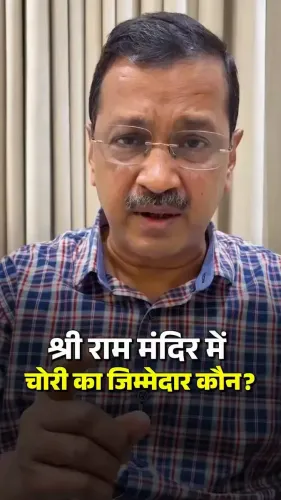
AAP convenor Arvind Kejriwal on 29 June 2026 backed a bar association's boycott of alleged temple-offering thieves and called on all Indians to socially boycott the accused and their associates, alleging the government is actively shielding them.
Key Takeaways
AAP convenor Arvind Kejriwal posted on X on 29 June 2026 demanding a nationwide social boycott of alleged donation thieves.
A bar association had already passed a resolution boycotting individuals accused of stealing temple offerings, which Kejriwal cited as a model.
Kejriwal alleged that some of the accused are part of the government and that the administration is working to protect them.
He extended the boycott call to 'their associates' , widening the scope beyond the directly accused individuals.
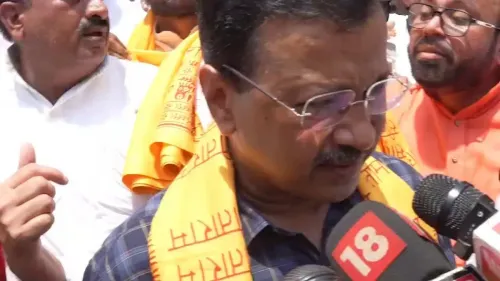
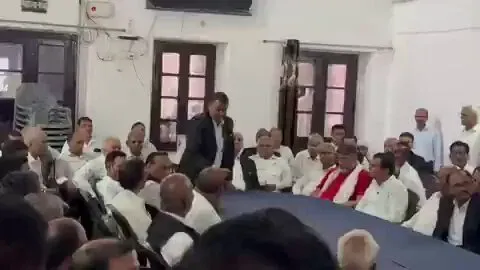
The post included a video , indicating documentary evidence of the bar association's boycott action was being shared publicly.
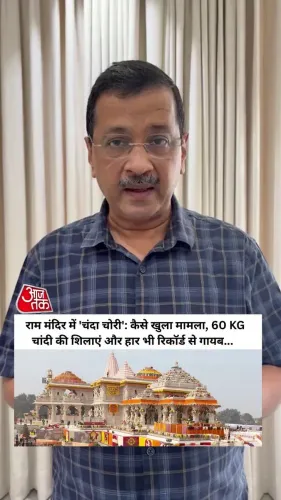
AAP convenor Arvind Kejriwal on Monday, 29 June 2026, called for a nationwide social boycott of those he termed 'chanda chor' (donation thieves), hours after a bar association announced it was boycotting individuals accused of stealing temple offerings. Kejriwal alleged that the government is not only shielding these accused persons but that some of them are part of the ruling establishment itself.
Context
Kejriwal posted on X stating, 'Bar association ne chadhaava choron ka bahishkar kiya' — 'The bar association has boycotted the offering thieves.' He said he had warned days earlier that the government was 'shamelessly standing with the donation thieves.' The post came attached with a video, suggesting the bar association's boycott resolution had been formally recorded.
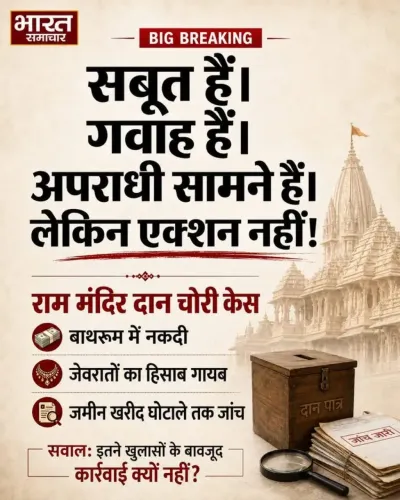
The term 'chanda chor' or 'chadhaava chor' refers to individuals accused of stealing cash or valuables donated by devotees at religious shrines — a charge that carries significant moral and political weight in India, where temple donations are considered sacred.
Policy Backdrop
Theft of temple donations and offerings has been a recurring issue across Indian states, with cases reported at major shrines. Oversight of temple trusts and their finances varies significantly by state, with some temples governed by state-controlled boards and others by private trusts. The accountability gap in managing hundi (donation box) collections has long been a point of political contestation.
Kejriwal's framing — that ruling-party figures are among the accused and that the administration is protecting them — is a pattern of political attack the AAP has deployed in multiple states, linking governance failures to alleged complicity. He has previously used the language of social boycott as a tool of public pressure when institutional mechanisms are seen as captured.
Stakeholders and Impact
The bar association's boycott, which Kejriwal cited approvingly, signals that civil society bodies are willing to take a public stand independent of political parties. A lawyers' association boycotting specific individuals carries reputational and professional consequences, amplifying pressure beyond what a political statement alone might achieve.
Devotees and religious communities are the most directly affected stakeholders, as stolen offerings represent a breach of faith as much as a financial crime. Kejriwal's call to extend the boycott to 'their associates' broadens the target beyond the directly accused, a move that opposition parties and legal observers may scrutinise for its implications on due process.
What's Next
Kejriwal's call for a nationwide social boycott is likely to test whether other civil society institutions — resident welfare associations, trade bodies, or religious organisations — follow the bar association's lead. AAP is expected to build this into a sustained campaign, particularly if the government does not initiate visible action against the accused.
The political pressure will now fall on the ruling government to either demonstrate accountability or face an escalating public narrative of complicity. How law enforcement and the judiciary respond to any formal complaints in the underlying case will determine whether this remains a political flashpoint or becomes a broader governance reckoning.
Point of View
He attempts to collapse the distinction between crime and ruling-party culpability, a potent narrative in communities where temple donations carry deep religious significance. The bar association's independent action gives him a credible civil-society anchor that goes beyond partisan rhetoric. If the campaign gains traction among religious and professional bodies, it could force the government into a defensive posture ahead of any upcoming electoral cycle.
NationPress
29 Jun 2026
Frequently Asked Questions
What is a 'chanda chor' and why is Kejriwal talking about it?
'Chanda chor' means donation thief — someone who steals cash or valuables offered by devotees at temples or religious shrines. Kejriwal raised the issue on 29 June 2026 after a bar association boycotted individuals accused of stealing temple offerings, and he called for a wider social boycott across the country.
Which bar association boycotted the temple offering thieves?
Kejriwal's post does not name a specific bar association, but he shared a video of the boycott resolution and praised the lawyers' body for taking a public stand against the accused.
What did Kejriwal say about the government's role?
Kejriwal alleged that the government is 'shamelessly standing with the donation thieves,' that some accused persons are themselves part of the government, and that the administration is actively working to protect them.
What does a social boycott mean in this context?
A social boycott means ordinary citizens and civil society institutions refuse to interact with, do business with, or provide social recognition to the accused and their associates, creating reputational and professional consequences independent of legal proceedings.
Is temple offering theft a common problem in India?
Yes, theft of donations from temple hundis and offerings has been reported across multiple Indian states over the years. Oversight varies widely depending on whether a temple is managed by a state board or a private trust, and accountability gaps have been a long-standing governance concern.