Kejriwal calls Modi 'biggest anti-national' over paper leaks
Synopsis
AAP convenor Arvind Kejriwal accused Prime Minister Narendra Modi of being the 'biggest anti-national' in India, alleging either helplessness or complicity in recurring examination paper leaks that have fuelled nationwide student protests and drawn Supreme Court scrutiny since 2024.
Key Takeaways
Arvind Kejriwal publicly called PM Narendra Modi the 'biggest anti-national in the country' over the paper-leak crisis on 21 July 2026 .
Kejriwal alleged Modi is either 'helpless' or personally benefiting financially from paper leaks — a charge that cannot be independently verified.
The National Testing Agency (NTA) has faced repeated allegations of paper leaks in NEET and JEE exams, drawing Supreme Court intervention since 2024 .
AAP has framed NTA failures as evidence of a broader governance and accountability deficit under the BJP -led central government.
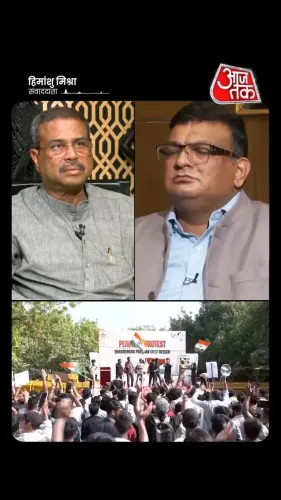
The post, which included a video, was directed at students demanding examination integrity reforms from the central government.
Parliamentary action on exam-security legislation and Ministry of Education responses to future exam cycles remain key watch points.
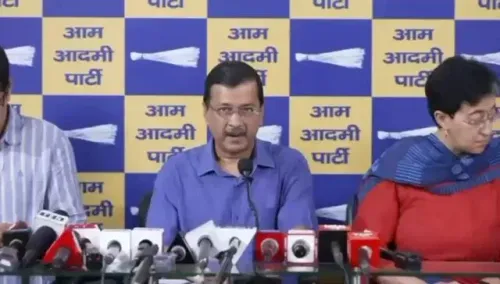
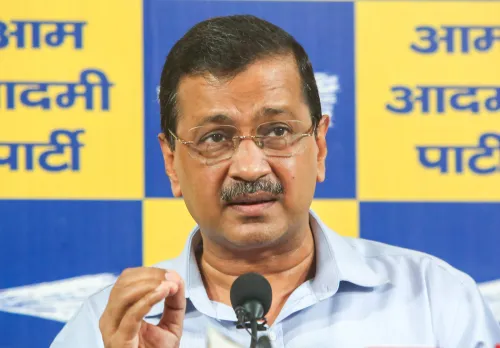
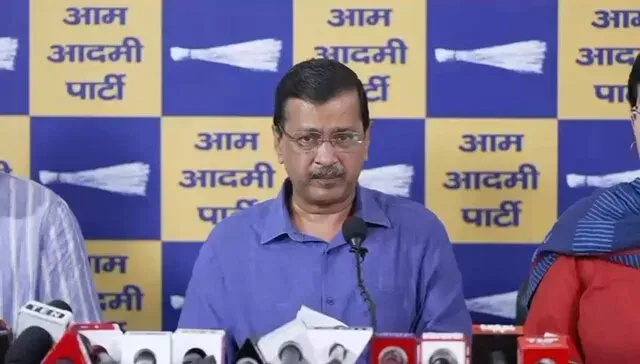
AAP convenor Arvind Kejriwal launched a sharp attack on Prime Minister Narendra Modi on Tuesday, 21 July 2026, calling him the 'biggest anti-national in this country' and demanding an immediate end to examination paper leaks that he said are robbing students of their futures.
Context
Posting in Hindi on X, Kejriwal translated his charge in blunt terms: 'Is desh mein sabse bade Anti National Modi ji aap hain' ('In this country, the biggest anti-national is you, Modi ji'). He said students are pleading with the Prime Minister to stop paper leaks, adding: 'Either you are helpless, or the money from paper leaks is reaching you.' The post, which included a video, was directed squarely at the central government's stewardship of national competitive examinations.
The accusation marks one of Kejriwal's most direct personal attacks on Modi in recent months, framing the examination crisis not merely as administrative failure but as potential complicity at the top.
Policy Backdrop
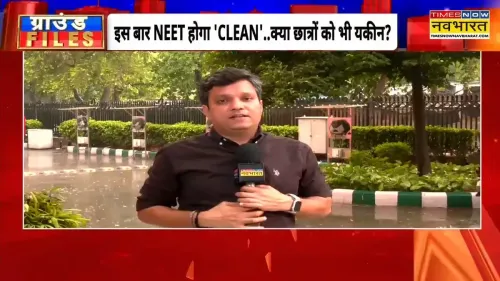
The National Testing Agency (NTA), the autonomous body under the Ministry of Education responsible for conducting high-stakes exams including NEET and JEE, has faced sustained scrutiny over alleged paper leaks since at least 2024. That year, the central government faced Supreme Court intervention and nationwide student protests after multiple alleged breaches of the National Eligibility cum Entrance Test (NEET) for undergraduate medical admissions.
In response, the government announced enhanced security protocols and introduced legislation aimed at strengthening examination integrity. Critics, including opposition leaders, argued those measures remained insufficient to protect the credibility of exams on which millions of aspirants stake their careers.
Stakeholders and Impact
The students most affected are medical aspirants and other competitive-exam candidates who invest years of preparation for a single high-stakes test. A paper leak does not merely disadvantage honest candidates — it structurally advantages those with access to leaked material, often through paid networks, undermining the principle of merit-based selection.
AAP has consistently framed NTA failures as evidence of a broader governance deficit under the BJP-led administration, positioning itself as a champion of student welfare. Kejriwal's use of the phrase 'anti-national' — a label the ruling party has frequently deployed against its critics — represents a deliberate rhetorical reversal intended to shift the political burden back onto Modi.
What's Next
With examination cycles continuing and student frustration unresolved, pressure on the Ministry of Education to demonstrate concrete reform of the NTA's security architecture is unlikely to ease. Parliamentary scrutiny of any follow-up legislation on exam security will be a key indicator of whether the government moves beyond announced protocols to enforceable accountability measures.
Kejriwal's broadside signals that the paper-leak issue will remain a frontline political weapon for the opposition heading into the next legislative and electoral calendar, keeping institutional reform of India's examination system firmly in the public spotlight.
Point of View
He forces the government into a defensive posture where any response risks amplifying the story. The move fits a consistent AAP pattern of converting institutional failures into personalised political indictments, particularly on education and corruption, two issues with proven resonance among young urban voters. Whether the attack lands will depend on whether fresh evidence of systemic NTA failures emerges to sustain the narrative beyond a single viral post.
NationPress
21 Jul 2026
Frequently Asked Questions
Why did Kejriwal call Modi an anti-national?
Kejriwal used the term to accuse Prime Minister Modi of failing to stop recurring examination paper leaks, arguing that either the government is incapable of fixing the problem or is financially benefiting from it — framing inaction on student welfare as the real anti-national act.
What is the paper leak controversy in India?
India's national competitive exams, including NEET for medical admissions and JEE for engineering, have faced repeated allegations of question-paper leaks that give unfair advantages to some candidates. The National Testing Agency, which conducts these exams, came under Supreme Court and parliamentary scrutiny particularly from 2024 onwards.
What is the NTA and why is it controversial?
The National Testing Agency is an autonomous body under the Ministry of Education that conducts high-stakes national exams. It became controversial after multiple alleged paper leaks in NEET and other exams triggered nationwide student protests and legal challenges, raising questions about the integrity of its security systems.
What action has the government taken on paper leaks?
Following Supreme Court intervention and student protests in 2024, the central government announced enhanced security protocols for examinations and introduced legislation aimed at strengthening exam integrity, though opposition parties have argued these steps remain insufficient.
What does AAP's position on paper leaks mean for students?
AAP has consistently demanded systemic reform of the NTA and accountability for paper leaks, positioning the issue as central to its advocacy for students and young voters. Kejriwal's latest attack signals the party intends to keep exam integrity a frontline political issue.