Kejriwal Calls Press Conference on Forced E20 Fuel Policy
Synopsis
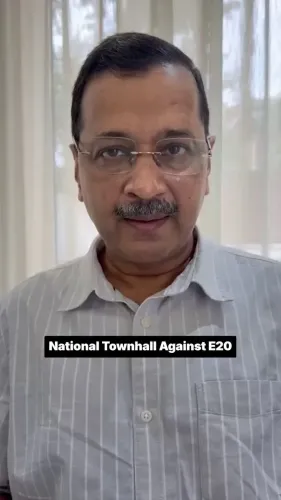
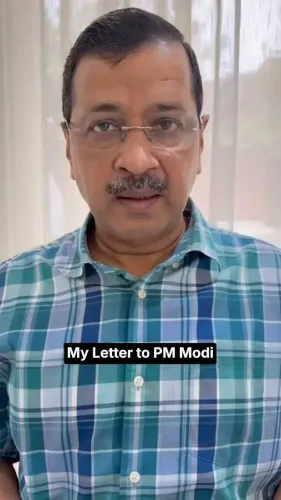
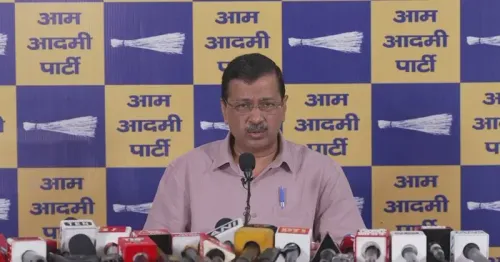
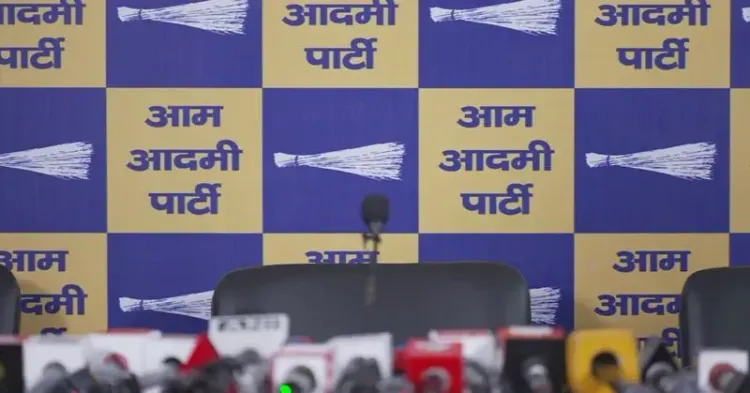
AAP convenor Arvind Kejriwal on 27 July 2026 called a live press conference to make a 'big announcement' on what he termed 'forced E20 fuel,' mounting a political challenge to the central government's mandatory 20 per cent ethanol-blending programme and raising consumer-protection concerns over its impact on vehicle owners.
Key Takeaways
Arvind Kejriwal called a live press conference on 27 July 2026 to announce a major position on the E20 ethanol-blended fuel mandate.
He characterised the policy as 'forced,' signalling AAP's stance as a consumer-protection challenge to the central government.
The National Policy on Biofuels, 2018 underpins the E20 programme; the government advanced the blending target from 2030 to 2025 .
Vehicle owners with older engines not tuned for E20 face potential mileage loss and compatibility concerns.
Sugarcane farmers and oil marketing companies are key stakeholders with contrasting interests in the policy's continuation.
Any concrete proposals from Kejriwal are expected to prompt a formal response from the Union Ministry of Road Transport and Highways .
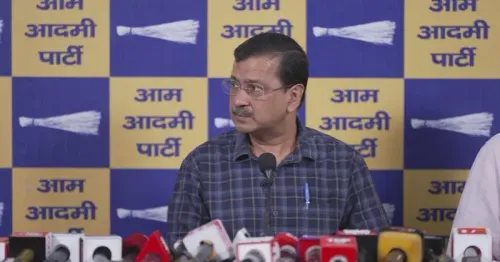
AAP convenor Arvind Kejriwal called a press conference on Monday, 27 July 2026, announcing what he described as a 'big announcement' on what he termed 'forced E20 fuel,' signalling a sharp political challenge to the central government's ethanol-blending mandate.
Context
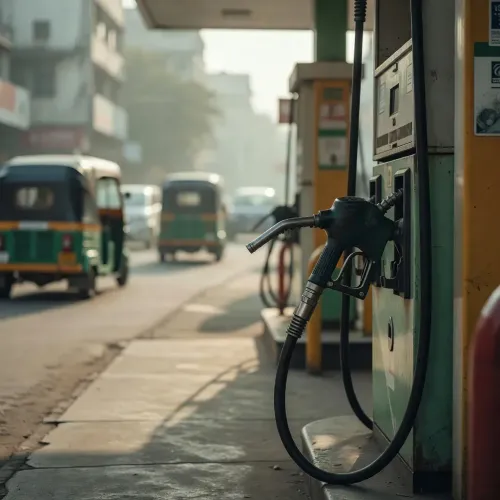
Kejriwal's announcement targets E20 fuel — petrol blended with 20 per cent ethanol — which the central government has been rolling out across retail outlets as part of its phased ethanol-blending programme. The use of the word 'forced' in his post frames the policy as one being imposed on consumers and vehicle owners without adequate choice or safeguards.
The press conference was broadcast live, suggesting the AAP leadership intended to reach a wide audience directly, bypassing conventional media formats.
Policy Backdrop
The National Policy on Biofuels, 2018, laid the legislative groundwork for progressively higher ethanol blending in petrol across India. The central government subsequently advanced its E20 target from 2030 to 2025, accelerating the rollout at petrol pumps nationwide.
Union Minister for Road Transport and Highways Nitin Gadkari has been among the most prominent advocates of the programme, citing reduced dependence on crude oil imports, support for sugarcane and maize farmers, and lower vehicular emissions as its core benefits. Oil marketing companies have been directed to expand E20 availability at retail outlets in line with these targets.
Opposition voices, including from AAP, have periodically raised concerns that higher ethanol blends can reduce mileage in older vehicles not tuned for such fuel, and that the cost of any compatibility upgrades or efficiency losses is ultimately borne by ordinary consumers.
Stakeholders and Impact
Vehicle owners — particularly those with older petrol-engine cars and two-wheelers — are at the centre of the debate, as pre-BS6-era engines were not designed to run optimally on E20. Consumer groups have flagged potential mileage loss and engine wear as areas requiring clearer government communication and redress mechanisms.
Sugarcane farmers and the sugar industry stand to benefit from expanded ethanol procurement, which provides an additional revenue stream beyond sugar sales. Oil marketing companies face logistical and infrastructure costs in blending and distributing E20 at scale, though the policy provides a structured framework for cost recovery.
Kejriwal's framing of the policy as 'forced' positions AAP as a consumer-protection voice, particularly relevant in Delhi, where the party retains a significant political base and where vehicle density is among the highest in the country.
What's Next
The specifics of Kejriwal's announcement — whether a legal challenge, a demand for policy rollback, or a consumer-awareness campaign — were to be detailed in the live press conference. Any concrete proposals are expected to draw a response from the Union Ministry of Road Transport and Highways and oil ministry officials.
Nationally, the expansion of E20 availability at retail outlets will continue to be a flashpoint as more states bring the blended fuel into mainstream supply, making the political debate around consumer choice and vehicle compatibility increasingly consequential ahead of future electoral cycles.
Point of View
Positioning AAP as the defender of ordinary vehicle owners against a technocratic central policy. The timing is notable: as E20 availability expands to more retail outlets, the policy is transitioning from a niche debate to an everyday reality for millions of petrol users, creating fertile ground for political mobilisation. AAP's framing also allows it to contest ground traditionally held by farmer-welfare narratives — by implicitly questioning whether the gains for sugarcane farmers justify the costs imposed on urban consumers. How the central government responds will signal whether it treats this as a manageable political skirmish or a pressure point requiring fresh public communication on E20's consumer safeguards.
NationPress
27 Jul 2026
Frequently Asked Questions
What is E20 fuel and why is Kejriwal opposing it?
E20 fuel is petrol blended with 20 per cent ethanol, mandated under India's National Policy on Biofuels. Kejriwal has called it 'forced,' raising concerns about its impact on older vehicles and costs borne by consumers.
Is E20 fuel harmful to older cars and two-wheelers?
Vehicles manufactured before BS6 emission norms were not optimised for E20, and some owners report reduced mileage. The government has mandated E20 compatibility in newer vehicles, but older engines may experience efficiency loss.
What is the government's target for ethanol blending in petrol?
The central government advanced its E20 blending target from 2030 to 2025, requiring petrol pumps to supply fuel with 20 per cent ethanol content as part of its energy security and agricultural support strategy.
Who benefits from the E20 ethanol blending programme?
Sugarcane and maize farmers benefit from increased ethanol procurement demand. The government also cites reduced crude oil import bills and lower vehicular emissions as national benefits.
What action is AAP likely to take against the E20 policy?
The specifics were to be detailed in Kejriwal's live press conference on 27 July 2026. Possible steps include demanding a policy review, filing a legal challenge, or launching a consumer-awareness campaign.