Kejriwal slams Modi over Trump meeting amid Indian deaths
Synopsis
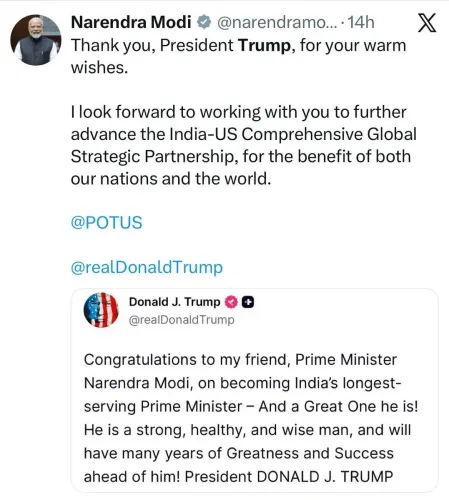
AAP convenor Arvind Kejriwal on 20 June 2026 attacked Prime Minister Modi for allegedly complimenting Donald Trump during their bilateral meeting while three Indian nationals had died under the US administration, demanding an unconditional apology from Trump.
Key Takeaways
Arvind Kejriwal publicly criticised PM Modi on 20 June 2026 over his conduct at a meeting with US President Donald Trump .
Kejriwal alleged that three innocent Indians lost their lives under Trump's administration while Modi was 'singing his praises.' He demanded that a strong Prime Minister should have sought an unconditional apology from Trump for those killings.
The specific incident and meeting details have not been officially confirmed by India's Ministry of External Affairs .
India-US relations have been a cornerstone of Modi's foreign policy since 2014 , involving multiple high-level summits and defence agreements.
The post is expected to intensify opposition pressure for a government statement on the safety of Indian nationals in the United States .
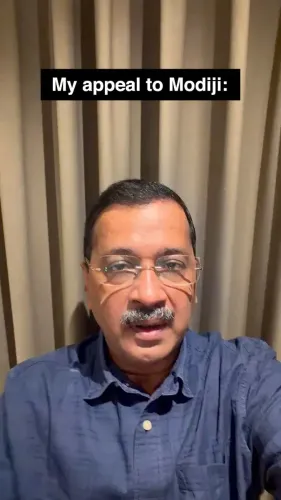
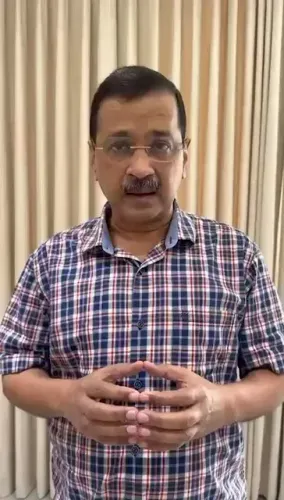
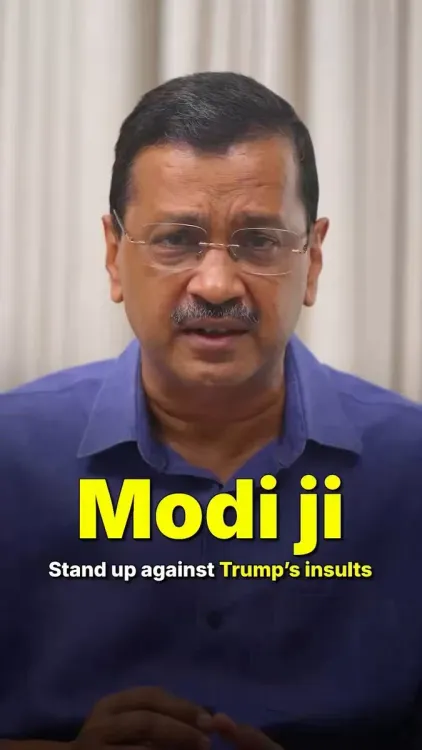
AAP convenor Arvind Kejriwal on Saturday, 20 June 2026, sharply criticised Prime Minister Narendra Modi over his conduct during a meeting with US President Donald Trump, alleging that Modi offered compliments to Trump even as three Indian nationals had lost their lives under the American administration's watch. Kejriwal argued that a strong Prime Minister would have demanded an unconditional apology for those killings instead.
Context
Kejriwal's post stated: 'While three innocent Indians lost their lives under Trump's watch, Modiji was busy singing his praises in their meeting. A strong PM would have stood up for India and demanded an unconditional apology from Trump for those killings — not offered compliments.' The remark directly targets what the opposition has long described as a gap between Modi's assertive domestic image and his actual diplomatic posture when Indian lives are at stake abroad.
The specific incident involving the deaths of three Indian nationals referenced in the post, and the precise details of the Modi-Trump meeting in question, are currently under scrutiny. No official statement has been issued by India's Ministry of External Affairs at the time of publication.
Policy Backdrop
India-US relations have been a defining feature of Modi's foreign policy since 2014, marked by high-profile summits, defence agreements, and large public events including the 'Howdy Modi' rally in Houston in September 2019 and Trump's state visit to Ahmedabad and Delhi in February 2020. The bilateral relationship has expanded across trade, technology, and strategic cooperation.
However, successive Indian governments have faced domestic political pressure over the treatment of Indian nationals in the United States, particularly around immigration enforcement, deportations, and incidents involving Indian citizens. Opposition parties have consistently used such episodes to question whether the government prioritises diplomatic optics over the welfare of its citizens abroad.
Stakeholders and Impact
The sharpest impact of Kejriwal's criticism is felt by the Indian diaspora in the United States, a community that closely watches both bilateral relations and the Indian government's responsiveness to crises affecting its members. Any perception that New Delhi downplays the deaths of Indian nationals for the sake of diplomatic goodwill carries significant political weight domestically.
For the BJP-led central government, the charge poses a reputational challenge: it must balance the strategic imperatives of the India-US partnership against the expectation, especially from opposition voices, that the Prime Minister will publicly and firmly advocate for Indian nationals' safety on the world stage.
What's Next
Attention will now turn to whether India's Ministry of External Affairs issues a formal response addressing the deaths of the three Indian nationals and the diplomatic exchanges during the Modi-Trump meeting. The next scheduled India-US 2+2 Ministerial Dialogue will also be closely watched for any signals on how New Delhi intends to raise concerns about the safety of Indian citizens in the United States.
Kejriwal's post is likely to intensify opposition pressure in Parliament and on the campaign trail, with AAP and other parties expected to demand a government statement on the matter in the coming days.
Point of View
He shifts the debate from strategic partnership to consular duty of care — a frame that resonates strongly with the diaspora and with voters who equate national pride with visible, vocal advocacy. The charge that Modi prioritised optics over accountability fits into a broader AAP narrative that the BJP projects strength domestically but defers abroad. Whether the attack lands will depend heavily on what official details emerge about both the deaths and the actual content of the Modi-Trump talks.
NationPress
18 Sept 2026
Frequently Asked Questions
What did Kejriwal say about Modi's meeting with Trump?
Kejriwal alleged that PM Modi was 'singing the praises' of US President Donald Trump during their bilateral meeting even as three Indian nationals had died under the Trump administration, and argued that a strong Prime Minister would have demanded an unconditional apology instead.
Which three Indians died under Trump's watch according to Kejriwal?
Kejriwal's post refers to three innocent Indians who lost their lives under the Trump administration, but the specific identities and incident details have not been officially confirmed by India's Ministry of External Affairs at the time of this report.
Has the Indian government responded to Kejriwal's criticism?
No official response from India's Ministry of External Affairs or the ruling BJP had been issued at the time of publication on 20 June 2026.
What is AAP's position on India-US relations?
The Aam Aadmi Party does not oppose India-US engagement in principle, but its leaders, including Kejriwal, have repeatedly argued that the Modi government prioritises diplomatic optics and personal rapport with foreign leaders over firm advocacy for Indian citizens' rights and safety abroad.
What happens next after Kejriwal's post on Modi and Trump?
Political observers expect opposition parties to press the central government for a formal statement in Parliament on the deaths of the three Indian nationals and on what was raised during the Modi-Trump meeting. The next India-US 2+2 Ministerial Dialogue will also be closely watched.