Kejriwal Says His Children Marched to Parliament in Protest
Synopsis
AAP convenor Arvind Kejriwal disclosed on 21 July 2026 that his two children joined a student march to Parliament the previous day and were present at the site where police fired tear gas shells, intensifying political scrutiny of the crowd-control response during Parliament's monsoon session.
Key Takeaways
Kejriwal posted on 21 July 2026 that both his children participated in the 20 July student protest march toward Parliament in New Delhi.
He stated his children were present at the exact location where tear gas shells were deployed by police.
The march took place during the monsoon session of Parliament , when opposition and street politics are running simultaneously.
Delhi Police , which reports to the Ministry of Home Affairs , has not yet issued a public response to the tear gas allegations.
AAP has historically framed police responses to protests near Parliament as evidence of the central government's approach to dissent.
Opposition parties are expected to raise the matter on the floor of Parliament in the coming days.
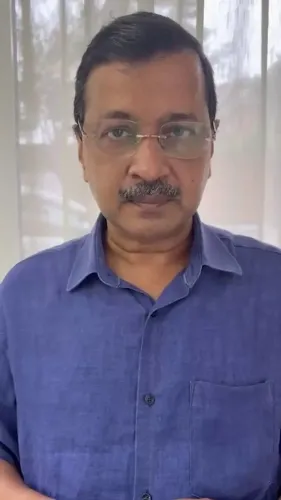
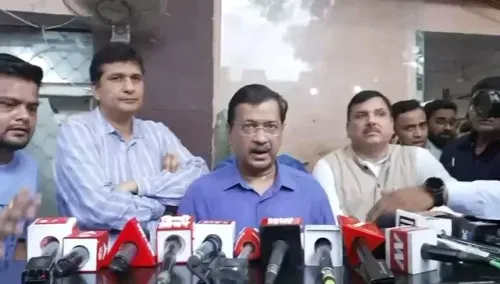
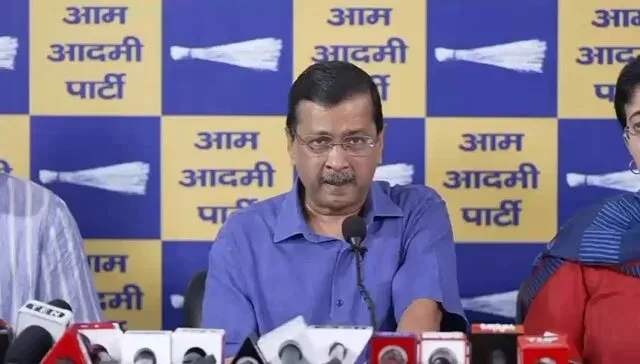
AAP convenor Arvind Kejriwal on Tuesday, 21 July 2026, revealed that his two children participated in the previous day's student protest march toward Parliament in New Delhi, disclosing that they were present at the location where police deployed tear gas shells.
In a post on X, Kejriwal wrote in Hindi: 'कल के प्रोटेस्ट में मेरे दोनों बच्चे सभी छात्रों के साथ कदम से कदम मिला कर संसद मार्च कर रहे थे।' ('In yesterday's protest, both my children marched step by step with all the students toward Parliament.') He added that the spot where tear gas shells were fired was precisely where his children were standing.
Context
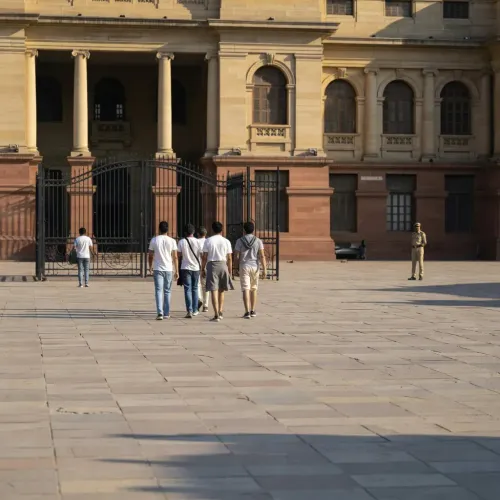
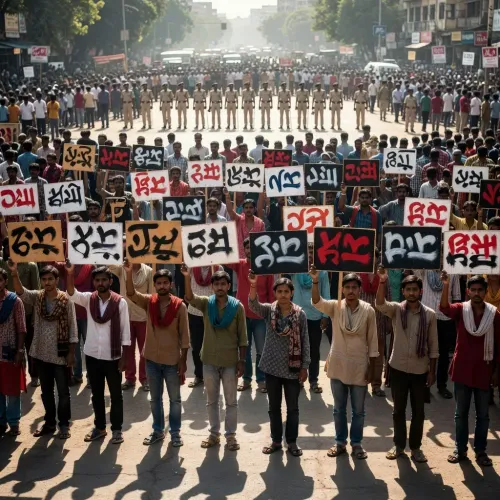
The disclosure places Kejriwal's personal family squarely within a student-led demonstration that took place on 20 July 2026 near Parliament Street, New Delhi. The march was part of a broader wave of student mobilisation that has drawn large numbers of young people to the capital during the ongoing monsoon session of Parliament.
Police use of tear gas to manage the crowd prompted immediate political reaction. Kejriwal's post, which accompanied a video, underscored the personal dimension of his response by identifying his own children among those exposed to the crowd-control measure.
Policy Backdrop
Student marches toward Parliament have a documented history in Indian politics. During 2019–2020, large-scale demonstrations against the Citizenship Amendment Act saw similar scenes near the Parliament complex, with police deploying tear gas and other crowd-control tools. Opposition parties, including AAP, have consistently framed such responses as evidence of the central government's approach to managing dissent.
AAP, founded in 2012, built much of its early identity around street-level protest and anti-establishment activism. Kejriwal himself rose to national prominence through protest politics before entering electoral contests. His willingness to invoke his children's participation signals an effort to connect the current agitation to that foundational identity.
Stakeholders and Impact
University and college students form the core constituency of the march. Their grievances — which the post does not specify — have drawn solidarity from opposition parties during a session of Parliament when legislative business and street politics are running in parallel.
The use of tear gas, if confirmed by authorities or independent accounts, is likely to intensify demands for accountability directed at Delhi Police, which operates under the jurisdiction of the Ministry of Home Affairs. Civil liberties groups and student unions are expected to amplify Kejriwal's account in the coming days.
What's Next
Attention will now turn to whether Delhi Police or the Ministry of Home Affairs issues a formal response to the allegations regarding tear gas deployment. Opposition parties may raise the matter inside Parliament during the monsoon session, converting street protest into floor debate.
Kejriwal's post is likely to be followed by further statements from AAP leaders as the party seeks to sustain public attention on the protest and its aftermath. How the ruling dispensation responds — or declines to respond — will shape the political temperature around the student movement in the days ahead.
Point of View
Designed to humanise the student agitation and raise its emotional stakes. It follows a well-worn opposition playbook of personalising state action to sharpen accountability claims — but the invocation of family rather than party colleagues gives it unusual resonance. The move also reinforces AAP's foundational identity as a protest-born party at a moment when it needs to reclaim street credibility. Whether it translates into sustained legislative pressure or fades as a social-media moment will depend on how quickly Delhi Police and the Home Ministry respond — or stay silent.
NationPress
21 Jul 2026
Frequently Asked Questions
Why did Arvind Kejriwal post about his children at the Parliament protest?
Kejriwal disclosed that his two children marched with students toward Parliament on 20 July 2026 and were present when police fired tear gas, using the personal detail to draw attention to the crowd-control response during the student demonstration.
What happened at the student protest near Parliament on 20 July 2026?
Students marched toward Parliament in New Delhi on 20 July 2026; according to Kejriwal's post, police deployed tear gas shells at the site, and he says his children were among those present at that location.
Who controls Delhi Police and who is responsible for the tear gas response?
Delhi Police operates under the jurisdiction of the Ministry of Home Affairs of the Government of India, making the central government the primary authority accountable for policing decisions in the capital.
Has AAP been involved in student protests before?
Yes. AAP, founded in 2012, emerged from protest politics and has historically supported and participated in student-led demonstrations, including marches toward Parliament during the 2019–2020 agitation against the Citizenship Amendment Act.
What could happen next after Kejriwal's post about the protest?
Opposition parties are likely to raise the tear gas deployment inside Parliament during the monsoon session; Delhi Police or the Ministry of Home Affairs may issue a response, and AAP leaders are expected to make further statements to keep the issue in public focus.